Migrate from WordPress to Astro in Gdańsk
Many businesses in Gdańsk run WordPress but face performance ceilings, security overhead, and rising hosting costs. Astro solves these with static HTML output, zero JavaScript by default, and edge deployment. I migrate existing WordPress sites to Astro with full SEO preservation, URL mapping, and 301 redirects.
- PageSpeed 95-100
Static HTML with zero JavaScript. Faster than any WordPress solution.
- SEO-safe migration
URL mapping, 301 redirects, Google rankings preserved.
- Cloudflare Pages hosting
Global CDN, free SSL, instant deployments. Hosting costs near zero.
Gdańsk faces the Baltic as the largest city of the Polish Tricity with Gdynia and Sopot. Port logistics, maritime suppliers, offshore energy, and business-services firms that serve Nordic parent companies all need public websites that load quickly on mobile connections and stay legible in Polish and English. I am Mariusz Szatkowski, an independent developer working from Gdynia next door. I build Astro 7 sites for Gdańsk organisations, implement layouts your designer supplies, and say in writing when a simpler WordPress path is cheaper for you.
When a Gdańsk company site fits Astro
Astro renders most of the page to HTML at build time. The islands architecture keeps JavaScript off the critical path unless you mark a component with a client:* directive. A freight inquiry form or tariff calculator can load with client:idle while the rest of the route ships as static markup.
That pattern matters in Gdańsk for three recurring briefs. First, marketing pages and certification PDFs that procurement teams read on phones inside terminals. Second, WordPress installs that accumulated plugins until every update feels risky. Third, product teams that already run React internally but want marketing routes without shipping a full SPA shell. If none of those sounds like you, I start by checking whether maintained WordPress is enough.
I measure performance against the thresholds published on web.dev: Largest Contentful Paint up to 2.5 s, Interaction to Next Paint up to 200 ms, and Cumulative Layout Shift up to 0.1. I do not promise a lab score, because your images, fonts, and third-party tags decide the final numbers.
What Astro 7 changed for maintainers
The project in this repository tracks Astro 7.x. The upgrade guide lists behavioural changes that affect real migrations: the .astro compiler is stricter about unclosed tags, whitespace between inline elements follows JSX rules, and the default Markdown pipeline moved to Sätteri with an optional unified processor for remark and rehype plugins you already rely on. Before I quote, I list which integrations from your current stack have documented Astro 7 support and which need replacements.
Gdańsk market context for a public website
InvestGDA, the city’s investment agency, names priority sectors that show up constantly in inbound briefs: advanced manufacturing, offshore and maritime energy, life sciences, and defence-linked technologies. Their investment-land catalog ties each plot to distance from Lech Wałęsa Airport, the Port of Gdańsk, the S6 bypass, and rail links. A site that serves those buyers should surface technical datasheets, location maps, and compliance documents in clean HTML that search engines and procurement portals can parse without running application JavaScript.
The Amber Coast office cluster around Olivia Business Centre and the Alchemia building in Gdańsk Wrzeszcz concentrates software, finance, and shared-services teams. When I estimate handover risk, I look at whether a local developer can open the repository and deploy a preview: those buildings are where many Tri-city squads already work in TypeScript and Git.
Intel’s European development centre in Gdańsk and graduates from Gdańsk University of Technology keep English-language engineering norms high. Maritime and offshore suppliers often need an English service lane for Scandinavian shipowners while Polish pages stay canonical for domestic tenders. Astro’s built-in i18n routing keeps locale directories aligned so hreflang tags stay reciprocal.

Photo: Ewaku, CC BY-SA 3.0, Wikimedia Commons.
The university’s Biznes Hub supports spin-outs that need readable technology pages maintained by non-developers. For those teams I often propose WordPress as the editorial backend and Astro as the public renderer so researchers publish in a familiar panel while visitors receive static pages.
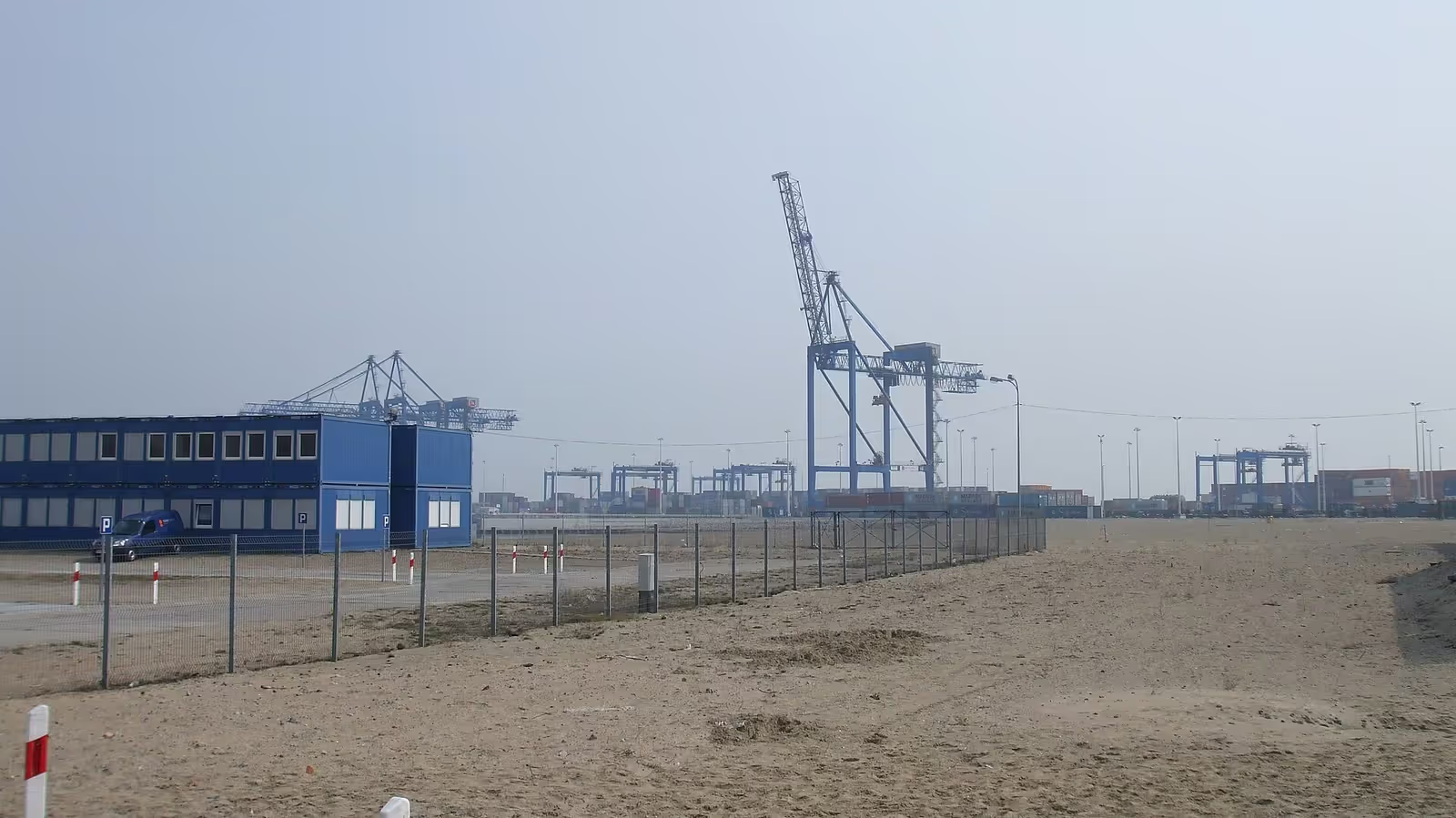
Photo: Cezary p, GFDL, Wikimedia Commons.
Port-facing companies publish sailing schedules, gate hours, and incident notices. Copy-pasted tables go stale; a content collection with validated fields for voyage number, berth, and cut-off time stops empty cells reaching production because the build fails instead.
The WordUp Trójmiasto meetup remains a practical place to ask who already shipped Astro or headless WordPress locally. It does not replace a contract, but it sets the vocabulary teams use when they compare vendors.
WordPress as the panel, Astro as the public site
The WordPress CMS guide documents REST access at /wp-json/wp/v2/ and optional GraphQL via WPGraphQL. Public fields such as title.rendered land in layouts through set:html, and dynamic slugs are generated inside getStaticPaths().
The workflow looks like this:
- Editors draft and approve inside WordPress.
- A webhook or scheduled job starts an Astro build.
- Static files deploy to edge hosting; PHP never runs on visitor requests.
- The WordPress admin URL can be restricted to office IPs or SSO.
The trade-off is honest: live preview before publish needs extra tooling, and plugins that own checkout, memberships, or calendars usually stay on monolithic WordPress unless you rebuild those flows. I describe which plugin functions move and which stay in the brief. More background lives on the headless CMS developer service page.
When I recommend classic WordPress instead
I steer clients away from Astro when:
- editors publish several times per week and expect one-click preview,
- core revenue flows through WooCommerce plugins you cannot replicate quickly,
- nobody will own a Git repository and CI pipeline,
- the site has only a handful of pages with rare edits,
- the real bottleneck is content volume, not front-end weight.
In those cases a lean block theme, few plugins, and disciplined caching beat a migration. See WordPress maintenance in Gdańsk for ongoing care, or the WordPress developer in Gdańsk page when custom PHP is the actual need. Application-shaped products with heavy client state may fit Next.js development in Gdańsk better than Astro.
Layout and assets come from your side
I implement; I do not art-direct. Useful design hand-offs include mobile breakpoints, form error states, empty lists, and font licensing notes. Missing states often extend the calendar more than the Astro implementation itself. I map your Figma or spreadsheet into Tailwind-based components and verify at real device widths.
Polish legal requirements on a company website
I cite consolidated acts from the ISAP Sejm database.
| Topic | Legal basis | What I implement on the Astro side |
|---|---|---|
| Provider identity | Art. 5(1)-(2), Act on providing electronic services (Journal of Laws 2024 item 1513) | Footer or contact route reachable from every page with company name, registered address, and electronic contact points |
| Cookies and similar storage | Art. 399, Electronic Communications Act (Journal of Laws 2024 item 1221) | No non-essential script executes before consent; static HTML keeps working when analytics stay blocked |
| Accessibility of services to consumers | Act of 26 April 2024 (Journal of Laws 2024 item 731), in force from 28 June 2025 | Semantic headings, labels, focus order, and text alternatives; scope confirmation stays with your lawyer |
| Personal data | GDPR with UODO as supervisory authority | Form fields, consent checkboxes, and retention rules as your DPO specifies |
The public gdansk.pl portal links accessibility statements and open-government information in its footer. Private firms follow different statutes, yet procurement readers expect similar clarity on contact data and document access.
NIS2 and maritime clients
Directive (EU) 2022/2555 (NIS2) pushes more logistics, transport, and digital-service suppliers toward documented cybersecurity practices. A marketing site is rarely the audited system, yet it still needs patch discipline, access control on the CMS, and logging when it connects to partner extranets. I record those boundaries in the handover so your security team knows which repository they own.
How a project runs with me
Everything stays remote and in writing.
- Enquiry. You send the current URL, business goal, deadline, and CMS details.
- Written scope. I list deliverables, exclusions, assumptions, and what you must supply.
- Staging. Preview URLs carry each milestone; feedback arrives in one written thread per stage.
- Acceptance. We walk through criteria from the scope: vitals measurements, structured data checks, redirect maps.
- Launch. DNS moves, Search Console monitors crawl errors, documentation lands in the repository.
- Optional care. Dependency updates and small fixes continue on a separate written agreement.
Scope grows only after you accept a revised quote in writing. A “small extra” without a quote is still a scope change.
Decision table before you order
| Question | If yes | If no |
|---|---|---|
| Editors publish multiple times per week? | Stay on WordPress or plan headless with preview tooling | Astro static build |
| Revenue depends on WordPress-only plugins? | Monolithic WordPress | Astro front end |
| You have finished design files? | Implementation starts | Fill the layout spreadsheet first |
| You need Polish and English content? | One content schema for both locales | Simpler single-language routing |
| Marketing tags and heatmaps are mandatory? | Consent layer before load | Fewer third-party scripts to gate |
Technology choices on Gdańsk builds
| Layer | Typical choice | Notes |
|---|---|---|
| Framework | Astro 7 with TypeScript | Matches the version gate in this monorepo |
| Styling | Tailwind CSS 4 | Utility tokens from your design file |
| Content | MDX collections or WordPress pull | Zod schemas catch missing certification fields |
| Hosting | Cloudflare Pages or similar static edge | No server to patch for anonymous traffic |
| CI | GitHub Actions | Preview branch per pull request |
Interactive widgets use islands in the framework your squad already knows: React, Svelte, or Vue. The surrounding document stays HTML.
Content collections for certificates and safety data
Maritime and industrial clients export PDF datasheets alongside HTML summaries. In Astro I model each product family as a collection entry with required fields for hazard class, last review date, and download URL. A missing field fails the build, which is preferable to a blank row on a page a harbour inspector bookmarked. When a PDF updates, editors change one YAML or CMS field; the next build refreshes both the download link and the structured data snippet.
For bilingual tender pages I keep Polish and English siblings tied by a shared translation key. Each locale gets its own slug, but the build step verifies that every key has both files before deploy. That catches the common failure mode where the English page lags after a Polish pricing change.
Migrations away from overloaded WordPress themes
When the inbound site is WordPress, the migration inventory starts with a URL list from Screaming Frog or Search Console, a plugin audit, and a Lighthouse trace on a throttled mobile profile. I map shortcodes and page-builder sections to Astro components, move media into versioned folders, and programme edge redirects before DNS moves. Structured data that lived in a SEO plugin is rebuilt from typed front matter so you are not locked to a single vendor for JSON-LD.
I document which forms still need WordPress endpoints and which can become Astro Actions posting to your CRM. Gravity Forms or WPForms can keep their rule engine in the admin while the marketing shell is static; only the POST handler stays dynamic, often on Cloudflare Workers. That split avoids retyping a decade of conditional logic in one sprint.
Plain-language comparison for procurement readers
| Dimension | Heavy WordPress theme | Astro with optional WordPress CMS |
|---|---|---|
| Visitor JavaScript | Theme bundles and plugin hooks on every view | Zero by default on content routes |
| Preview before publish | Native in admin | Requires staging build or preview URL |
| Plugin-driven booking | Often quickest | Usually rebuilt or embedded |
| Security surface on read path | PHP and database on each hit | Static files at the edge |
| Handover for Tri-city hires | Familiar to agency market | Needs Git literacy documented in README |
Procurement teams in Olivia or Alchemia often ask for this table in the proposal appendix. I include it in the written scope so legal and IT reviewers sign once, not after a surprise workshop.
Write to me
If you run a company in Gdańsk and wonder whether Astro, headless WordPress, or tuned classic WordPress matches your plan, use the contact form. Send the site address, objective, deadline, and current stack. Expect a written reply on weekdays in Central European Time. If Astro is not the economical choice, I will say so directly rather than sell a migration you do not need.
Selected projects
Examples of my work.
E-commerce Development: terazjemy.pl
Terazjemy.pl is an online platform designed to promote a healthy lifestyle by providing users with practical information, recipes, and tips on balanced nutri...
E-commerce Development: VECTOR GROUP
The project for VECTOR Group, a dynamically growing technology consortium operating on global markets in the field of access network infrastructure and data ...
E-commerce Development: VECTOR SMART DATA
Vectorsmartdata.net is a website created for VECTOR Group, a provider of advanced telemetry solutions enabling real-time data monitoring and management. As ...
WordPress support & development in Gdańsk
Need this service: Astro developer in Gdańsk?
Describe your project by e-mail. I reply within 48 hours.
Describe your projectExplore other WordPress services and knowledge base
Migration to Astro, Next.js, and headless WordPress.
WooCommerce sync with ERP and wholesale systems.
Business process automation around WordPress and company systems.
Library of concrete automation use cases.
Headless WordPress, Sanity, Strapi, and Contentful with Astro or Next.js.
Astro, MDX, edge delivery, and Core Web Vitals measured on real traffic.
Custom WordPress engineering and architecture.
Scalable headless, ERP, and AI architecture for enterprise.
Related categories
Supporting articles
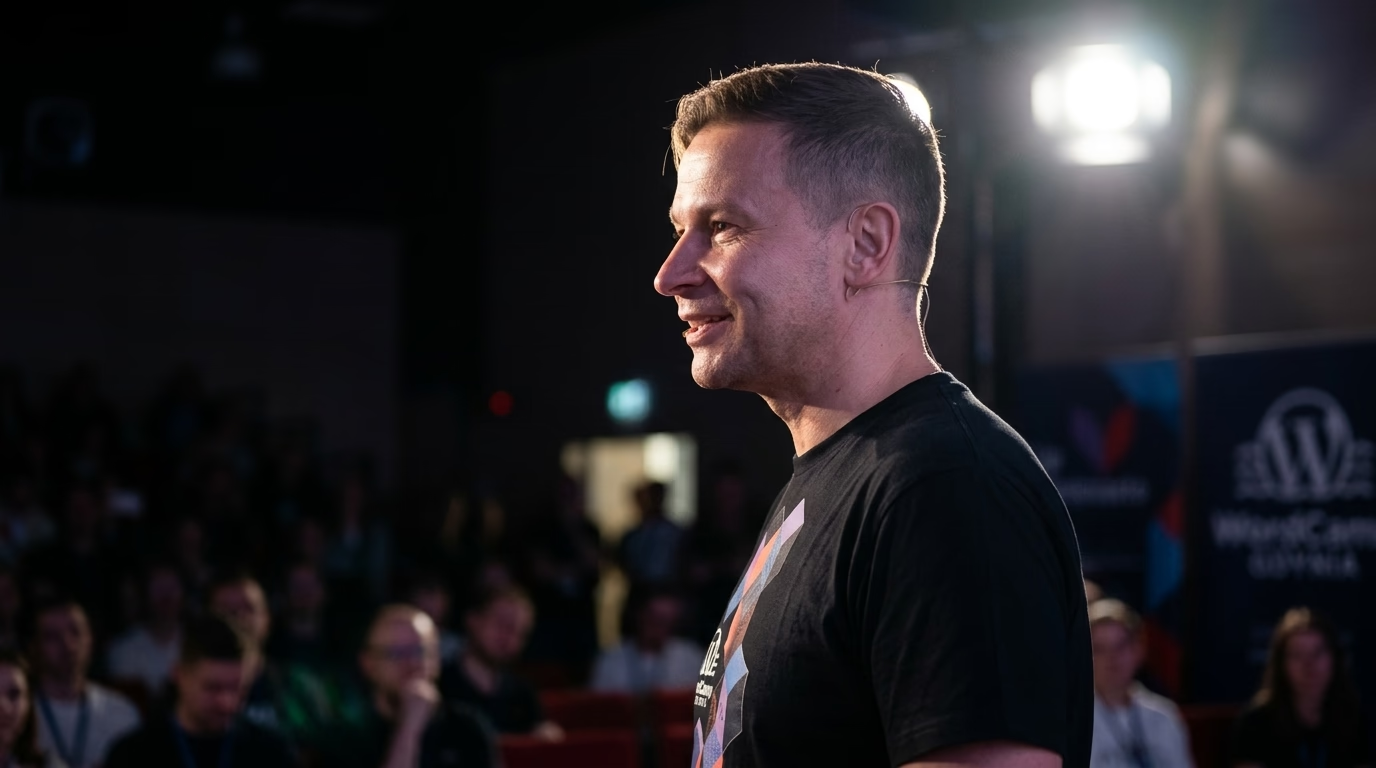
Six to sixteen weeks for typical engagements, with a four-phase shape: discovery, scoping, build and cutover, tuning. The variables are catalogue size, integration count, URL preservation, and editorial team readiness, not framework choice.
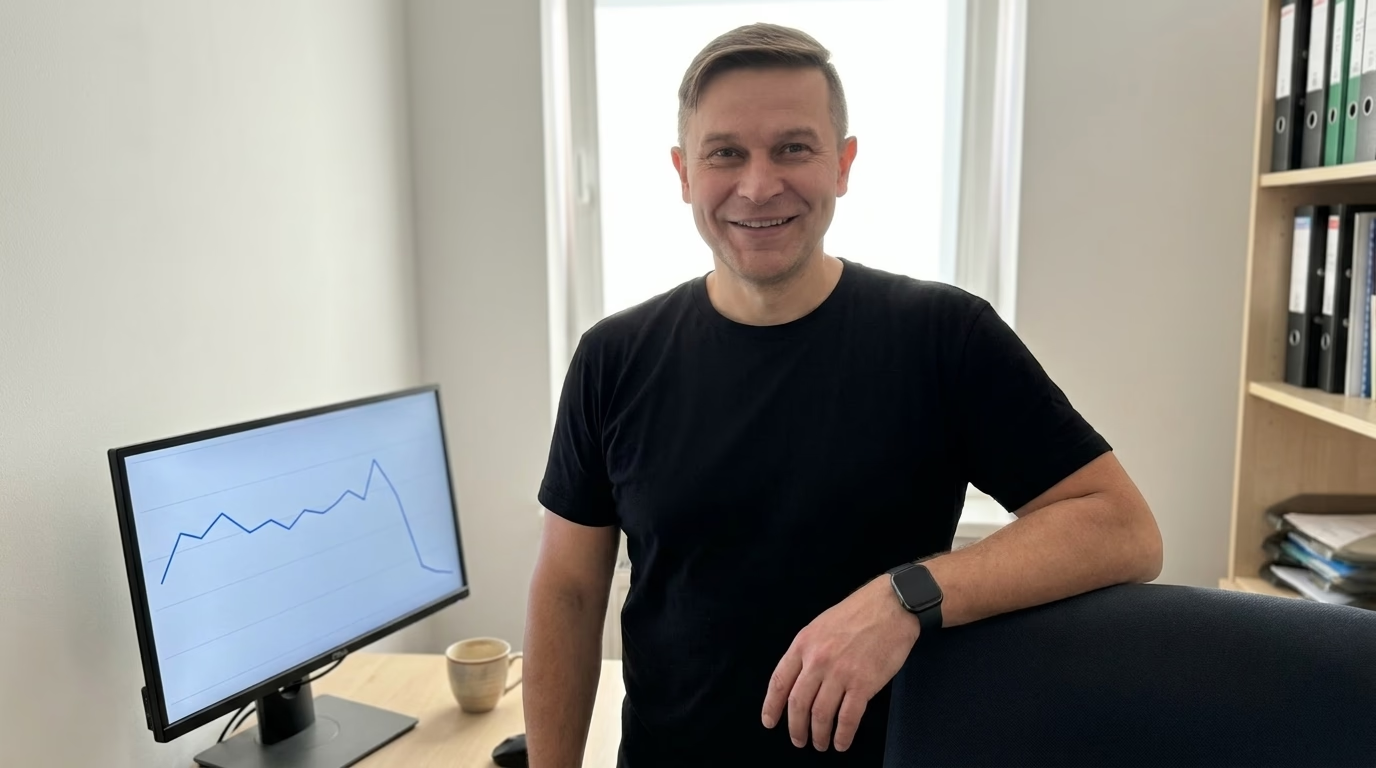
A definitive 4-year Total Cost of Ownership (TCO) analysis, real-world Core Web Vitals benchmarks, Astro 7 GraphQL APQ architecture, and a 10-point executive decision matrix for choosing between decoupled and traditional WordPress.
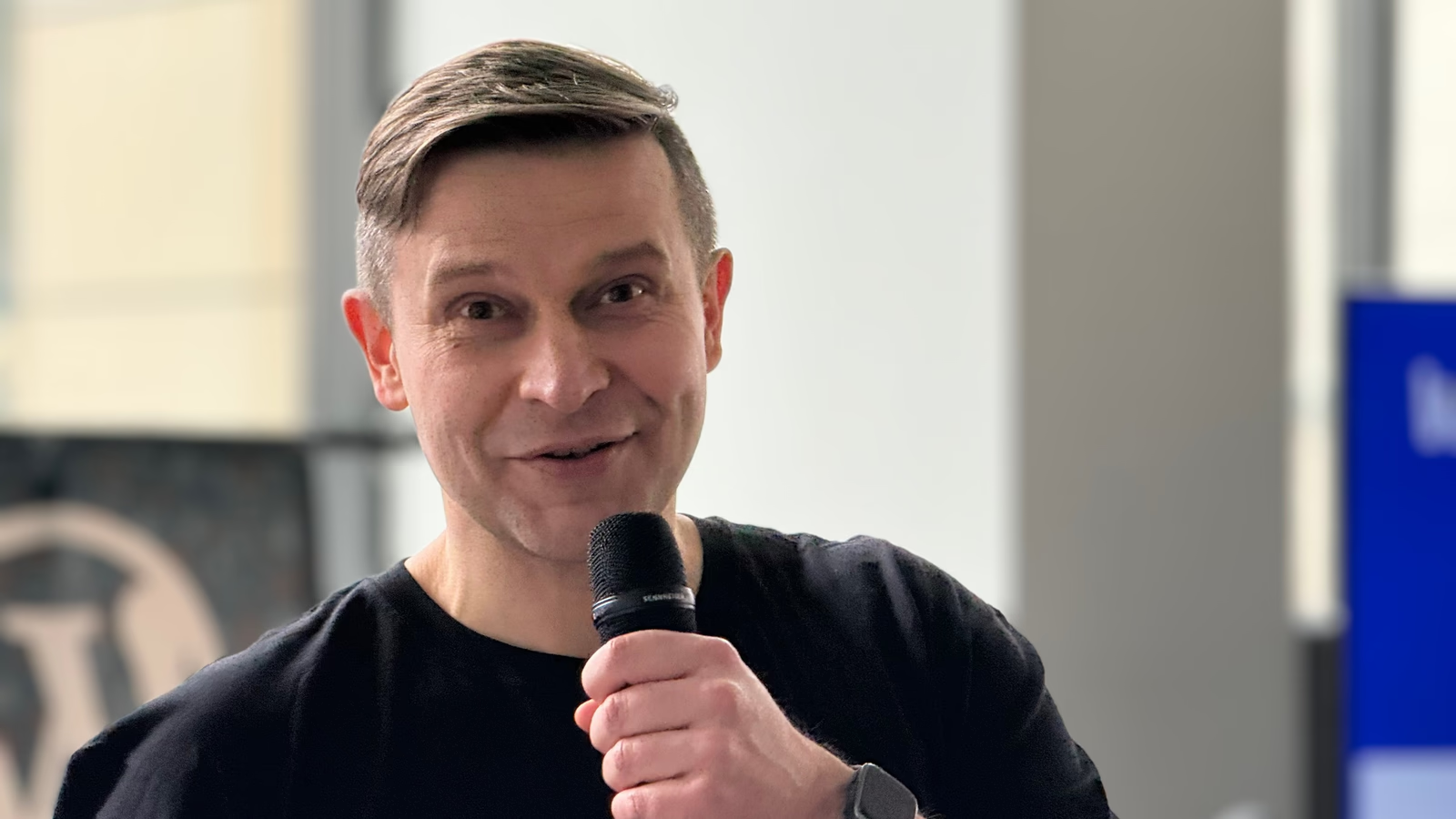
The Shopify Plus vs WooCommerce headless decision in 2026 is no longer a binary "platform vs custom" trade-off. Both can run headless, both integrate AI, both ship at the edge. The real axes are control, total cost over five years, and exit strategy. This article walks the matrix with confirmed platform facts.