Migrate from WordPress to Astro in Poznań
Many businesses in Poznań run WordPress but face performance ceilings, security overhead, and rising hosting costs. Astro solves these with static HTML output, zero JavaScript by default, and edge deployment. I migrate existing WordPress sites to Astro with full SEO preservation, URL mapping, and 301 redirects.
- PageSpeed 95-100
Static HTML with zero JavaScript. Faster than any WordPress solution.
- SEO-safe migration
URL mapping, 301 redirects, Google rankings preserved.
- Cloudflare Pages hosting
Global CDN, free SSL, instant deployments. Hosting costs near zero.
Why choose an Astro developer in Poznań?
Poznań sits where heavy industry, parcel networks, and trade-fair marketing overlap. Międzynarodowe Targi Poznańskie (MTP) still sets the commercial calendar for much of Wielkopolska: food buyers plane in for Polagra, factory engineers bookmark ITM Industry, and construction teams refresh collateral before Budma. Those cycles punish slow exhibitor sites more than a year-round SaaS homepage does. Astro ships mostly HTML, hydrates only the pieces that need a form or a configurator, and keeps Lighthouse scores stable when marketing drops another PDF catalog the week before setup day.
The A2 motorway stitches Berlin, Poznań, and Warsaw into one freight narrative. Logistics software vendors, cold-chain operators, and shared service centres along that corridor sell to German and Benelux buyers who open vendor pages on phones in lay-bys. Core Web Vitals are not vanity metrics there; they are how a procurement lead decides whether your spec sheet is trustworthy before the next rest stop. I build Astro front ends so product and compliance copy stays readable under those conditions.
Wielkopolska also retains dense manufacturing and food processing outside the city ring. Plants near Gniezno, Konin, and Kalisz often run marketing through Poznań agencies or in-house teams clustered around the Malta office belt. When those teams move off WordPress multisite stacks that grew one fair at a time, they need migration discipline more than another page-builder theme.
What Astro changes for fair-heavy B2B sites
Exhibitor websites repeat the same failure mode: dozens of plugins, timed campaign landings, and analytics snippets added by different agencies each autumn. PHP renders every request, database latency spikes during preview week, and nobody knows which consent banner version is live. Astro separates build time from browse time. Markdown or headless entries compile to static HTML, campaign paths deploy as keyed releases, and you can freeze a build tag that matches the stand number on the hall plan.
Island architecture matters when only the sample-request form needs JavaScript. The hall map, the PDF list, and the personnel page stay inert HTML. Google sees clean headings, assistants see stable facts, and your stand staff are not troubleshooting a blank contact widget on opening morning.
Performance compared with WordPress and Next.js on Poznań briefs
WordPress remains the default CMS in many Poznań agencies, and it can be the right editorial layer behind Astro. The public problem is usually the theme layer: render-blocking assets, tag-manager waterfalls, and image carousels that never got width and height attributes. Next.js fits authenticated portals; it is heavier than necessary for a multilingual brochure site refreshed twice a year. Astro keeps React or Vue where interactivity belongs and removes the client runtime everywhere else.
For Poznań clients this typically shows up as faster LCP on product grids, lower hosting bills on edge static hosting, and fewer emergency calls when UODO-related cookie audits ask for a precise script inventory.
Who in Greater Poland books Astro delivery?
The buyer profile is rarely a consumer app startup alone. More often it is a combination of the following shapes.
Manufacturers and exporters use Astro for technical libraries: datasheets, certificates, spare-part lookups. Content editors want WordPress or a headless CMS; public visitors need speed and downloadable PDFs without waiting for admin AJAX.
Logistics and supply-chain SaaS teams along the A2 hire for marketing sites separate from the authenticated app. Marketing wants freshness; engineering does not want marketing deploys on the production API cluster. Astro on Cloudflare Pages with GitHub Actions previews gives marketing a safe lane.
Agencies preparing MTP clients ask for subcontracted Astro slices: one pavilion microsite, one English mirror, one accessibility pass before the organizer deadline. Clear boundaries and NDAs matter because hall designs leak early.
Software houses embedding into a client’s repo need senior front-end judgement on content collections, schema, and redirect maps. The agency keeps the client relationship; I ship the module and the deployment checklist.
Universities and research spin-offs around Adam Mickiewicz University and Poznań University of Technology publish grant reporting sites that must stay readable for years. Static Astro archives age better than unmaintained WordPress installs.
Editorial workflows that survive fair season
Option one keeps WordPress as the CMS and uses Astro as the public renderer via REST or WPGraphQL at build time. Fair teams keep familiar admin screens; visitors get static speed. Option two moves long-lived content into Sanity, Storyblok, or Payload when the editorial team is ready to leave page builders. I map the choice to how many people touch content between January and Polagra setup week, not to framework fashion.
Compliance surfaces Polish buyers put in the brief
Poland implements the GDPR as RODO. The President of the Personal Data Protection Office (Prezes UODO) publishes enforcement priorities and guidance at uodo.gov.pl. Marketing sites need a defensible story for forms, analytics, recruitment pages, and newsletter sign-ups: what is collected, why, how long it is kept, and which processors receive exports. Astro does not solve law, but static pages make it easier to version privacy copy and tie each deploy to a Git commit when legal asks what was live on a given fair day.
Consumer-facing clauses fall under the Act on Consumer Rights (Ustawa o prawach konsumenta), available in the Internet System of Acts and Regulations (ISAP) at isap.sejm.gov.pl. Distance contracts, pre-contract information, and complaint channels belong in plain language pages, not buried in PDF footers. When a Wielkopolska producer sells D2C across the EU, those pages need stable URLs and working anchors.
Unfair commercial practices and comparative advertising draw attention from the President of the Office of Competition and Consumer Protection (UOKiK). I do not provide legal opinions, but I structure landing pages so mandatory disclosures stay visible, claim-heavy blocks carry review comments in CMS drafts, and A/B tests cannot silently swap regulated text without a build step someone can audit.
Cookie and tracker inventories increasingly show up in security questionnaires from German partners. Tag managers that load unknown third parties are a common finding. I help teams reduce optional scripts, document what remains, and wire consent defaults that match what their DPO last approved.
Structured data and AI visibility for local queries
Schema markup is part of compliance storytelling, not a trick. LocalBusiness and ProfessionalService entities should match Google Business Profile data for offices near Poznań Główny or the MTP campuses. FAQ blocks belong only where answers are maintained. I avoid spammy speakable patterns; the frontmatter on this page follows project conventions, but body copy stays conservative.
GEO work for Poznań means pages that answer how buyers phrase hall logistics (“sample pickup Gate 3”, “service technician Śrem”) without keyword stuffing. Clean HTML helps Perplexity and Gemini cite you; hallucination-friendly superlatives do not.
Services shaped around Wielkopolska timelines
Business sites and pavilion microsites
Corporate sites and one-off pavilion domains built with Astro and Tailwind CSS. Targets are mobile PageSpeed scores in the high nineties, sub-second LCP on fair-week traffic, and layouts that work on 320px screens in crowded halls. Open Graph and Twitter cards are tuned so link previews look intentional when partners share stand invites.
Blogs and technical libraries
Content collections hold long-lived articles, case studies, and norm references. Automatic sitemaps, RSS, and internal linking patterns support topical authority for machinery, food safety, and logistics keywords without spinning up a database for every page view.
Migration from WordPress, Webflow, or Next.js
Fair sites accumulate URL oddities: campaign folders, /en/ duplicates, retired PDF paths hot-linked from old emails. I inventory URLs in Search Console, map 301 redirects on the edge, migrate schema, and capture Lighthouse baselines before cutover. Plugin-specific shortcodes become components or plain Markdown. The goal is to keep equity built during past MTP cycles.
E-commerce façades with Shopify or Stripe
Catalog fronts can stay static while checkout lives in Shopify Storefront API islands or Stripe payment links. Useful when a Poznań brand sells spare parts online but still prints catalogues for the fair.
Performance rescue on existing Astro repos
Teams sometimes prototype in Astro, then lose scores when someone embeds a video hero and three chat widgets. I audit image pipelines, font subsets, view transitions, and island boundaries. Most fixes fit between fair seasons.
Custom islands for configurators and lead flows
Multi-step quote forms, distributor finders, and spare-part filters ship as React or Svelte islands. The surrounding spec pages remain static so technical SEO stays intact.
Delivery rhythm when MTP dates are non-negotiable
Discovery starts with your hall plan, language list, and compliance attachments legal already signed off. I read analytics and Search Console exports, list redirect risks, and return a written scope with milestones tied to setup week, not abstract sprints.
A greenfield Astro site for a mid-sized exporter often spans eight weeks if content is ready: week one for IA and design tokens; weeks two and three for templates and CMS wiring; weeks four and five for content migration and schema; week six for performance and accessibility; week seven for security headers and cookie review with your DPO; week eight for production cutover and monitoring.
Migrations from legacy WordPress may run longer when PDFs must be OCR’d or when Polish and English slugs disagree. I still recommend cutting over before invitations go out, not after the booth carpet arrives.
Ongoing work after launch can be a retainer for dependency updates and post-fair landing tweaks. Scope is agreed in writing; I do not treat fair-week hotfixes as unlimited free work.
Technology choices I standardize on
Astro releases in the 5.x line with typed content collections and view transitions where they help, not everywhere. Tailwind CSS 4 keeps design tokens consistent between pavilion one-pagers and the main domain. TypeScript catches broken frontmatter before CI deploys. Interactive islands use whichever framework your in-house team already maintains. Cloudflare Pages hosts most builds with automatic TLS and edge redirects. GitHub Actions runs preview URLs per pull request so marketing can screenshot approvals.
Working model for cross-border clients
I work remotely with partners in Germany, the Netherlands, the UK, and the US who source delivery in Poland. Invoices use B2B VAT rules your accountant expects. Communication is in English; I read Polish briefs and legal appendices when stakeholders prefer them. Overlap hours focus on Central European mornings, with occasional evening calls for US product owners.
When a Berlin agency hires through a Poznań subcontract, contracts define code ownership, acceptance tests, and which party talks to the end client about cookies. That clarity prevents duplicate tag managers across the A2.
How MTP season should influence information architecture
Treat each major fair as a recurring content event, not a one-off microsite unless the organizer requires it. Stable paths like /fair/itm-2027/ let you reuse analytics segments year over year. Archive older editions with noindex if duplicate specs would cannibalize search, but keep PDFs available for buyers holding old machinery serial plates.
Press rooms benefit from Astro’s speed when journalists file stories from hall Wi-Fi. Provide plain HTML detail pages, not login walls, unless embargoes truly require them.
Security and operational hygiene
Static hosting reduces attack surface, but form endpoints and preview tokens still need review. I configure CSP headers, restrict third-party scripts, and document which environment variables exist in Cloudflare. For NIS2-conscious buyers, I deliver a short data-flow note listing sub-processors (hosting, email, analytics) suitable for your vendor register, without pretending to certify your entire company.
Adjacent skills common on Poznań ASTRO briefs
Astro often pairs with a PHP or Laravel backend when configurators post leads into internal ERP tools. Some projects still need Next.js when the marketing site and authenticated product share React Server Components. Headless WordPress remains valid when editors refuse to leave familiar admin panels. I say no when the problem is really a CRM integration gap, not front-end architecture.
What to send before the audit call
Send the current stack, fair deadlines, language list, known compliance documents, and analytics access read-only if available. Note whether German or English is the lead commercial language. I reply on business days with questions, then schedule the audit. Pricing stays individual until that conversation happens.
WordPress Poznań Community remains a sensible place to compare notes with teams that survived last season’s rebuild. I still recommend checking references any time a pavilion contractor promises a two-week miracle.
If your Wielkopolska marketing calendar revolves around MTP halls, A2 corridor partners, and RODO-conscious forms, Astro is a practical way to keep the public layer fast, auditable, and editable without another plugin avalanche before Polagra load-in.
Selected projects
Examples of my work.
QUALITY WATCH - Mystery Shopping & Customer Experience Solutions
The Quality Watch project was created with the aim of presenting the services of a company specializing in improving customer service standards, quality management, customer experience, customer journeys and customer intelligence.
Real Estate Platform: DUNE CITY
The Dune City website was built for a prestigious apartment complex located on the 10-kilometre spit separating the Baltic ...
Real Estate Platform: lifetree.pl
The lifetree.pl website is a platform dedicated to personal development, healthy lifestyle, and inspiration from nature. The project was created for users se...
WordPress support & development in Poznań
Need this service: Astro developer in Poznań?
Describe your project by e-mail. I reply within 48 hours.
Describe your projectFAQ - Astro developer Poznań
Where does the web development community meet in Poznań?
WordPress Poznań Community gathers practitioners in the city; see https://www.facebook.com/wordpresspoznan/. Fair season fills the calendar with side events around MTP campuses, but the Facebook group is the year-round place to ask who rebuilt a catalog site under time pressure. I still recommend talking to two teams that shipped something comparable to your brief before you sign.
Do you work on-site in Poznań or remotely?
Day-to-day delivery is remote with video stand-ups in Central European Time. I join on-site workshops when a Wielkopolska manufacturer wants production staff in the same room for IA decisions, or when an agency books a discovery day before Polagra or ITM Industry. Handover stays in Git, not on a shared drive.
How much does an Astro website cost in Poznań, Poland in 2026?
Pricing is individual after a one-hour audit. Fair-driven rebuilds differ from always-on catalog sites: redirect maps, multilingual PDF legacy, and how consent banners tie into analytics usually move the estimate more than page count. Astro on Cloudflare Pages keeps hosting lean, which changes total cost of ownership over several fair cycles compared with a plugin stack that gets patched every spring.
Explore other WordPress services and knowledge base
Migration to Astro, Next.js, and headless WordPress.
WooCommerce sync with ERP and wholesale systems.
Business process automation around WordPress and company systems.
Library of concrete automation use cases.
Headless WordPress, Sanity, Strapi, and Contentful with Astro or Next.js.
Astro, MDX, edge delivery, and Core Web Vitals measured on real traffic.
Custom WordPress engineering and architecture.
Scalable headless, ERP, and AI architecture for enterprise.
Related categories
Supporting articles
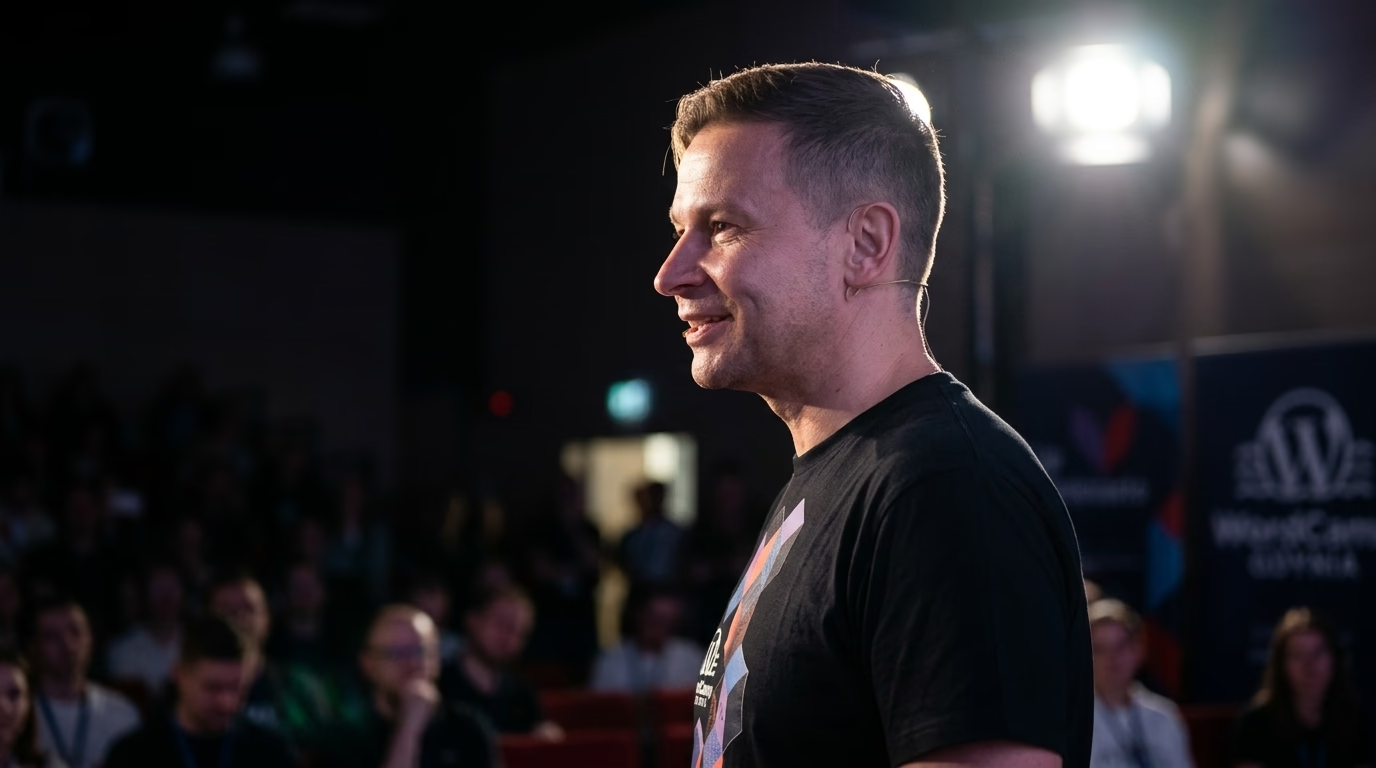
Six to sixteen weeks for typical engagements, with a four-phase shape: discovery, scoping, build and cutover, tuning. The variables are catalogue size, integration count, URL preservation, and editorial team readiness, not framework choice.
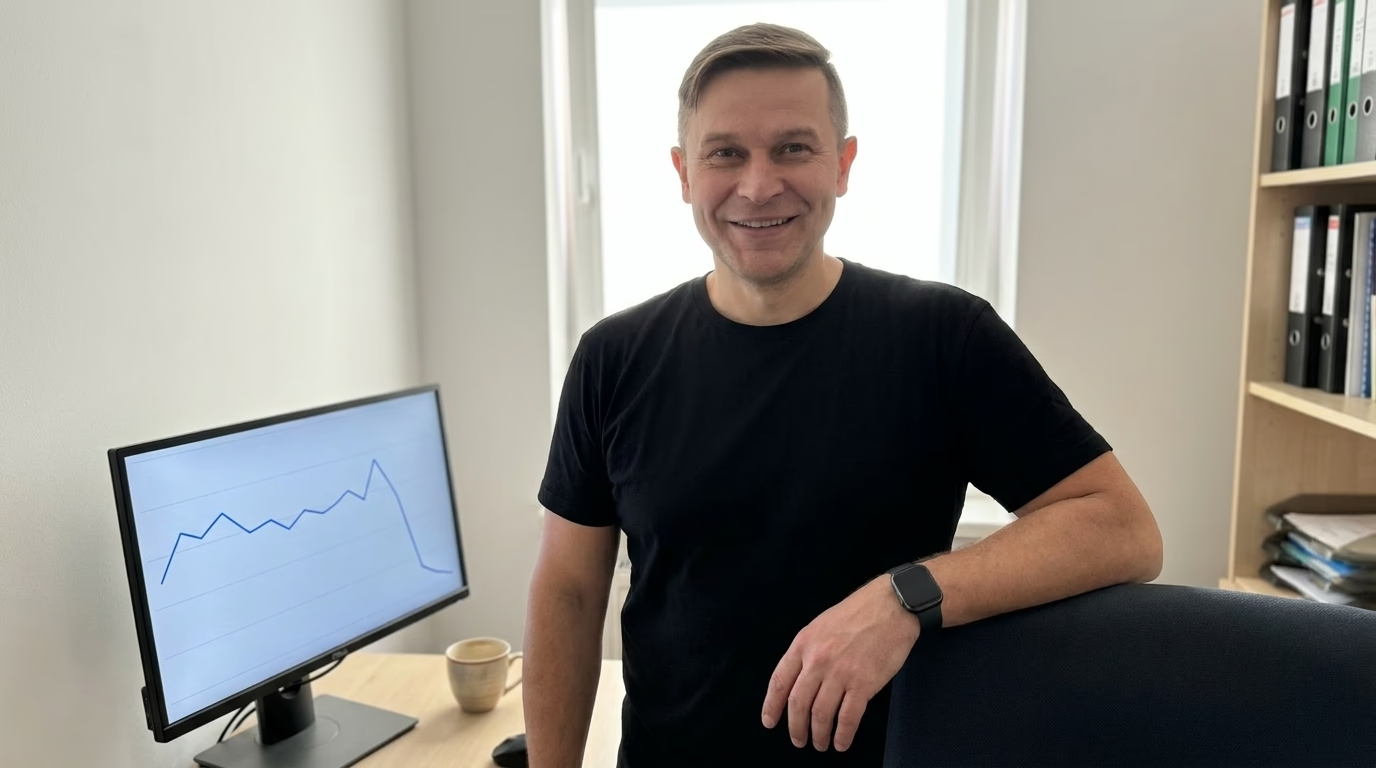
A definitive 4-year Total Cost of Ownership (TCO) analysis, real-world Core Web Vitals benchmarks, Astro 7 GraphQL APQ architecture, and a 10-point executive decision matrix for choosing between decoupled and traditional WordPress.
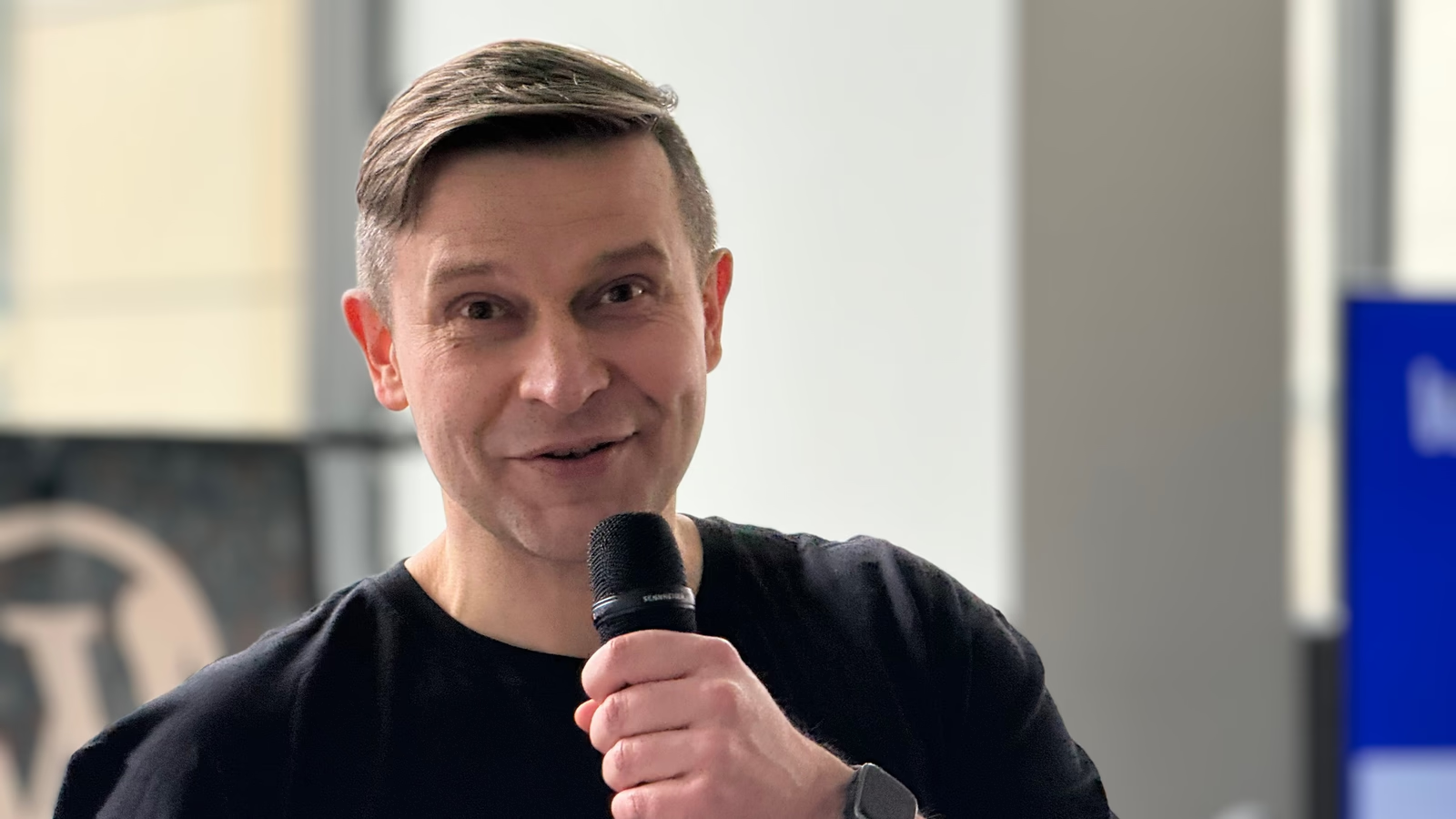
The Shopify Plus vs WooCommerce headless decision in 2026 is no longer a binary "platform vs custom" trade-off. Both can run headless, both integrate AI, both ship at the edge. The real axes are control, total cost over five years, and exit strategy. This article walks the matrix with confirmed platform facts.