Migrate from WordPress to Astro in Turin
Many businesses in Turin run WordPress but face performance ceilings, security overhead, and rising hosting costs. Astro solves these with static HTML output, zero JavaScript by default, and edge deployment. I migrate existing WordPress sites to Astro with full SEO preservation, URL mapping, and 301 redirects.
- PageSpeed 95-100
Static HTML with zero JavaScript. Faster than any WordPress solution.
- SEO-safe migration
URL mapping, 301 redirects, Google rankings preserved.
- Cloudflare Pages hosting
Global CDN, free SSL, instant deployments. Hosting costs near zero.
Mariusz Szatkowski works from Gdynia, Poland, on Astro builds for organisations whose marketing, investor relations and procurement teams sit in Turin and across Piedmont. Typical clients run tier-one automotive supply chains feeding Stellantis programs around Mirafiori and Corso Marche, aerospace and propulsion groups tied to Leonardo's heritage in the region, or engineering consultancies staffed by Politecnico di Torino graduates who sell complex B2B equipment into EU factories. They need public sites that open quickly on plant Wi-Fi, state trader identity for Italian consumers, and gate analytics until privacy counsel signs off with the Garante per la protezione dei dati personali in mind. A WordPress install bloated with builder scripts, or a client-rendered marketing SPA that paints content before cookie choice appears, creates friction nobody needs during an OEM audit. Astro compiles brochure routes to static HTML, hydrates only widgets that need runtime logic, and keeps footer identity fields plus consent hooks in version control where Turin lawyers can review diffs.
What Piedmont industrial buyers expect from a public site
Turin is not Milan’s finance and fashion mix. The city still carries FIAT’s industrial DNA even after Stellantis renamed the group: headquarters decisions, prototype halls and supplier events concentrate along the Po corridor while component plants spread through the wider Piedmont belt. Briefs from marketing directors near Lingotto or from innovation offices at Politecnico-linked incubators repeat technical demands that differ from Lombardy luxury scopes.
When I read Turin matrices, these items return in almost every procurement pack:
- Trader identification and B2C information on any route that sells spare parts, merchandise or configured kits to consumers, not buried inside a PDF press kit.
- Privacy notices and cookie banners reviewed against Garante cookie guidance before analytics or personalization scripts execute.
- Core Web Vitals within the ranges Google documents on web.dev, because buyers open spec links on LTE while commuting through Porta Nuova station or the metro extension toward Lingotto.
- Italian and English trees where Italian carries statutory tone and English carries export or OEM program narrative without duplicate spam URLs.
- Heavy PDF and CAD-linked collateral without delivering a full application runtime on every marketing URL.
Industrial photography, technical writing and brand guidelines come from your Turin agency or in-house studio. I turn approved layouts into responsive Astro templates and attach trader identification, privacy links, and consent wiring your counsel already approved.
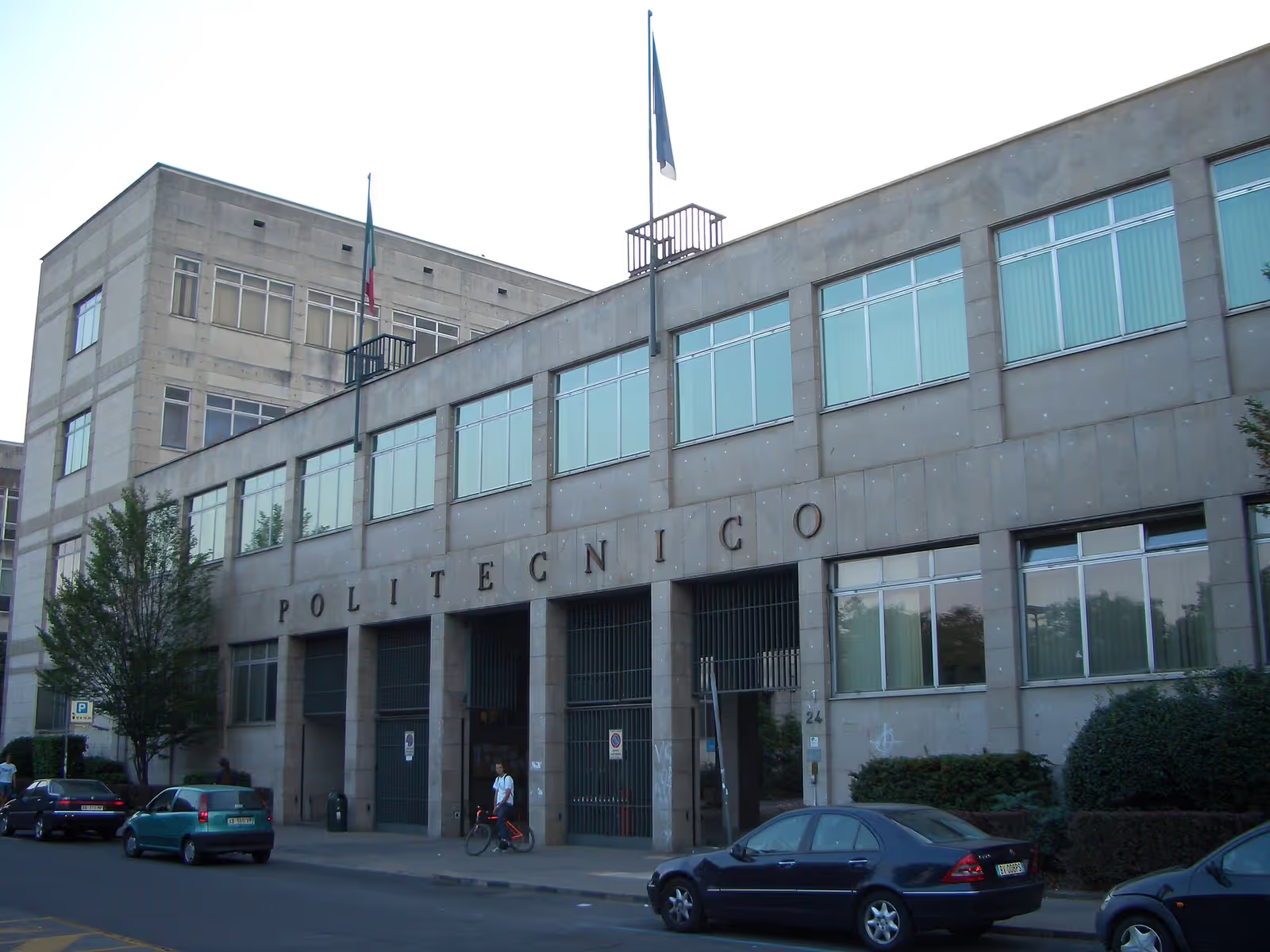
Campus imagery supports talent and R&D positioning; engineering buyers still judge you on datasheet findability and legal footers first.
Automotive heritage, Stellantis and the supplier belt
Turin’s identity still routes through automotive manufacturing. Stellantis documents its origins in the 1899 founding of Fiat; Mirafiori remains a symbolic and operational anchor for the group in Italy. Tier-one and tier-two suppliers around Turin market driveshafts, composites, interior modules, and electronic control units where OEM portals demand stable URLs, spare-parts finders, and recall comms that must not fail during a line stoppage.
For supplier Astro sites I compile product families to plain HTML and reserve client bundles for VIN tools, stock checkers, or gated engineering drawings. That split usually pulls Largest Contentful Paint and Interaction to Next Paint back inside the ranges Google documents on web.dev without asking procurement visitors to download a SPA shell before reading a torque spec.
Many Piedmont firms already operate a dealer or fleet portal on another stack. Public Astro pages link out or embed small islands instead of merging authenticated workflows into the marketing repository.
Deliverables common on Turin automotive engagements
- Multilingual programme pages with Italian statutory copy and English OEM-facing corridors.
- Spare-parts and aftermarket catalogues where search must work on low-end Android devices on the shop floor.
- Migration off WordPress multisite estates that accumulated seventeen tracking plugins during each model year refresh.
- Split stacks where plant communications stay in WordPress while Astro builds the customer-facing hostname visitors crawl.
- Performance and structured data audits before an OEM co-brand review or accessibility inspection.
I do not invent turnover figures or OEM endorsement logos for this page. WordPress Torino Meetup and your existing supplier network are better places to verify vendors than anonymous case-study tiles.
Aerospace, propulsion and advanced manufacturing
Piedmont’s aerospace cluster sits beside automotive: Leonardo lists major Italian industrial sites tied to helicopters, avionics and defence electronics; suppliers in the Turin hinterland machine turbine components and composite structures where export compliance narratives must stay sober. Marketing sites look like engineering brochures: long tables, restrained colour palettes, and download gates for controlled documents.
Astro suits that tone because static pages cache at the edge while islands power document request forms, newsletter double opt-in for airshow leads, or filtered product finders when taxonomy depth would clutter HTML. When a group already serves airlines through a secured portal, I document subdomain boundaries so robots files and consent policies stay honest.
Technical collateral without sacrificing vitals
- Responsive images and deferred PDF thumbnails so first paint is not blocked by datasheet previews.
- Lazy hydration for comparison sliders on materials pages.
- Prefetch only on routes analytics prove matter; no blanket client router across investor PDF indexes.
- Iframe embeds for approved supplier videos with poster frames sized to your brand grid.
Politecnico di Torino and the regional talent pipeline
The Politecnico di Torino trains a large share of Italy’s mechanical, aerospace and computer engineers. Incubators and foundations linked to the university feed software startups that sell simulation, logistics, and factory analytics into the same OEM accounts as legacy metal benders. Their sites must signal research credibility: publication lists, EU project acknowledgements, and careers pages that load fast for international applicants browsing from Munich or Detroit.
I use content collections with Zod validation so each research highlight carries lang, fundingProgram, and translationGroup fields. A missing English abstract on a page your export manager expects can fail the build instead of embarrassing you during a partnership call.
Hackathons at OGR Torino and meetups around the Dora river-side innovation belt are cultural context, not procurement proof. For due diligence, ask for staging links, redirect plans, and how legal partials are versioned.
Italian consumer law on Piedmont supplier sites
Turin counsel still grounds B2C work in the Codice del consumo (D.Lgs. 206/2005), Italy’s transposition of EU consumer protection into national law. Spare-parts shops, branded merchandise and small-ticket configurators need visible trader identity, product characteristics, pricing clarity, delivery terms, withdrawal rights where they apply, and complaint routes that do not hide behind OEM campaign graphics.
For privacy, Piedmont DPOs read Garante per la protezione dei dati personali guidance on cookies and processing records. The authority’s cookie documentation is still the reference when plant marketing domains fire tags ahead of consent.
Because Astro renders footers and form preambles from data files in Git, procurement can compare pull requests during sprint review. After a supplier swaps colour palettes for a new Stellantis platform, I would rather diff a layout prop than chase consent toggles buried in a drag-and-drop theme.
| Surface | Legal anchor | How I wire it in Astro |
|---|---|---|
| Global footer | Trader identification and contact routes | Typed legalIdentity object injected into every layout |
| Spare-parts checkout | Codice del consumo information duties on B2C paths | Locale-specific partials reviewed by your counsel |
| Airshow or careers signup | Lawful basis and transparency | Separate partial with unsubscribe copy per locale |
| Dealer lead form | Privacy notice linkage | Form schema links to privacy policy slug in active language |
| Cookie banner | Garante expectations on choice before non-essential scripts | Consent island gates tag manager and pixels |
Policy wording stays with your DPO. I implement what counsel signs: block non-essential beacons until categories are accepted, keep lead forms to fields you can defend, and wire consent logs when your records of processing require them.
Bilingual Italian and English trees for export suppliers
Piedmont exporters publish Italian for domestic regulators and plants while English carries OEM programme or North American aftermarket narrative. The engineering task is to keep hreflang honest and consumer notices present on every locale that sells B2C, even when English copy reads like a Detroit-facing data sheet.
Locale folders carry typed lang and translationGroup metadata inside Astro collections. CI can require paired IT and EN consumer blocks when export managers demand symmetry, or tag investor-only English slugs so hreflang exports stay truthful. Missing mandatory withdrawal copy on an Italian aftermarket SKU should stop the pipeline before DNS changes.
Cookie taxonomy for Mirafiori-area marketing domains
Factory marketing teams often rehearse consent on staging before Mirafiori open days or airshow traffic spikes. I ship pages without third-party script tags until your island unlocks a category the DPO listed.
You and I maintain a tag register in the repository: strictly necessary, statistics, functional, remarketing. Each loader references that table so a colleague cannot paste a new remarketing snippet through CMS without review.
After you pick GA4, Matomo, Plausible, or another stack, tags stay dormant until the documented opt-in path runs. Rejecting cookies on staging should leave a clean network panel except for strictly necessary calls, and we file screenshots for counsel archives.
Islands architecture for configurators and engineering gates
Turin industrial sites rarely need full single-page-application behaviour on every route. What they do need is selective interactivity:
- Gated CAD or SDS downloads where email domain or customer number matters.
- Vehicle or platform configurators with long option lists fed from PIM exports.
- Plant and service locators with filters for Corso Marche offices versus provincia sites.
- Recall or service-campaign subscription tied to marketing automation with double opt-in in Italian.
Interactive widgets compile as Astro islands in whichever framework your team already maintains, while datasheet prose ships as static HTML machines and screen readers can parse without waiting for hydration.
Authenticated dealer portals can remain on Next.js or another session-aware stack. I migrate only the anonymous catalogue and investor brochure so search crawlers avoid downloading an application bundle on every parts query.
Technical stack on Turin Astro engagements
Every repository targets current stable Astro with TypeScript strictness, Tailwind CSS design tokens from your brand PDF, and content collections for long-form pages. Deployment usually lands on Cloudflare Pages with automatic preview URLs per branch so Turin agencies can review without VPN fuss.
| Layer | Role on Piedmont industrial sites |
|---|---|
| Astro 5.x | Static marketing routes, view transitions where brand allows |
| TypeScript | Schema validation on legal and collection content |
| Tailwind CSS 4 | Utility layout matching supplied Figma spacing |
| React or Vue islands | Forms, consent, configurators |
| Cloudflare Pages | EU-friendly edge, custom headers for security policies |
| GitHub Actions | Lint, typecheck, Lighthouse CI on pull requests |
Schema.org blocks reuse the same typed records as footers: Organization with the Turin registered office, WebSite with inLanguage, and FAQPage only when questions appear on the page. We run rich-result checks your SEO retainer already bills for.
Written delivery from Gdynia without a Turin desk
I do not maintain an office in Lingotto or weekly onsite stand-ups in a Mirafiori lobby. Work flows through tickets, Git, password-protected previews, and sign-off lists your procurement office can file with OEM paperwork.
| Phase | Turin-side participants | What you receive |
|---|---|---|
| Intake | Marketing owner, legal counsel, SEO agency | Restated scope, risk log, language map |
| Architecture | IT security, DPO | Route diagram, cookie taxonomy, subdomain plan |
| Build sprints | Brand agency, technical authors | Preview URLs, diffs for legal footers |
| Compliance pass | DPO, external counsel if B2C checkout exists | Evidence pack for cookie and identification checks |
| Launch | DNS owner, IR if investor pages move | Redirect file, Search Console checklist |
Central European working hours cover most Turin business days. Urgent production defects get written acknowledgement the same day when they block a plant campaign; feature scope still flows through change notes so procurement retains audit trail.
Quotes stay individual after a written audit. Published salary surveys for senior front-end contractors in Turin show wide bands; my proposals name effort and dependencies, not a public rate card on this page.
Migration from WordPress or Next.js without losing Piedmont SEO equity
Turin WordPress estates often mix Italian consumer widgets with English OEM clones that drift apart. Redirect planning starts by stitching XML sitemaps, twelve-month analytics landings, Search Console URL samples, and CMS export paths into one workbook your SEO lead signs.
Pages become typed Markdown or Astro components instead of database dumps. Torque tables and materials datasheets get human review after PDF copy-paste. Lighthouse runs on representative templates pre and post move so plant marketing sees numbers, not adjectives.
When Next.js already serves authenticated dealers, only the anonymous catalogue moves to Astro; session handling stays on the stack that owns it.
Typical timeline for a Turin migration
- Weeks 1 to 2, crawl legacy URLs, log structured data on the source, and freeze redirect pairs with your SEO lead.
- Weeks 3 to 5, scaffold Astro, define collections, rebuild navigation and hero templates against approved Figma.
- Weeks 6 to 8, port Markdown, rewrite image paths, fix embeds, and regression-test internal links on staging.
- Weeks 9 to 10, run Lighthouse CI in parallel on old and new templates, compare Search Console coverage, validate rich results.
- Week 11, flip DNS with edge 301s, watch crawl errors and branded queries daily for fourteen days.
Local visibility for Turin and Piedmont queries
Local SEO for a plant marketing site is less about downtown map packs and more about entity clarity: consistent name, address, and phone data in footers, LocalBusiness or ProfessionalService schema where appropriate, and location pages only when you operate service points beyond the registered office.
For AI-assisted discovery, clean semantic HTML and explicit about entities in structured data help parsers cite your specification or sustainability pages accurately. I avoid keyword-stuffed neighbourhood lists; Piedmont buyers punish transparent fluff.
Checklist before you sign any Astro contract in Turin
Use this list internally even if you choose another vendor:
- Verify trader identification appears in both Italian and English footers without layout exceptions.
- Map B2C information duties for every spare-parts or merchandise path that sells to consumers.
- Freeze the tag register in Git before media teams inject fresh GTM containers into staging.
- Document whether English storefront URLs that sell to consumers must repeat Italian statutory notices verbatim or via linked summaries.
- Check hreflang pairs in rendered HTML, not only inside a plugin dashboard.
- Assign one counsel reviewer who must approve footer diffs before merges to production branches.
- Capture Core Web Vitals on throttled mobile profiles mimicking metro LTE, not only desk fibre.
- Document OEM co-brand rules so temporary campaign routes cannot skip identification partials.
How to start
Send your Turin domain, languages, and whether the project is greenfield, migration, or performance recovery. During Central European business hours you receive a written next step by email; staging credentials follow once scope is frozen. EU B2B contracting, quote after the audit, no Turin office and no improvised phone discovery.
Selected projects
Examples of my work.
E-commerce Development: kredytywarszawa.pl
kredytywarszawa.pl is a WordPress website for a business offering loans and financial services, focused on clear services, performance, and basic security.
E-commerce Development: led-lumina.pl
led-lumina.pl is a professional online store that presents a comprehensive range of innovative LED solutions for both individual and business customers. The ...
E-commerce Development: like2slide.com
like2slide.com is a website for the ski, snowboard, and wakeboard community, built for inspiration, publishing, and stable operation.
WordPress support & development in Turin
Need this service: Astro developer in Turin?
Describe your project by e-mail. I reply within 48 hours.
Describe your projectExplore other WordPress services and knowledge base
Migration to Astro, Next.js, and headless WordPress.
WooCommerce sync with ERP and wholesale systems.
Business process automation around WordPress and company systems.
Library of concrete automation use cases.
Headless WordPress, Sanity, Strapi, and Contentful with Astro or Next.js.
Astro, MDX, edge delivery, and Core Web Vitals measured on real traffic.
Custom WordPress engineering and architecture.
Scalable headless, ERP, and AI architecture for enterprise.
Related categories
Supporting articles
Six to sixteen weeks for typical engagements, with a four-phase shape: discovery, scoping, build and cutover, tuning. The variables are catalogue size, integration count, URL preservation, and editorial team readiness, not framework choice.
A definitive 4-year Total Cost of Ownership (TCO) analysis, real-world Core Web Vitals benchmarks, Astro 7 GraphQL APQ architecture, and a 10-point executive decision matrix for choosing between decoupled and traditional WordPress.

The Shopify Plus vs WooCommerce headless decision in 2026 is no longer a binary "platform vs custom" trade-off. Both can run headless, both integrate AI, both ship at the edge. The real axes are control, total cost over five years, and exit strategy. This article walks the matrix with confirmed platform facts.