Technical analysis of Google AI Mode: over 1 billion users, the new Search Console Generative AI report, query fan-out mechanics, agentic checkout, and ranking factors.
Posts in category seo
This block routes category visitors into the commercial pages and supporting content that complete the search intent.
Visibility in Google and AI answer systems.
Claude, OpenAI, and RAG inside WordPress with BYOK and EU residency.
Schema, UCP, and readiness for shopping agents.
Core Web Vitals, caching, and faster delivery.
Custom WordPress engineering and architecture.
Headless WordPress, Sanity, Strapi, and Contentful with Astro or Next.js.

Which Schema.org types matter for AI search engines? Practical guide to AEO and GEO optimization - making your content discoverable by ChatGPT, Perplexity, Google AI Mode, and answer engines.
llms.txt, Markdown for bots, FAQ schema, and the phrase "GEO instead of SEO": five myths I hear from WordPress and WooCommerce clients. What I actually ship on wppoland.com and what I measure in Search Console.

A practical GEO playbook for 2026. What actually moves AI citation rates in ChatGPT, Claude, Perplexity and Gemini, what is folklore, and the order to implement each lever.
Technical analysis of Google AI Mode: over 1 billion users, the new Search Console Generative AI report, query fan-out mechanics, agentic checkout, and ranking factors.
Technical analysis of Google AI Mode: over 1 billion users, the new Search Console Generative AI report, query fan-out mechanics, agentic checkout, and ranking factors.
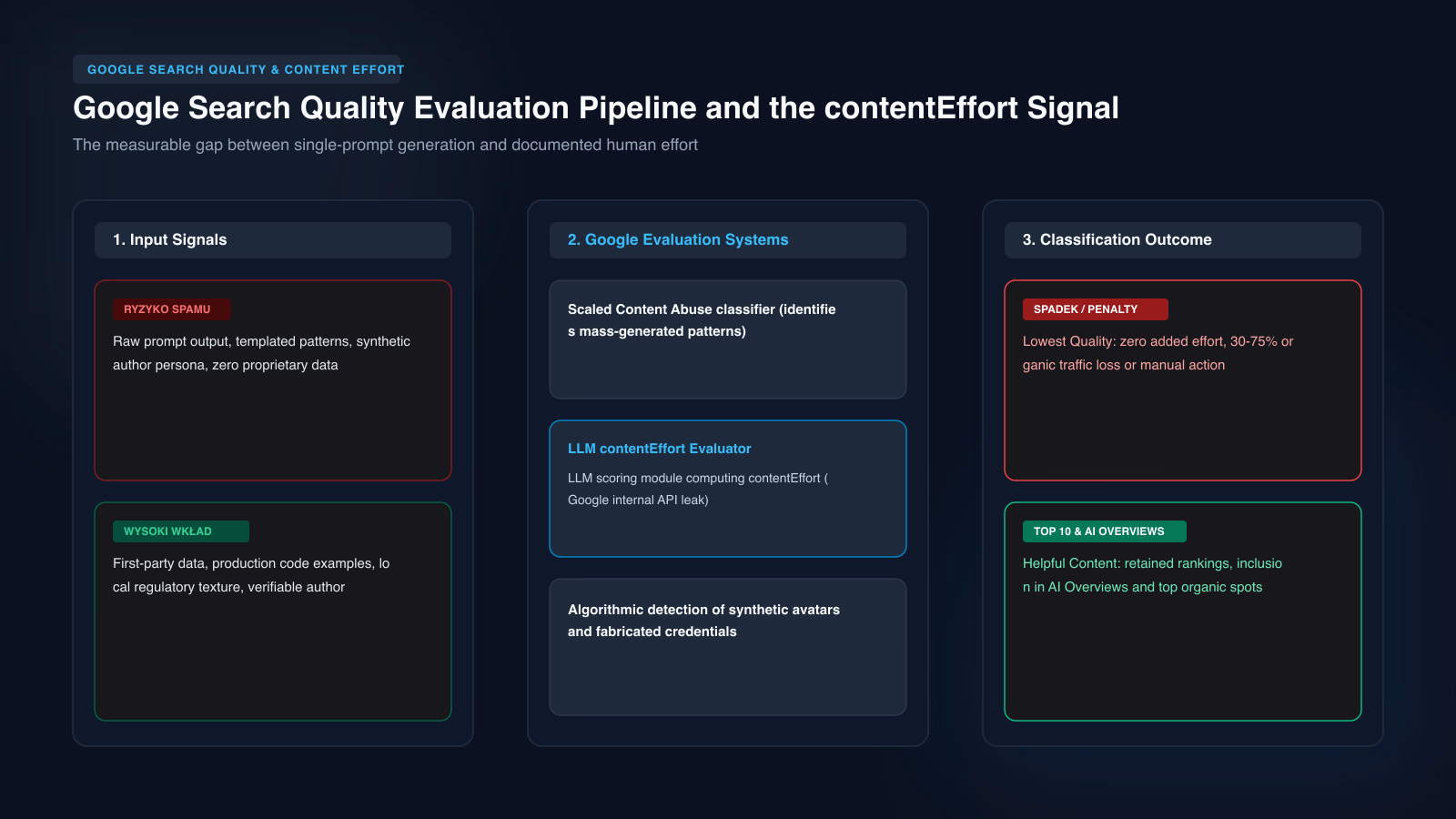
Google tightens spam policies against mass-produced AI text. We explain the contentEffort metric from the algorithm leak, examine Ahrefs and Lily Ray data, and show remediation steps for local and glossary pages.
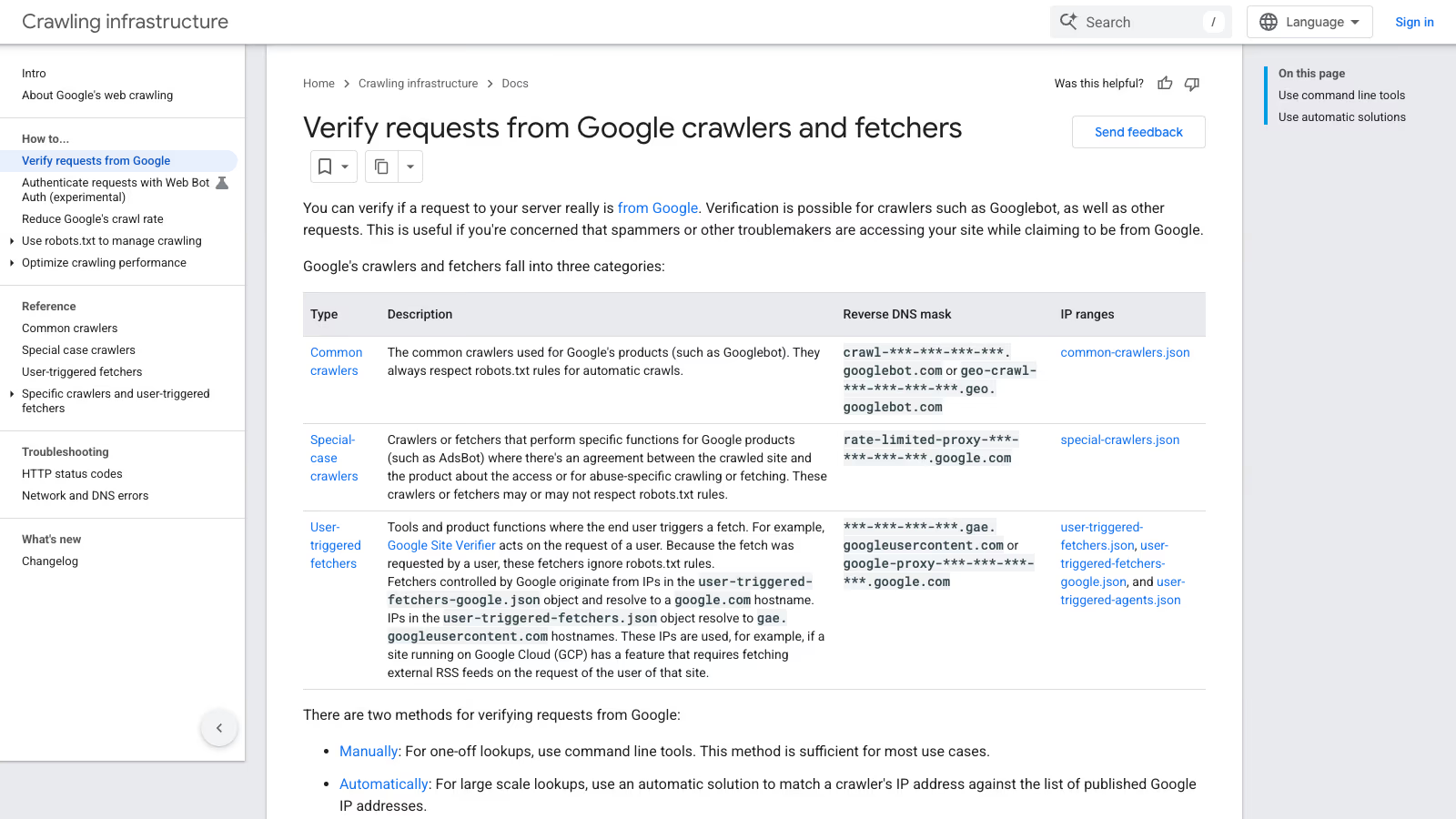
A user agent that says Googlebot proves nothing. How to check a request against Google's published IP lists or a two-way DNS lookup, and how to block impostors in nginx, Apache and Cloudflare without hitting the real crawler.
An SEO agency without a WordPress developer on staff: which audit tasks to hand over, how to grant Search Console and WordPress access without sharing accounts, what the contract needs (hours, response times, copyright, UK GDPR and EU GDPR) and how to measure the result.
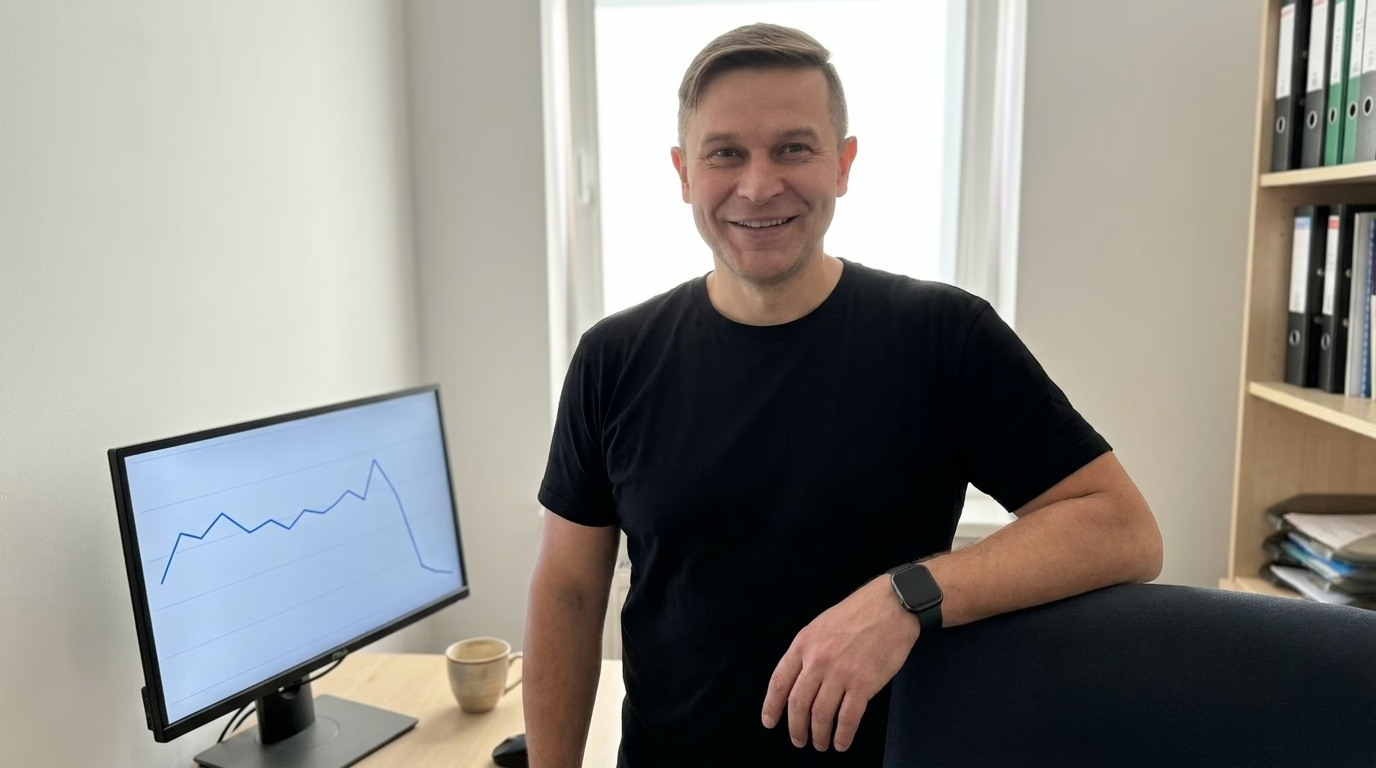
Search Console shows impressions falling off a cliff while URL Inspection still says indexed. Check reporting, the Search Status Dashboard, the calendar, your own deploys and the SERP, in that order, before you change anything on the site.

Google shows your pages on ftp., staging., dev., an IP address or an old subdomain, the host is gone from the server, and the URLs are still in search. What the old hostname returns decides the fix: 301, 404, Domain property, Removals or waiting.
Master image optimization in WordPress and WooCommerce for Google Lens, ChatGPT Vision, and multimodal AI search engines in 2026.
Implement scalable volume-based tiered pricing, unit pricing, and MOQ in WooCommerce B2B aligned with Google Merchant Center and AI shopping agents.
Google Ads adds an official prediction markets policy section. Explore licensing rules, server-side geofencing, and technical architecture for WooCommerce.
Bing is testing a single, larger sponsored ad unit at the top of its results page. What the test shows, how to measure its effect on organic CTR in Bing Webmaster Tools, and what to fix in WooCommerce.
Google Ads is testing the Search terms and ad combinations report. Discover how to evaluate RSA headline combinations and deploy conversion queries into WooCommerce SEO.
Search Engine Roundtable reports a Google test that puts the AI Mode sidebar on desktop search results. What was actually seen, what Google documents, and what to change in WordPress.
Bing Webmaster Tools adds Topics Portfolio to AI Performance reports. Learn how to read topic size, sites cited and opportunity queries, and what to change in WordPress.
Insights from Google Search Off the Record podcast: PDF-to-HTML conversion pipeline, low recrawl frequency, HTTP rel=canonical headers, and migrating to responsive CMS pages.
Analysis of the GPT-6 UTM parameter removal, window open noopener noreferrer enforcement, and an engineering guide to tracking dark AI search traffic in WordPress and WooCommerce.
Why the Search Console date selector gets stuck in 1969 and how to build an automated data export pipeline via Search Analytics API without the 1000 row limit.

Engineering guide to Google Ads Data Strength, Enhanced Conversions, Google tag gateway and Server-Side Google Tag Manager deployment in WooCommerce.

Technical analysis of domain migration reversions in Google Search Console and an engineering guide to resolving e-commerce migration failures in WooCommerce.

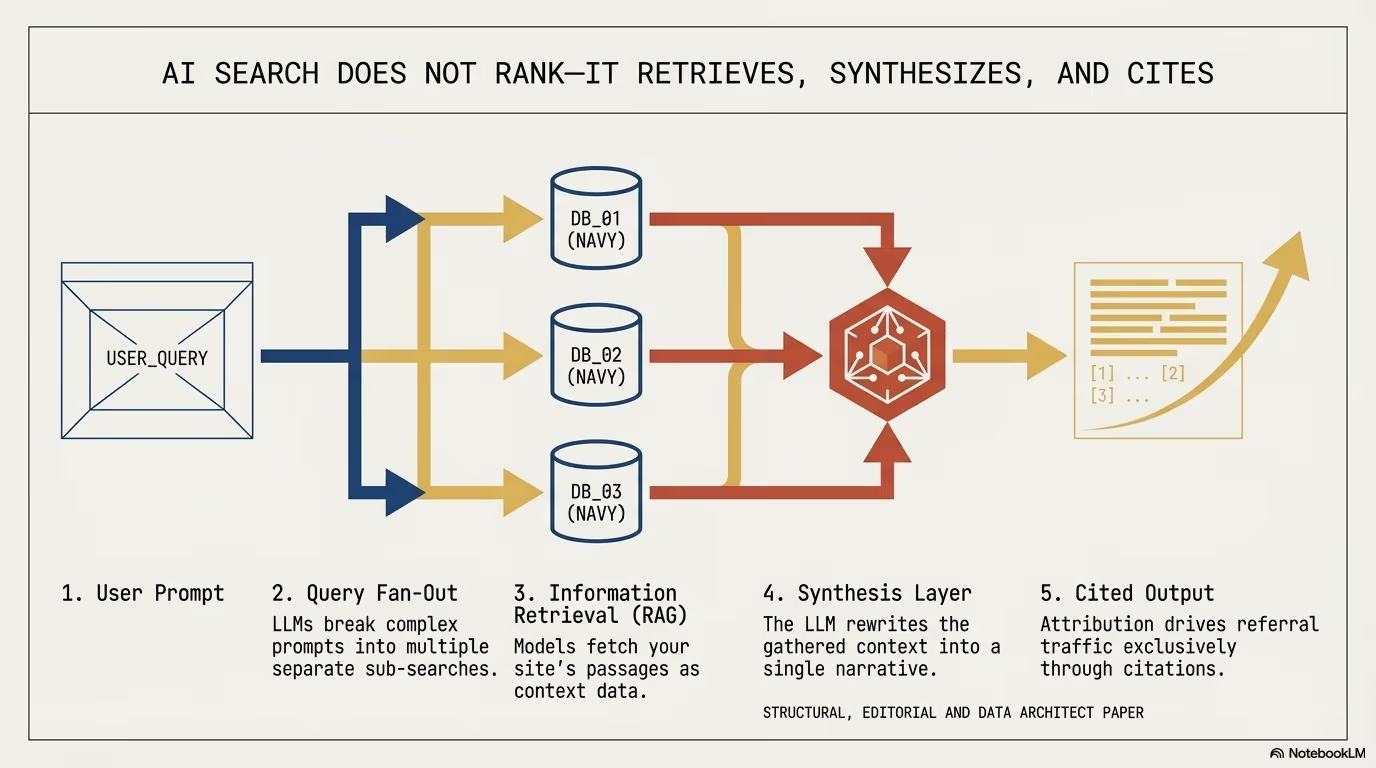
How Google AI Mode and ChatGPT split one question into several related searches, what the published data says about how often that happens, and how to write sections that can be quoted on their own.
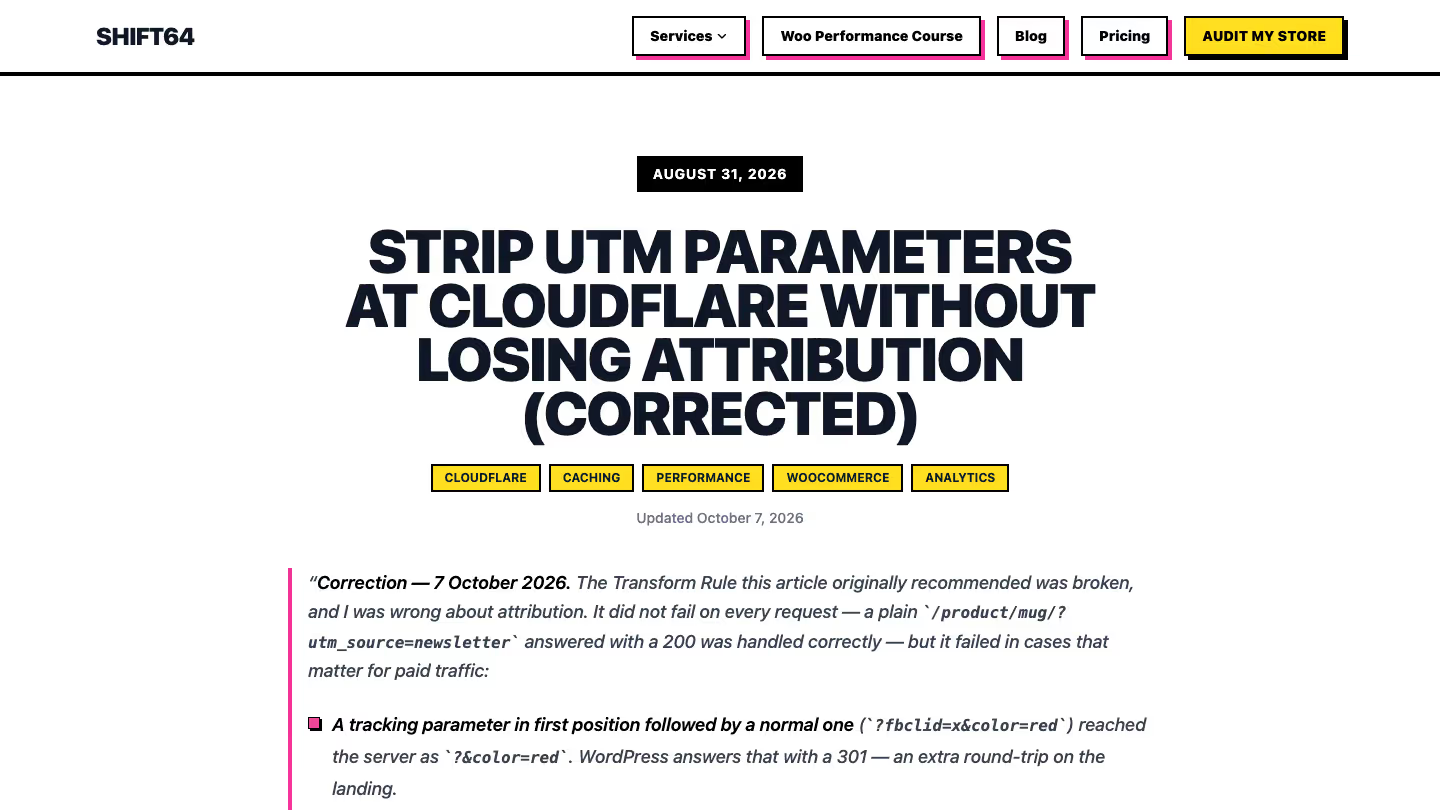
From 7 March to 10 October 2026 the Cloudflare Pages middleware on wppoland.com sent a 301 for every URL carrying utm_*, gclid, fbclid or msclkid. Analytics lost campaign data and Google Ads lost gclid; from 13 July the contact form lost lead sources too. Cause, fix and a curl test.
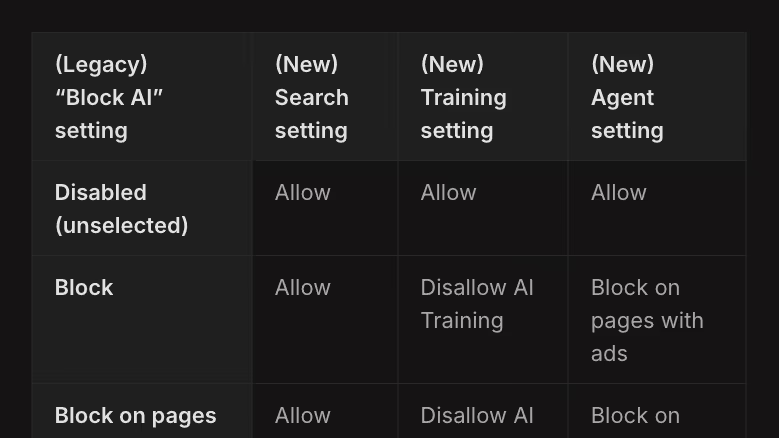
Since 15 September 2026 Cloudflare splits its AI bot settings into Search, Training and Agent. Google is not blocked by default, but the "Block" option stops Googlebot along with search. What changed and how to check it.
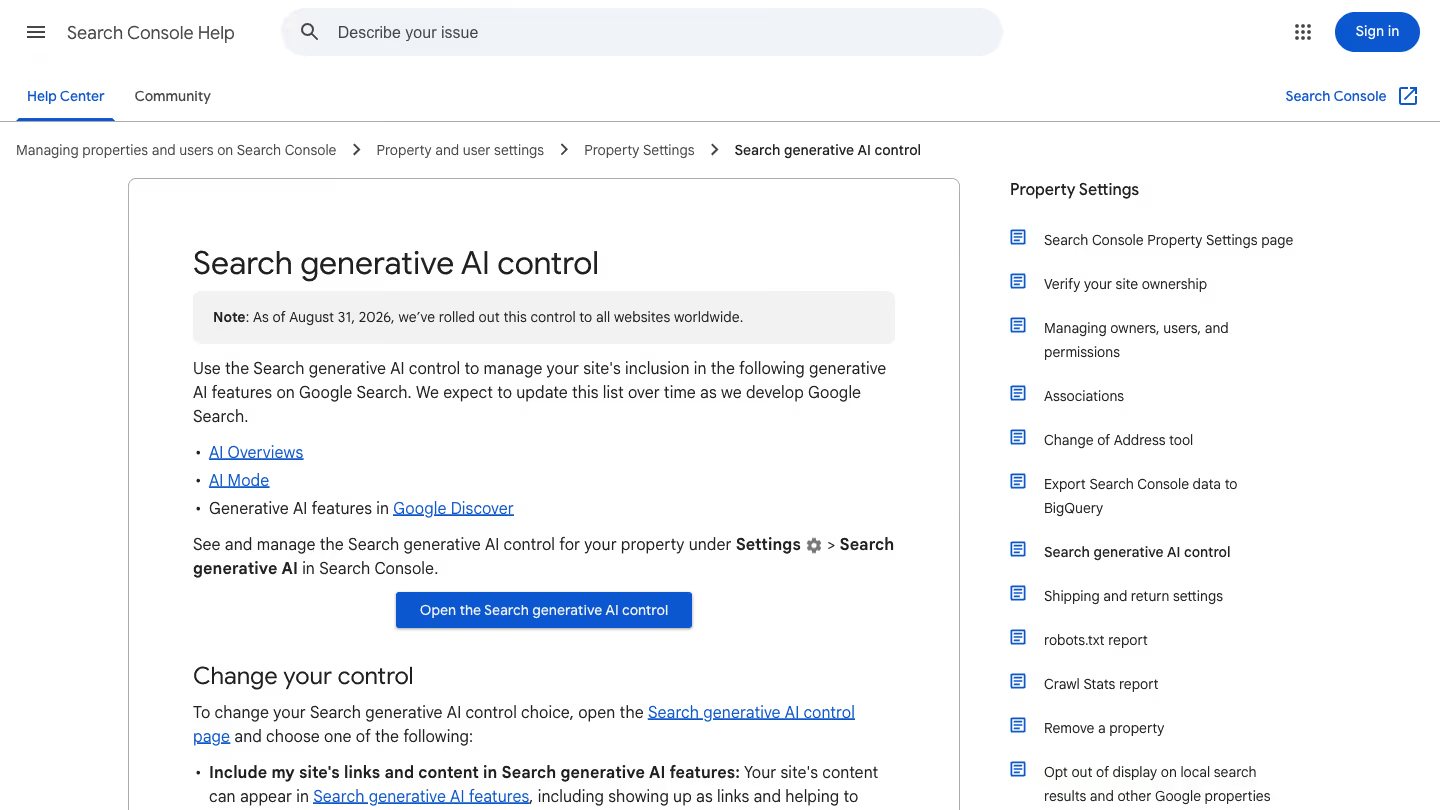
Three settings get mixed up when a site wants out of AI Overviews, out of AI training, or both. What each one blocks and does not block, quoted from Google's own pages and from contentsignals.org.
QDF is real, but Google discounts a date that changes without the page changing. Our own sitemap told Google every page changed on every build. What counts as an update in WordPress, and what is only noise.
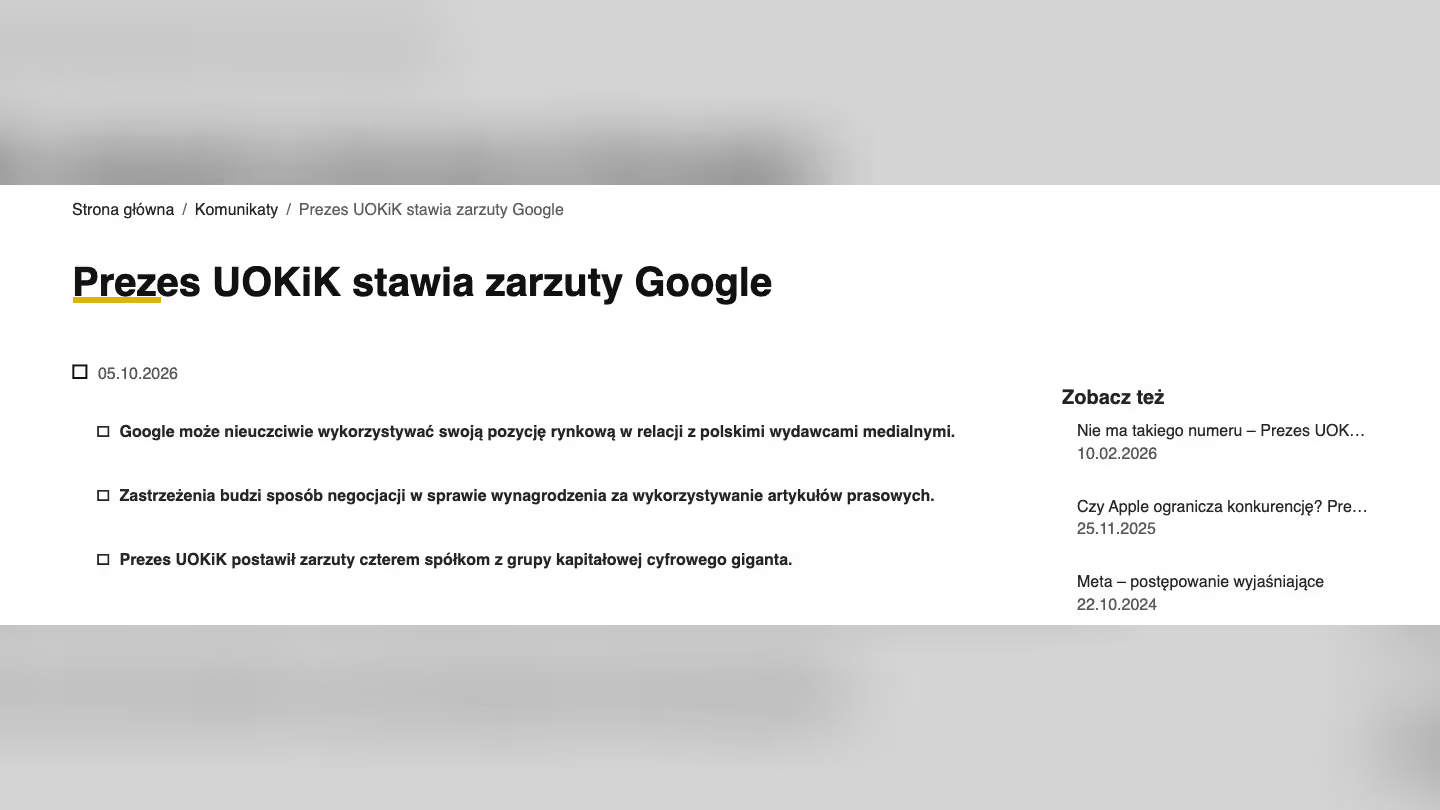
On 5 October 2026, the President of UOKiK filed charges against four Google subsidiaries for how the company negotiated payment terms with press publishers. What this means for your site publishing Polish press content and which controls you hold as a publisher today.
llms.txt, Markdown for bots, FAQ schema, and the phrase "GEO instead of SEO": five myths I hear from WordPress and WooCommerce clients. What I actually ship on wppoland.com and what I measure in Search Console.
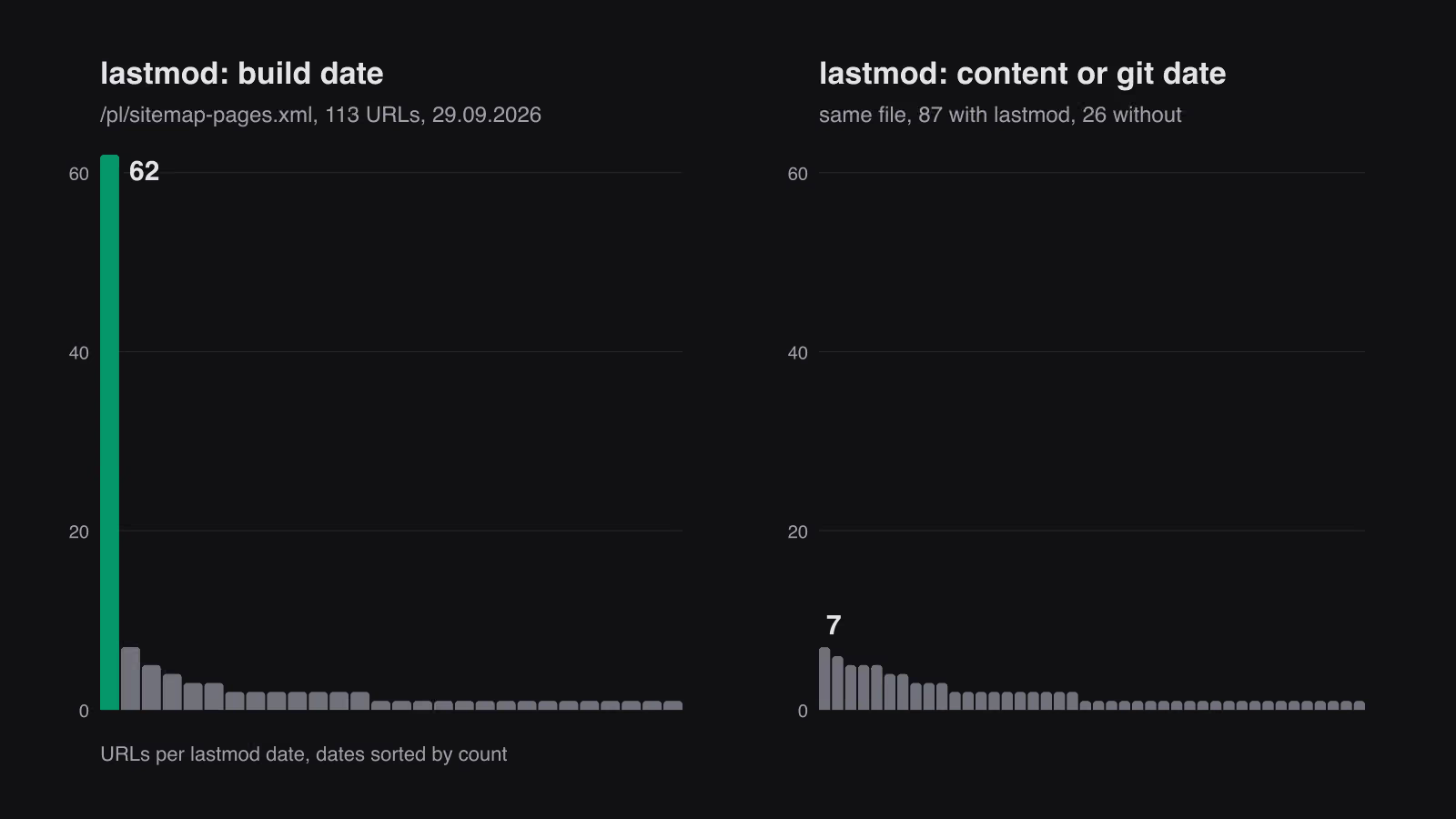
Joost de Valk checked the sitemaps of Adobe, Anthropic and GOV.UK. We checked our own and found five generator bugs. No entry inspector will ever see two of them, because they were about what the sitemap was missing.
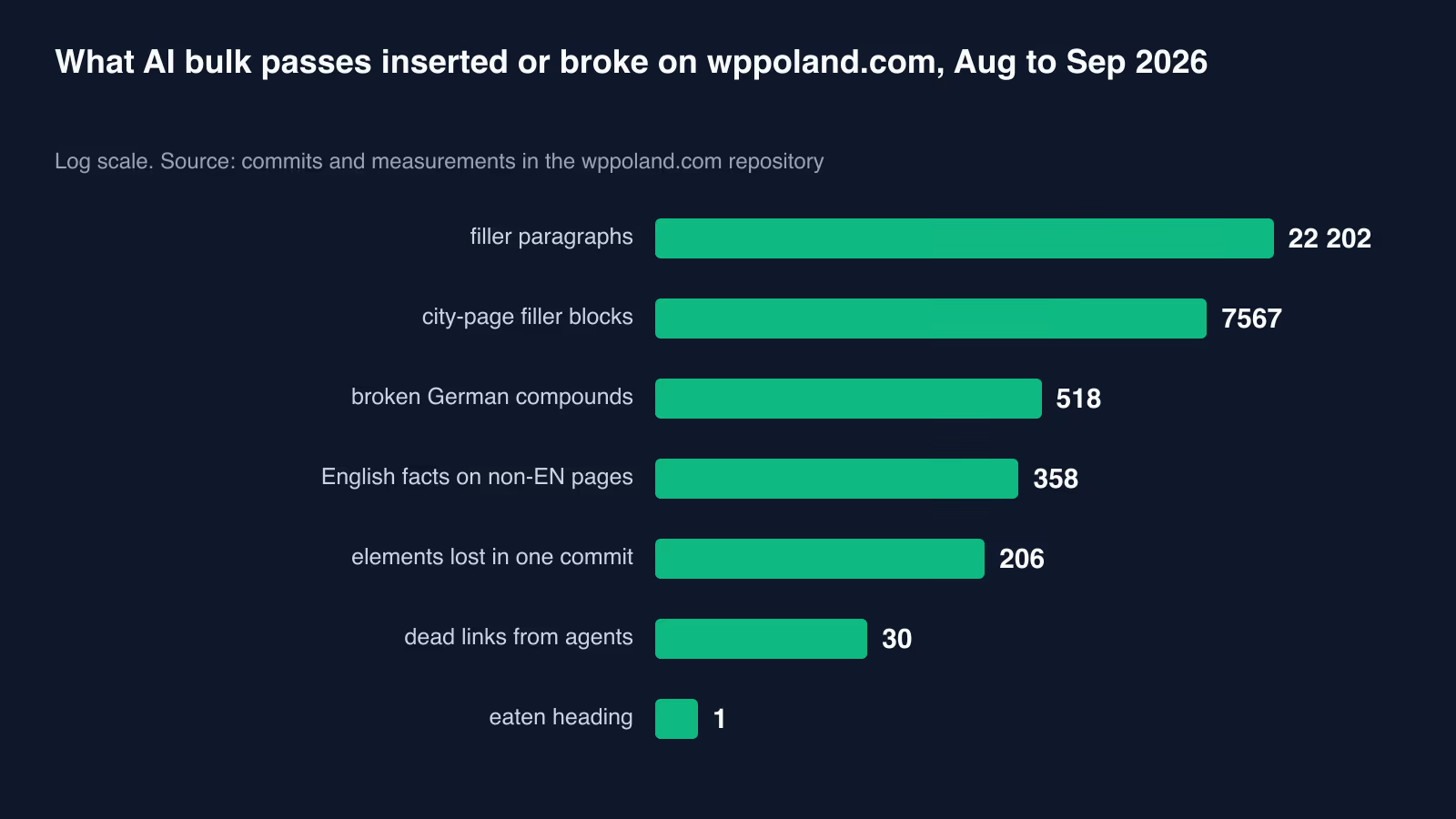
A post-mortem from my own repository: 22,202 filler paragraphs, a heading eaten by a price regex, 358 English sentences on German and Polish pages, invented case studies. Every pass reported success. I describe what reached production and which gate catches it today.

Our ai-train=no reservation sat in the User-agent star group, and not one of the twenty named crawlers it was written for could see it. RFC 9309 has no inheritance between groups. Here is how to check your own file.

Since 26 August 2026, links in Google results go through google.com/goto instead of straight to the page. What this changes in analytics, in rank tracking tools and in WordPress, and what it does not change at all.
Google now expands AI Overviews to a full AI Mode answer on some queries and pushes the ten blue links down. My Search Console numbers on offer URLs at positions 2 to 4, and what I changed so the overview has a fact to cite.
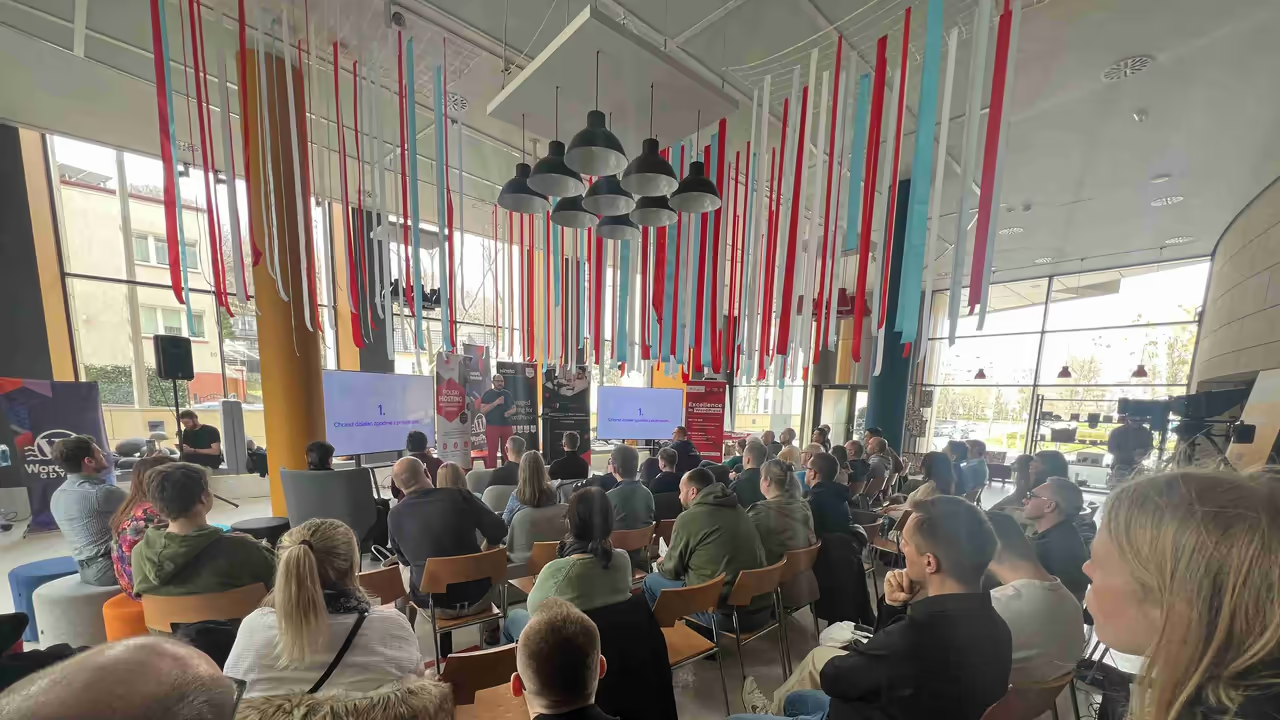
Google changed its JSON-LD extraction and now applies only one pass of HTML unescaping. Double-escaped entities are no longer unrolled, so the block stops parsing and the structured data disappears. How to measure your own corpus and how to encode it correctly.
Google splits site reputation manual actions by searcher location from 30 August 2026. Outside the EEA the demotion still hits the affected portion. Inside the EEA that impact does not apply; the section may rank independently. Why parasite SEO does not return.

A YMYL diagnostic for WordPress sites: how to find fake stats, fabricated citations, duplicate AI pages, wrong dates, and invented team bios before they damage trust, compliance, or AI citations.

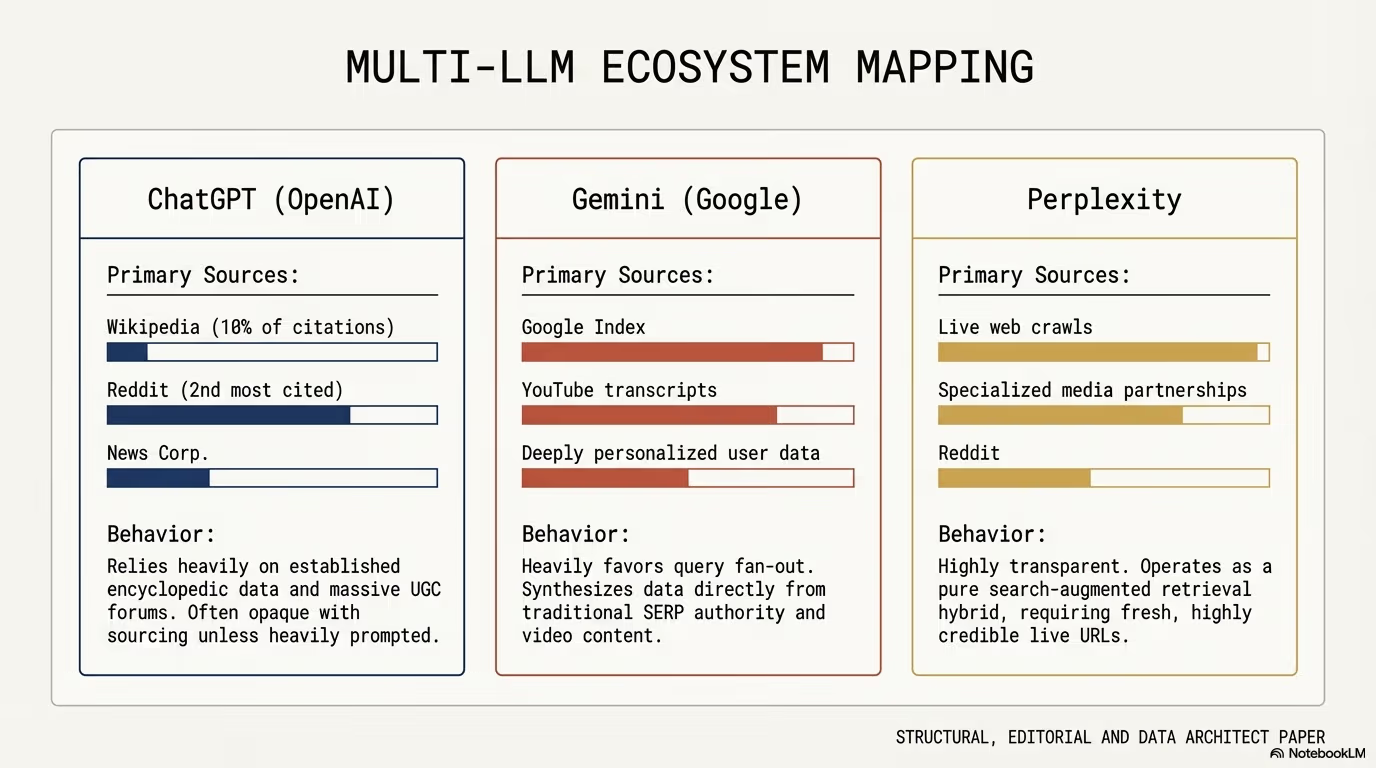
Our own Geoboard baseline showed Perplexity as the strongest engine and ChatGPT with zero presence across eight tracked prompts in the same run. Here is the mechanism behind that split, and what it means for procurement, evaluators, and agencies reporting AI visibility to clients.
Most AI-visibility dashboards sell one number. I show the query families, the metrics that actually predict revenue, the monitoring stack I run on my own site, and the cadence table procurement teams should demand from any GEO vendor.

I launched a 90-day first-party AI-citation series on wppoland.com. This is the baseline and methodology, not invented weekly charts. Geoboard snapshot, manual spot checks, and what procurement teams should ask vendors.
A WordPress agency read on the June 2026 search shifts: the May Core Update, Google's AI performance report and opt-out toggle, bots passing half of web traffic, the third-party SEO tools guidance, quiet deindexation, and the June Spam Update.
The new Generative AI section in Google Search Console reports impressions from AI Overviews and AI Mode. What it measures, what it leaves out, and how to read the data without drawing the wrong conclusions.

I pointed AI-visibility monitoring at my own site for a quarter. Three runs, three different instruments, and the finding that none of those numbers can be read without the method behind it. What they showed, what they never measured, and what I track now.
A June 2026 live test showed six of seven leading Western AI assistants read only raw HTML, not JavaScript-rendered content. What that means if your facts load client-side, and why our stack already serves everything server-side.

The 2026 debate over how to serve content to AI agents conflates three different layers. A practitioner view from a stack that already serves clean semantic HTML and Schema on Cloudflare.

Cloudflare Pages documents a 2,000-rule limit on _redirects, but the cap that actually bites is 100KB of file size. Rules past the byte cutoff are dropped at deploy with no warning. A production diagnosis.
A practitioner walkthrough to ship a WordPress site that ranks in 2026. Technical SEO, Core Web Vitals, schema, AEO, GEO, hreflang and the sequence that gets it right the first time.
A practical GEO playbook for 2026. What actually moves AI citation rates in ChatGPT, Claude, Perplexity and Gemini, what is folklore, and the order to implement each lever.
In a headless WordPress build, the sitemap and the canonical URL must be rendered by the front end, not the WordPress origin. This is the specific pattern that prevents two sitemaps and two canonical URLs from competing.

Headless WordPress migrations rank well when they preserve seven specific signals: canonical URLs, hreflang, sitemap output, structured data, redirect history, robots.txt parity, and image search.
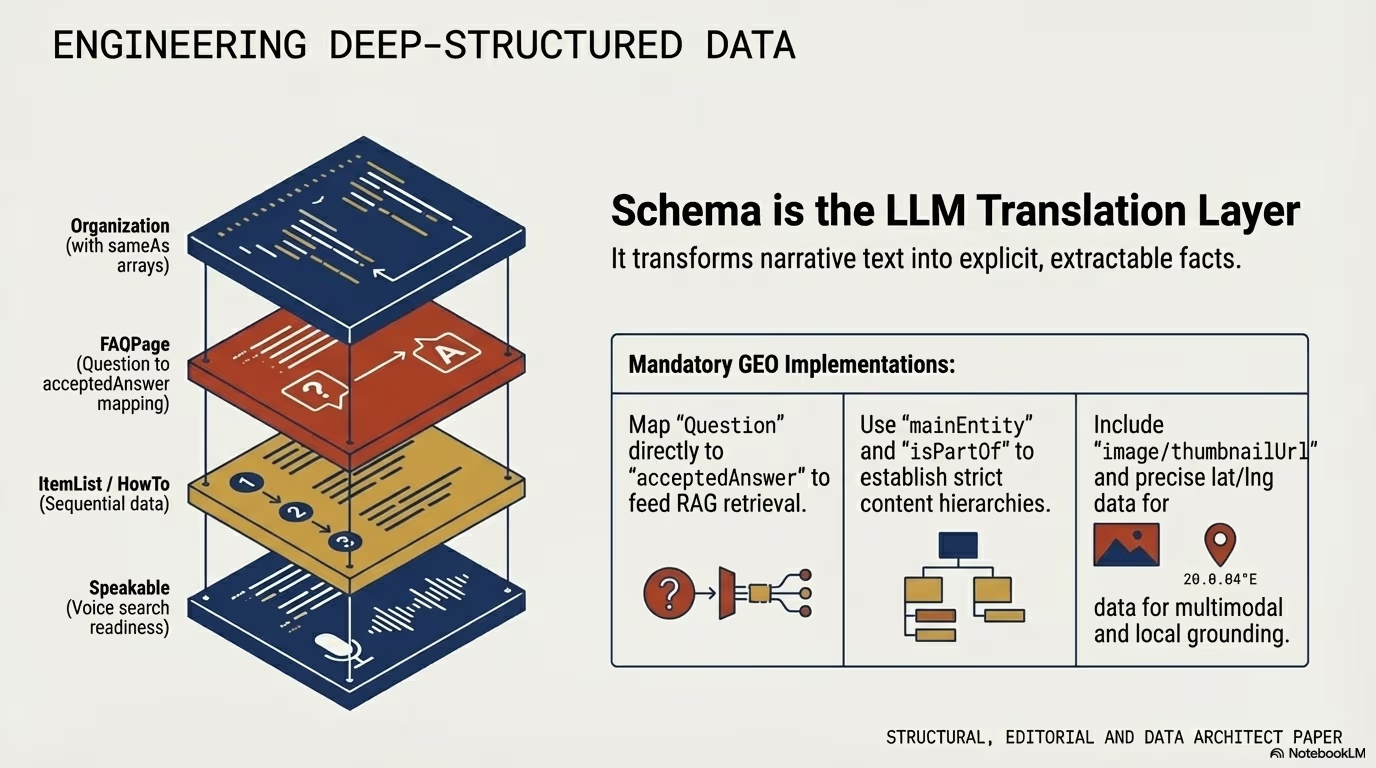
Which Schema.org types matter for AI search engines? Practical guide to AEO and GEO optimization - making your content discoverable by ChatGPT, Perplexity, Google AI Mode, and answer engines.

How to optimize Interaction to Next Paint (INP) on WordPress sites. Practical fixes for the newest Core Web Vital metric that directly impacts Google rankings.
Discover how Nick Hamze is transforming the way millions of WordPress users find quality plugins. Learn about the Hidden Gems initiative that could revolutionize the plugin ecosystem.
Yoast introduces the Schema Aggregation feature, built with the Microsoft NLWeb team. Learn how the new endpoint changes the way AI agents and search engines read WordPress structured data.
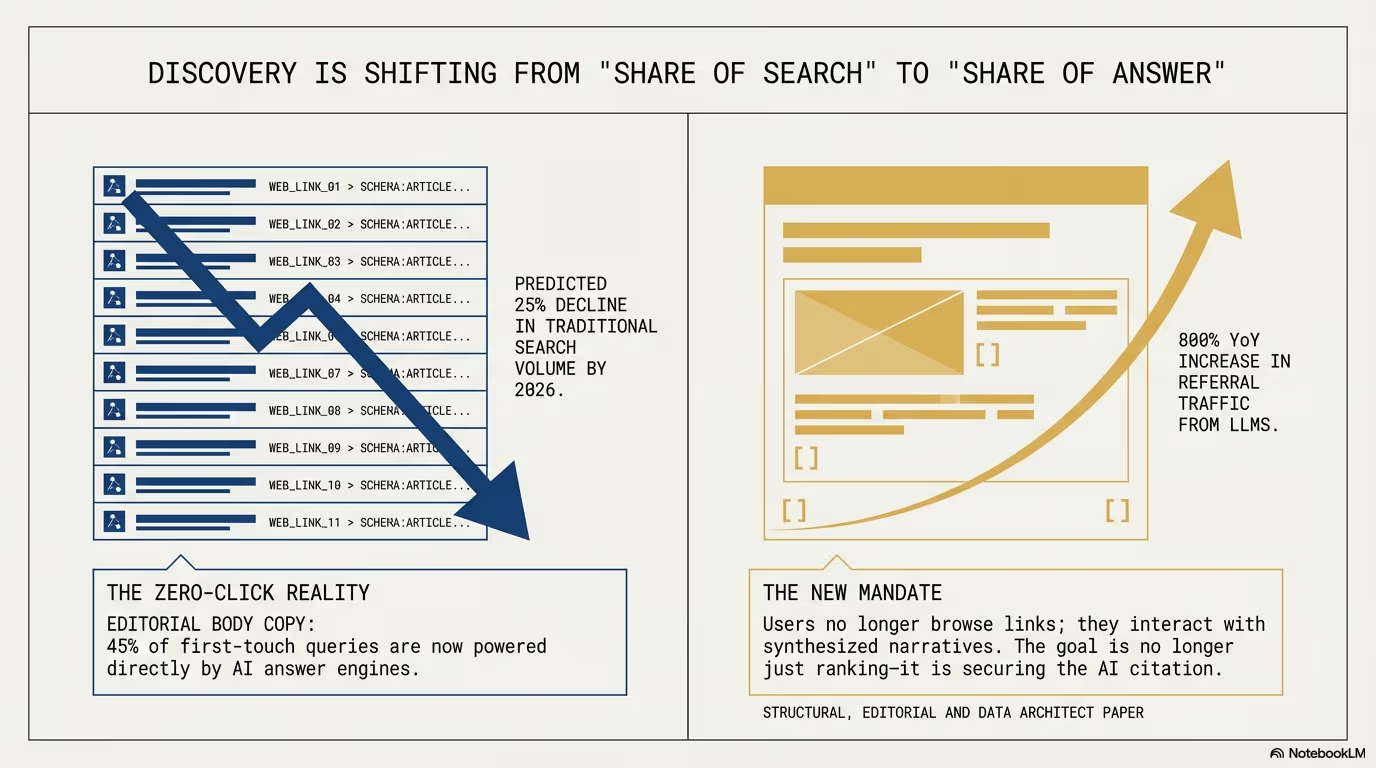
By 2026, AI search has replaced the blue link. Discover 7 data-backed truths about zero-click search, GEO optimization, and how to become the answer engines cite.

The Universal Commerce Protocol (UCP), launched by Google with Shopify, Etsy, Wayfair, Target and Walmart, lets AI agents complete purchases directly. What it means for your business and how to prepare.
A practical notes covering essential WordPress best practices for security, SEO, and performance using only core features.
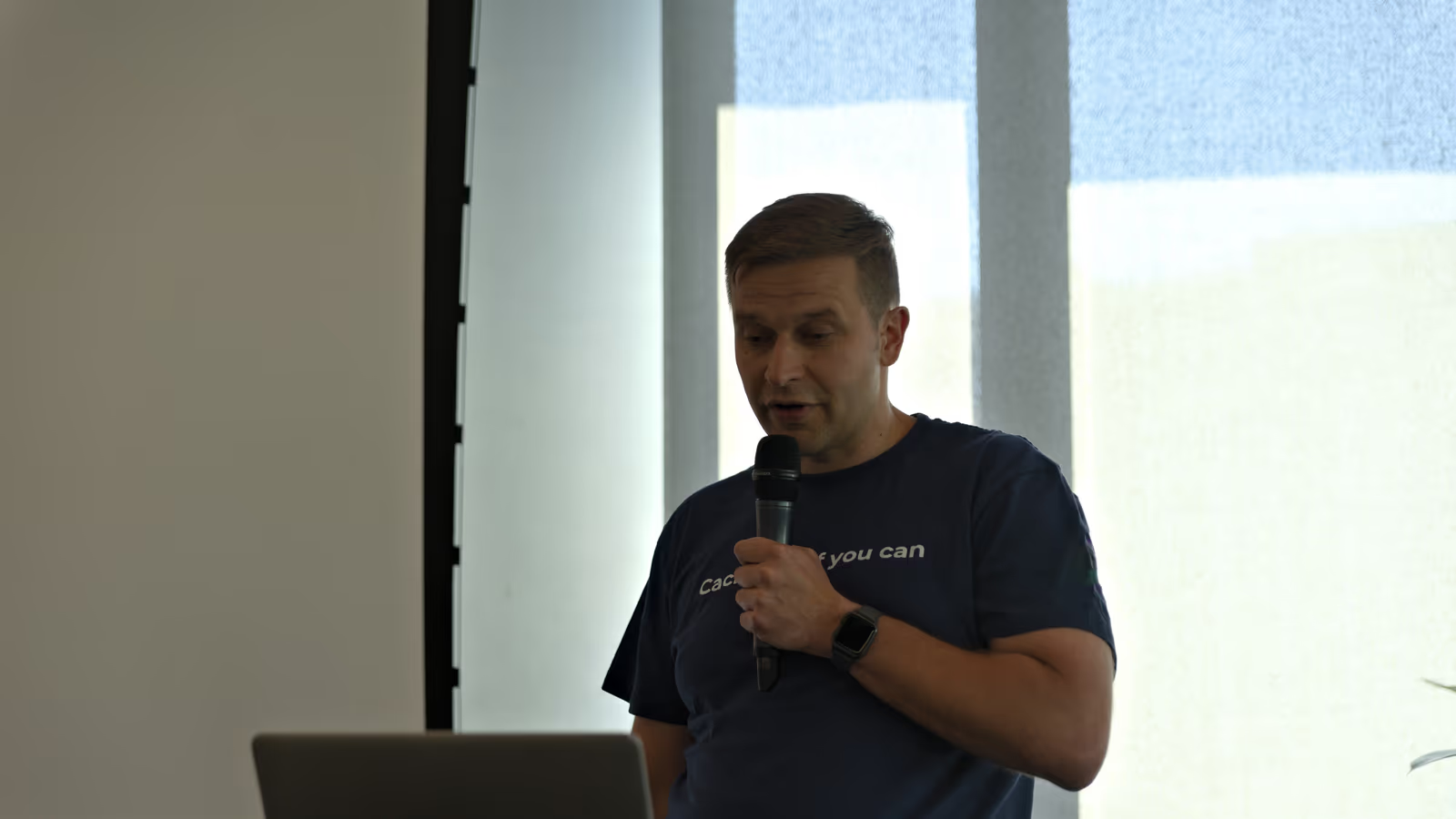
In 2026, many users never look at a screen. Learn how to optimize your WordPress site for Voice Search using Speakable Schema and AI-driven conversational SEO.

I published a "behind the scenes" article on how I am building the CMS Conf 2026 website, and it is much more than "just a landing page".
Why build one page at a time when you can build 10,000? Learn how to master Programmatic SEO in WordPress to dominate long-tail niches in 2026.

Google indexes the mobile version of every page. This guide covers what mobile-first indexing requires, the mobile Core Web Vitals thresholds, and the WordPress features and code that move LCP, INP, CLS and back navigation on phones.

How private blog networks operate, which digital footprints Google correlates, and which sustainable alternatives replace PBN tactics in 2026.

LLMO Executive Summary: Why your brand needs to be 'AI-Ready' now. A high-level strategic overview of Large Language Model Optimization.

Local SEO for brands with dozens or hundreds of locations: WordPress Multisite, LocalBusiness structured data, Google Business Profile rules, hreflang and location pages that stay clear of doorway abuse.

AI content creation in publishing has an ethics line. Disclosure, human oversight, source attribution and SEO safety practices for WordPress publishers in 2026, with EU AI Act, Google E-E-A-T and platform policies covered.
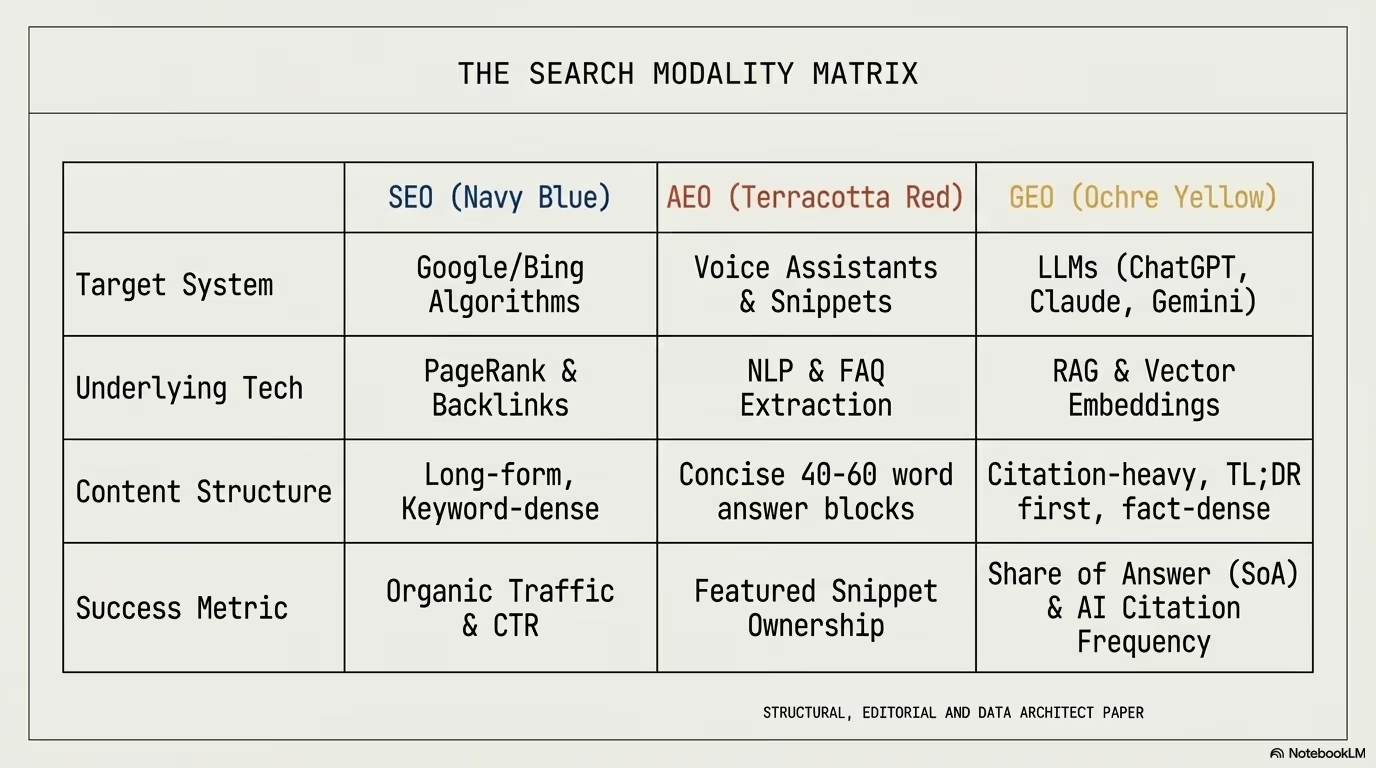
The complete technical specification for Large Language Model Optimization (LLMO). Deep dive into JSON-LD, vector embeddings, and retrieval architecture.

How to structure WordPress content for E-E-A-T signals, AI Overviews citation hygiene, author bios, and schema without chasing invented ranking claims.

There are many definitions of a backlink network, and almost everyone who has tried to systematise the concept would offer their own.
Search in 2026 is an answer engine. Learn how to optimize your WordPress site to be cited by Google SGE, Perplexity, and OpenAI.

In 2026, text is just the beginning. Learn how to optimize video content for YouTube, TikTok, and direct Google search integration using WordPress.

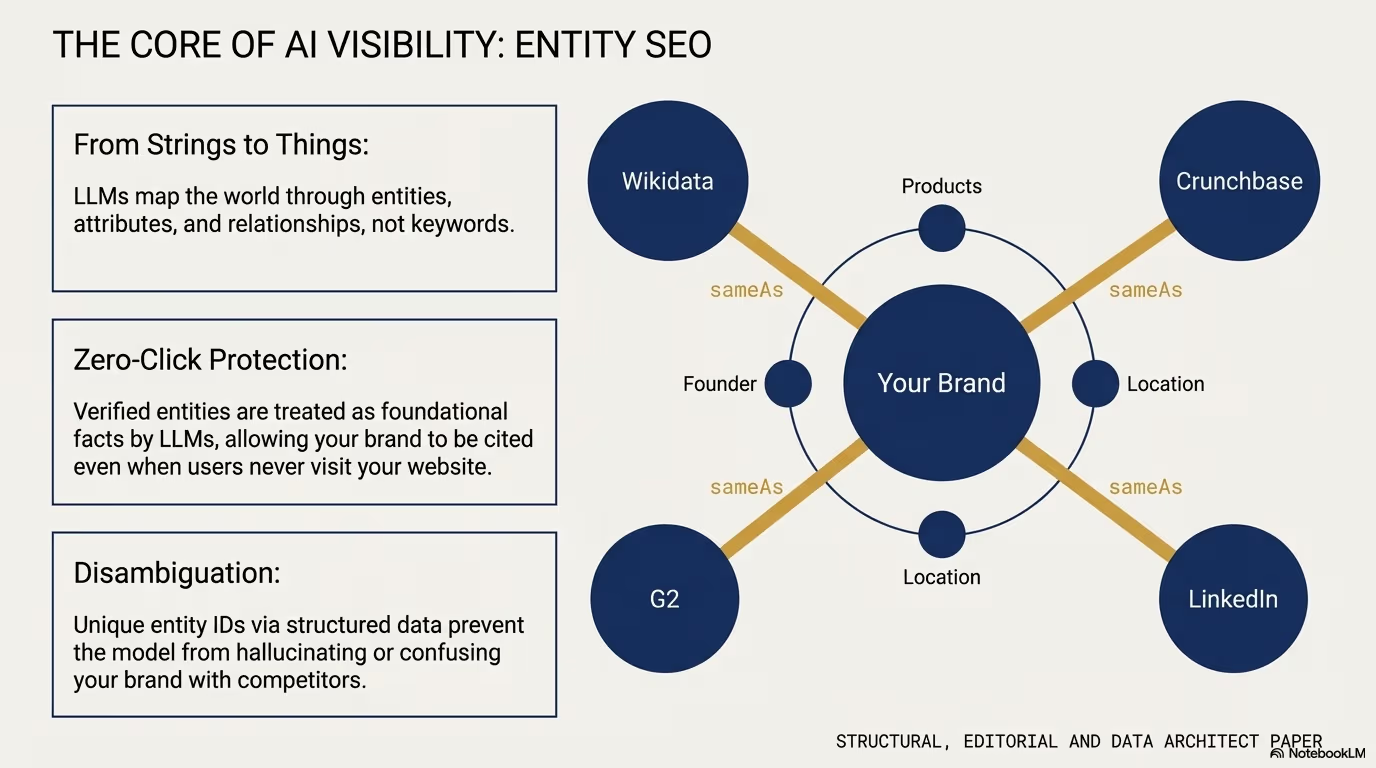
Keywords are no longer enough. Learn how to master Semantic SEO, Entities, and Knowledge Graphs in WordPress to dominate search in 2026.
Historical analysis of presell pages, Google Search Central spam policies (doorways, thin affiliate, cloaking), and safe sponsored content patterns for WordPress in 2026.
FID is dead. Interaction to Next Paint (INP) is the new standard for web interactivity. Learn how to master this 2026 ranking factor for WordPress.

A practical WordPress speed diagnosis: Core Web Vitals, caching, image optimisation, database load, hosting limits, and the fixes that usually move the needle.
A deep dive into the history of Black Hat SEO. What were Presell Pages, how did they work, and why using this technique in 2026 is a surefire way to get banned.

SEO is no longer just keywords; it is performance and architecture. We analyze which CMS platforms provide the strongest technical foundation in 2026.
How do you compete with AI-generated content? By building a Content Moat. Master Topical Authority for your WordPress site in 2026.

Practical guide to modern technical WordPress SEO in 2026: Semantic HTML, JSON-LD Knowledge Graphs, INP optimization, crawling budgets, and clean canonical architectures.
Technical notes on driving traffic and increasing webinar registrations - on-site optimization, external actions, and publication strategies.

What an auxiliary SEO link network is, how search history classified link types, and how Google link spam policies, SpamBrain, and rel attributes evaluate them today.
AMP is dead as an SEO tactic: Google ranks AMP like any page, Top Stories dropped the requirement in 2021 and Search skips the AMP cache since July 2026.
Learn how to reduce fake bot traffic in WordPress analytics with server rules, log review, and safer filtering practices.
Comprehensive WordPress admin guide. Learn how to secure your site without plugins, configure Google Search Console and speed up loading.

Learn how search engines evaluate outgoing links. Covers PageRank math, semantic relevance, link audits, and technical attributes.

Master Apache mod_rewrite with this comprehensive guide. Learn 301 vs 302 redirects, fix redirect loops, optimize performance, and implement secure URL redirections for WordPress.

Image dimension warnings in PageSpeed Insights are one of the leading causes of Cumulative Layout Shift (CLS). Learn how to fix them for WordPress.

Link building is dead. Discover the new era of Off-Page SEO: Digital PR, Brand Mentions, E-E-A-T signals, and why buying links will get you penalized.

Stop chasing high-competition keywords. Learn how to use Programmatic SEO to generate thousands of high-value pages and build Topical Authority.
What the Google Indexing API officially covers, how to debug Page indexing reasons in Search Console, and how to submit and monitor XML sitemaps through the Search Console API.
Does building your own PBN still make sense? How to safely build links in the era of Google AI algorithms.

Comprehensive guide to link building monitoring: comparing Ahrefs, SEMrush, Moz and Majestic, alert configurations, competitor gap analysis, toxic backlink audits, disavow workflows, and Google Search Console data.

Have a small local site? Don't fight Onet or Wikipedia for generic phrases. Learn the Long Tail and Topical Authority strategy.
A complete guide to link building through partner programs. Affiliate strategies, sponsored content guidelines, regulatory requirements, program management and case studies.
Building auxiliary SEO networks in 2026? Modern search evaluation models like SpamBrain penalize footprint patterns. Avoid these 7 link building pitfalls.
The "ping list" used to be the secret to fast indexing. Today Google relies on the Indexing API and XML sitemaps. Why did pinging fall out of use?

Compare Rank Math, Yoast SEO, All in One SEO, SEOPress and The SEO Framework to choose the best WordPress SEO plugin in 2026 for performance, features, and real-world SEO workflows.
Automated bulk submission is quickly detected by search engine crawlers, which makes the technique ineffective. How to build legitimate links through quality directories, NAP citations and local listings.
Complete guide to Google penalties in 2026. Understand SpamBrain AI detection, link spam updates, PBN identification methods, paid link penalties, the manual action recovery process, and how to protect your site from algorithmic demotions.

How to track backlink growth, quality, referral traffic and risk signals so link building stays measurable and recoverable in 2026.
Comprehensive technical guide on backlink taxonomy, link equity mechanics, rel attributes (dofollow, nofollow, sponsored, ugc), and toxicity risk evaluation.
Master backlink quality assessment in 2026. Learn to evaluate DA/DR metrics, measure topical relevance, analyze anchor text diversity, identify toxic links, and implement disavow strategies that protect your search rankings.
Master business directory submissions for local SEO in 2026. Covers Google Business Profile optimization, Yelp, Clutch, DesignRush, niche directories, citation consistency, NAP accuracy, and local ranking strategies.

The definitive link building guide for 2026. Master topical authority link building, digital PR, content marketing, guest posting, broken link building, resource pages, and HARO strategies that earn sustainable backlinks.
The definitive guide to social signals and SEO in 2026. Learn how social media impacts rankings through brand signals, content amplification, social proof for E-E-A-T, and cross-platform visibility strategies.
Why link exchange, link buying, and link schemes fail in 2026: Google's SpamBrain, manual actions, modelled penalty scenarios, and white-hat alternatives including content-driven link acquisition, digital PR, and topical authority.
How to earn editorial backlinks through digital PR without breaking Google's link spam policies. Covers journalist outreach, HARO after Connectively, original research, expert commentary, newsjacking, press releases, rel=sponsored for paid placements and how to measure PR links.

A link network (PBN) proposal prepared in 2009 for Mebelskol, a company that furnishes schools and offices, described point by point and assessed against Google's current policies on link spam, doorway pages and expired domains.
Practitioner notes on link building in 2026: which link types still work, which ones risk a penalty, realistic outreach conversion rates, and how to read Ahrefs and Majestic numbers without fooling yourself.

Internal and external SEO link network strategies in 2026: crawler optimization, canonicalization, XML sitemaps, breadcrumb hierarchy, and Google link spam policy evaluation.

A complete guide to social media strategy for WordPress sites. Learn platform optimization, social signals, content syndication and automation for maximum reach.