#Why does agentic commerce matter for a Düsseldorf shop?
Düsseldorf companies sell into rooms that mix German buyers, English-speaking exhibitors and partners who never open a browser the way a human does. Messe Düsseldorf runs international fairs on a fixed calendar, and the weeks around those dates push product pages, PDFs and enquiry forms harder than any quiet month. At the same time, shopping assistants and procurement tools expect structured catalogue answers, not a pile of HTML that changes with every theme update.
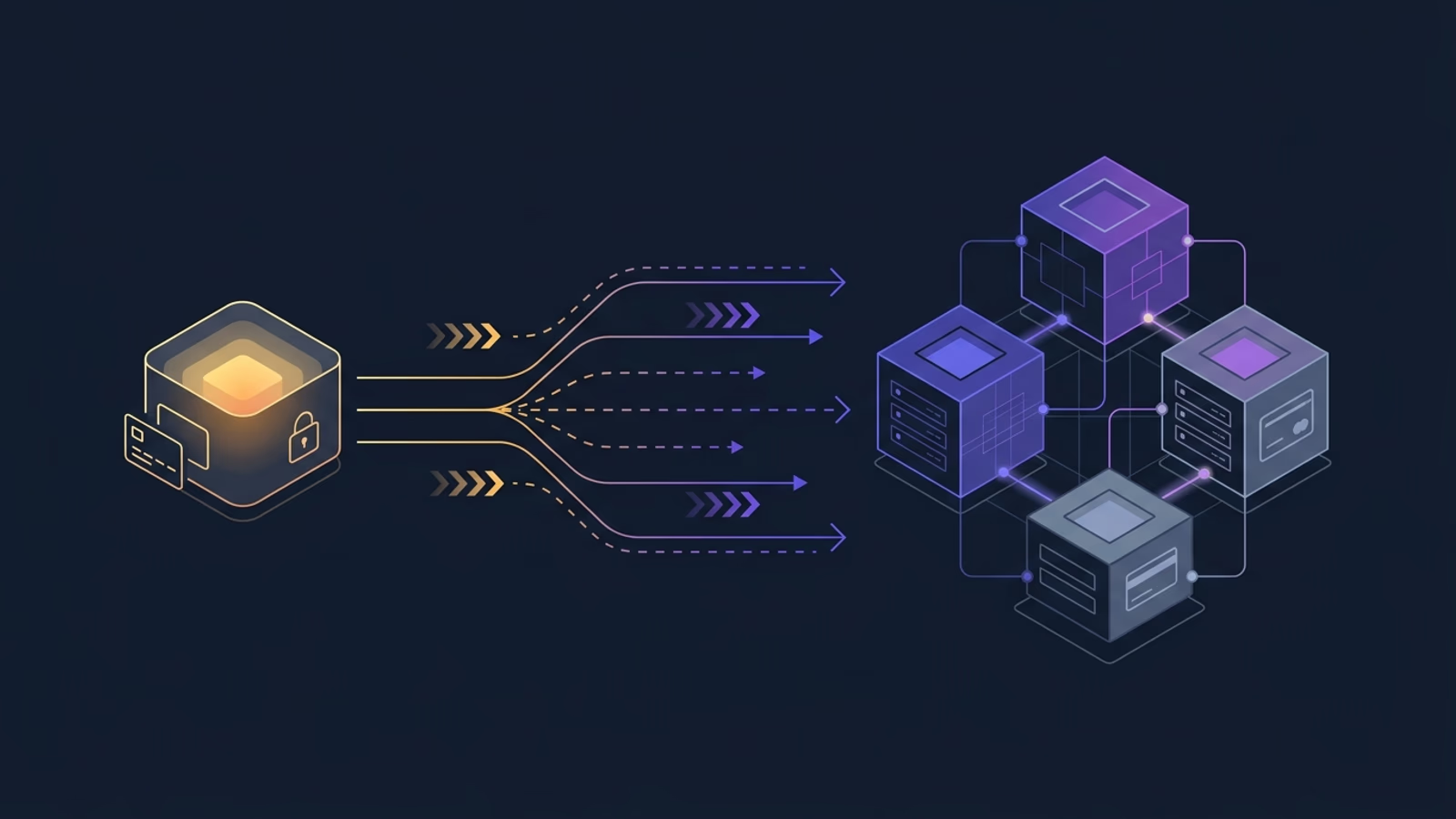
Universal Commerce Protocol (UCP) is an open protocol for that kind of agentic commerce. The project publishes date-versioned releases at ucp.dev; the latest release we track is v2026-08-25. Our Tech Radar still marks it Trial: there is no stable or GA label yet. That is why a Düsseldorf project starts with a pinned release, a narrow tool surface and a rollback path, not with a promise that the protocol will never change.
My name is Mariusz Szatkowski and WPPoland is my one-person company in Gdynia, active since 2006. I work for Düsseldorf clients remotely and in writing. Düsseldorf and Gdynia share the same time zone, so there is no schedule shifting. Scope, schedule and contract go by email, and you review the work on a staging environment. I do not offer on-site meetings. The general description sits on the Universal Commerce Protocol service page; this page covers what readiness means for a company in Düsseldorf.
#What stays in WooCommerce, and what gets exposed?
WooCommerce remains the system of record for products, stock, carts and orders. UCP readiness does not mean throwing away the shop or moving the catalogue into a side database that marketing cannot edit. It means describing the same catalogue in a form agents can call: identifiers, prices with tax context, availability, shipping constraints and the steps that create an order.
In practice I start with an audit of attributes and gaps. Incomplete attributes, mixed units, missing GTIN or manufacturer fields, and category trees that exist only as menu labels all break agent answers. Fixing those fields in WooCommerce helps humans and agents at the same time. High Performance Order Storage, clean webhooks and a short plugin list keep the shop predictable while tools run against it.
Payments and personal data stay behind human-controlled flows. An agent may help assemble a cart or answer a product question; it does not silently charge a card or invent a legal basis for profiling. Where profiling or automated decisions would touch Article 22 GDPR territory, I stop and write what needs a legal review. Your adviser decides; I implement the technical gates they ask for.
If the shop itself is unstable, UCP is the wrong first project. Start with the WooCommerce developer in Düsseldorf page, or with WordPress maintenance and support in Düsseldorf if updates and backups are the real risk.
#Trade fair peaks and agent traffic
A fair has a fixed date, which is an advantage. Traffic rises before opening, peaks during the fair and falls afterwards. Visitors are often new, and so is automated traffic: scrapers, lead harvesters and competitors collecting ranges. Agent-readable surfaces make legitimate assistants useful, and they also make careless exposure expensive if you publish more than you intend.
My preparation has five steps.
First, I list the product and landing pages that fair visitors actually reach, and I make sure those records are complete in WooCommerce.
Second, I keep checkout, payment and lead forms at the origin with clear failure messages. An agent that can describe a product but cannot hand off to a working form wastes the enquiry.
Third, I rehearse the burst on staging: warm cache, cold cache, and a short load test that shows where the origin breaks first.
Fourth, I add rate limits and authentication on the UCP surface so a scraper cannot treat your tool endpoint as an open API.
Fifth, I agree what happens after the fair: keep the surface, narrow it, or roll it back using the documented path.
Edge caching for anonymous HTML is a separate layer, described on the Cloudflare Workers page for Düsseldorf. Many exhibitors need both: edge for brochure pages, UCP readiness for catalogue questions.
#English and German storefronts
Düsseldorf offices often run German and English as working languages. Each storefront version needs its own URL and hreflang annotation. Agents must not be steered only by IP geolocation: an English-speaking manager in Düsseldorf wants English, and a German buyer abroad wants German.
I keep language choice explicit and crawlable. Tool responses that return product copy should name the language of the string, and editors should own translations rather than relying on a silent machine pass. Technical products carry units, certifications and datasheet conventions that differ by market; I wire the fields, and your specialists write the wording.
#German consent, accessibility and processor contracts
Germany regulates cookies and similar technologies in section 25 of the TDDDG. Consent is required before storing or reading information on a device, with exceptions for transmission and for what a requested service strictly needs. The language of the page does not change the rule. For Düsseldorf, the state authority is the Landesbeauftragte für Datenschutz und Informationsfreiheit Nordrhein-Westfalen.
What this means for a UCP project:
- Analytics and advertising scripts stay blocked until consent. Declining consent must leave a working shop, not a broken layout.
- Session cookies needed to keep a cart may be justifiable as strictly necessary; measurement cookies are not.
- Third-party fonts, maps and video embeds loaded at page view often bypass banners. I list them and either delay them or host them yourself.
The General Data Protection Regulation governs personal data. Processors need Article 28 contracts. I design tool endpoints to touch as little personal data as possible and write a short data-flow note for your records of processing. Transfers outside the EEA fall under Chapter V; whether a given setup satisfies it is a legal question for your adviser.
Accessibility for consumer shops increasingly follows the Barrierefreiheitsstärkungsgesetz (BFSG) where it applies. I test keyboard use, focus and form errors on checkout and enquiry forms. Whether your company is in scope is a legal question; the technical work still helps every customer.
Impressum and provider information under the Digitale-Dienste-Gesetz (DDG) stay on every template, including campaign landings that marketing spins up for a fair.
#When UCP readiness is the wrong project
A consultancy site with a dozen pages and a contact form does not need agentic commerce. A shop with broken stock sync, three overlapping SEO plugins and no staging environment needs those fixed first. I decline work that would leave you with an unmaintained tool surface sitting in the request path of a business that has forgotten it.
If a project cannot fund upkeep, the responsible answer is not to build it. The audit exists to give that answer early, for a small engagement, instead of late and at great cost.
Yes. The Düsseldorf WordPress Meetup has a group page on Meetup.com at Düsseldorf WordPress Meetup, which I checked while preparing this page. The page states that events and registration have moved to wpdus.de. I have not attended it, so I cannot describe its events. I organise the WordUp Trojmiasto meetup in Gdynia, a role I have held since 2015, and I was among the organisers of the first bilingual WordCamp in Poland in 2025, listed on the WordCamp Gdynia 2025 organisers page.
#What should you send in the first email?
- the address of your shop and the dates of the fairs or campaigns that matter,
- which languages you sell in, and who edits product copy,
- whether stock and prices come from an ERP, and how often they sync,
- access to staging, analytics or Search Console if you can share them,
- any contract or compliance rule about where data may be processed,
- the date by which something must work, and the reason for that date.
If a point is missing, I will write back what is missing and what it means for scope and schedule.
#How do I work with Düsseldorf clients?
I work as a company, with a contract and an invoice. The process stays in writing:
- You send the first email with the points above.
- After I review the shop and measurements, you receive a scope, a schedule and a contract.
- I build the pinned UCP surface on staging, which you review and comment on in writing.
- After launch, documentation and access stay with you, and I compare the effect with the measurements taken at the start.
Quotes are individual and depend on the scope of the surface. After the pilot, every stage is a checkpoint at which you can stop, keep the gains and the documentation, and owe nothing further. No prices on this page. You can send the first email through the contact page.