Who hires a WordPress freelancer?
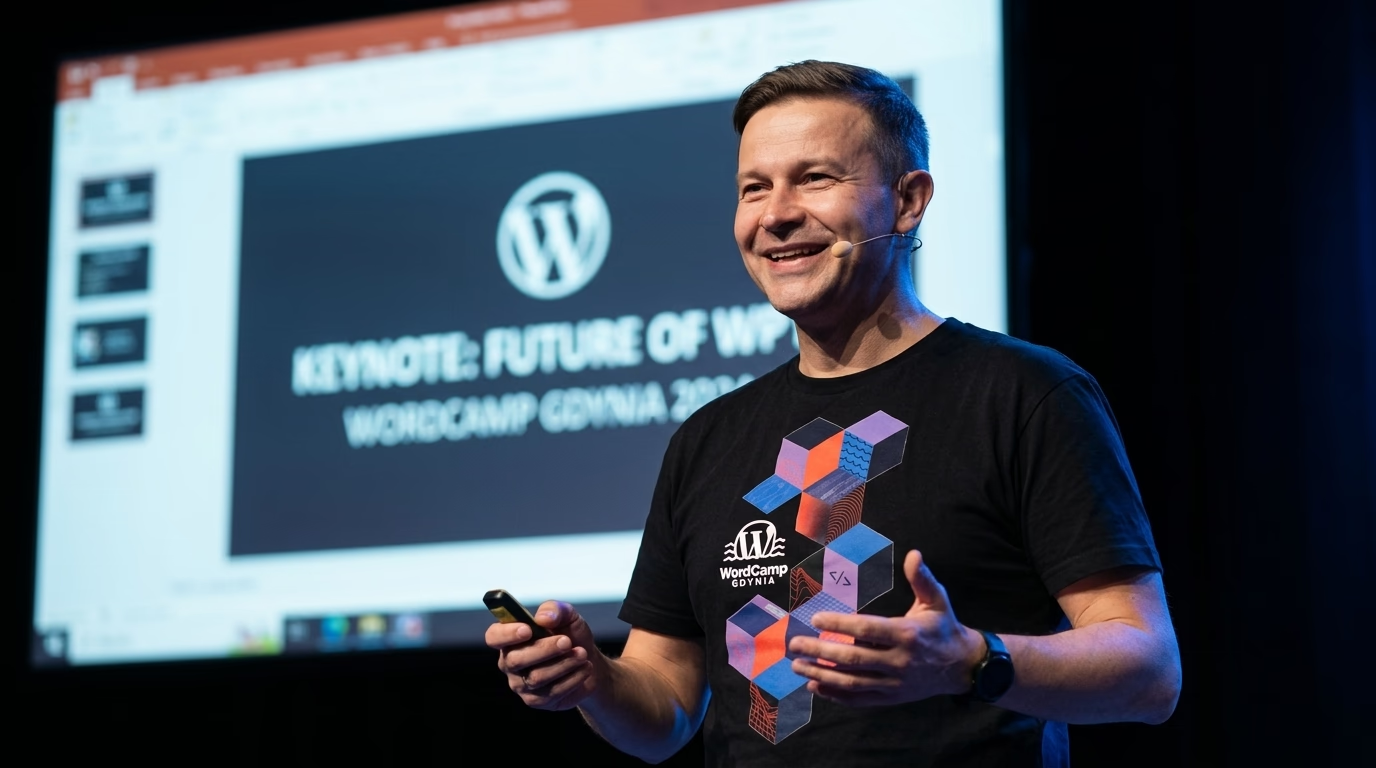
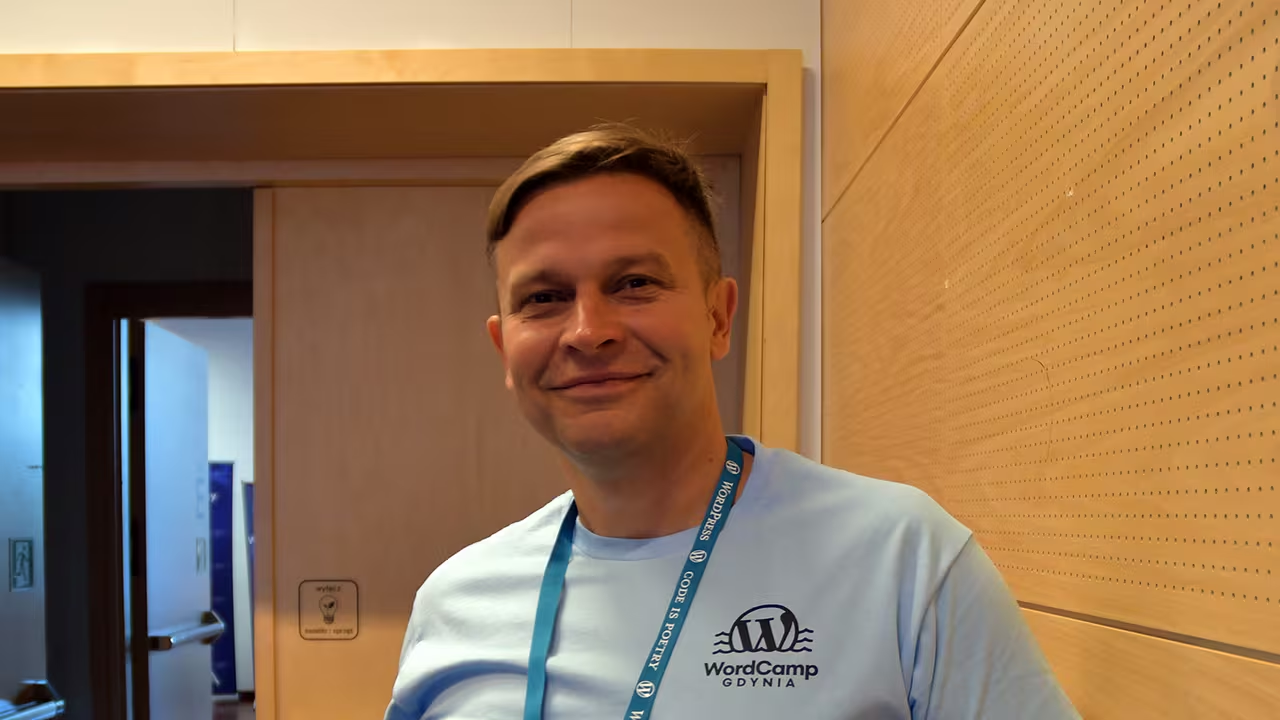
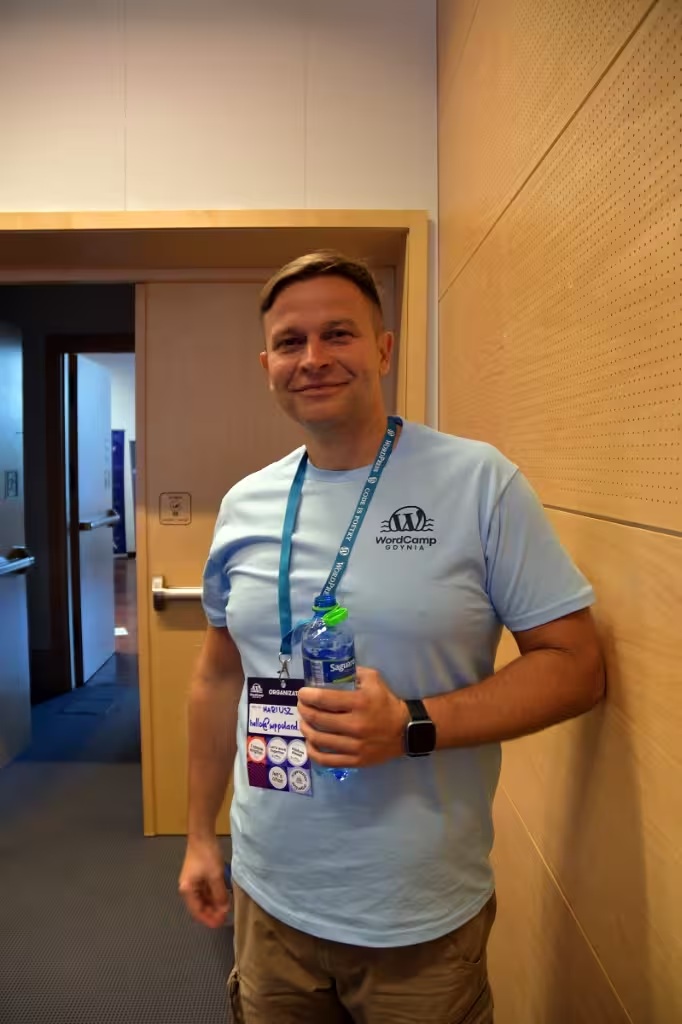
I am Mariusz Szatkowski, a WordPress developer since 2006. I work alone, remotely from Gdynia, Poland: white-label for agencies or directly for companies. The NDA is signed before kickoff and the code sits in your git from the first commit.
Most of my work comes from three kinds of client:
- Agencies and design studios that sell WordPress builds and need a senior developer for the busy months without hiring one.
- Companies with a site that already earns money and needs a WooCommerce extension, an ERP or payment integration, or someone to keep it updated.
- Small teams with a clear product and no developer on staff, who want a defined project with a fixed scope.
You or your agency supply the wireframes and the graphic design. I build them into a responsive WordPress theme. I do not design.
What does a WordPress freelancer do, and what can’t they offer?
The core is engineering. Custom themes built from a Figma file, child themes that survive parent updates, and a custom plugin only when no existing plugin handles the client’s business logic. WooCommerce builds with real catalogues, API integrations with the CRM or ERP the client already runs, migrations between hosts and from other CMSs, multisite, multilingual setups, Core Web Vitals work and clean-up after a hack. The wider service list is on the WordPress developer page.
For ongoing care I run uptime checks every 1 to 5 minutes, keep backups for at least 30 days in EU countries, and test updates on staging before they reach production. Before I get access to a site that holds personal data, I sign a processing agreement under Art. 28 GDPR. I use no sub-processors.
What one person cannot honestly offer: 24/7 on-call cover or guaranteed response times. If your contract with the end client requires either, buy it from a team with a rota. The same goes for a formal QA department and graphic design.
Freelancer vs agency vs in-house developer
An agency gives you a project manager between you and the developer, formal QA and a bench. If the assigned developer leaves, someone else picks the work up. That continuity is built into the rate, which also covers sales, office and the time people spend between projects.
An in-house developer fits when the work is continuous and the product is yours. You pay salary, employer taxes and equipment in quiet months too, so for agencies with uneven project flow the numbers rarely work.
A freelancer sits between them. You talk directly to the person writing the code, and the rate carries no overhead beyond one person’s tools and accounting. The trade is depth: when I take a week off, get ill or volunteer at a WordCamp, your project slows down. I have no stand-in, so the work is set up for someone else to take over. Code lives in your git from day one, deploys run under your hosting account, and a handover document covers architecture, third-party accounts and the deployment steps.
White-label WordPress outsourcing for agencies
The typical case: autumn relaunches and pre-Christmas shop work land at the same time, and the agency’s senior developer role is still unfilled. The setup is the same each time:
- The NDA is signed before I see the specification or the client’s name.
- I work through pull requests in your repository and your team reviews them.
- Deploys run under your hosting credentials, whether that is WP Engine, Kinsta, a managed VPS or your own server.
- The invoice goes to the agency, never to the end client. My name and logo appear nowhere in the delivered work.
- I talk to the end client only if you explicitly ask me to.
Communication runs by email, written documents and the repository, so every decision can be found later. If you need a phone call, ask. Agencies that want a standing package rather than one-off jobs can use the agency development desk. If you are taking over an existing WordPress or WooCommerce stack, start with a WordPress migration assessment.
Your next build, shipped under your agency name
If your pipeline just landed more WordPress work than your team can absorb, send the scope or the design files you already have from your client. The NDA is signed before any code is shared, the work happens in your repository and hosting account, and the invoice comes to the agency. You get back a written estimate with its assumptions and a proposed start date.
Check subcontracting capacityWhat are WordPress freelancer pricing and rates?
There is no package price list. I quote each job after the brief:
- Fixed price for a defined scope, such as a new theme from Figma, a migration from Wix or a plugin for one business process, invoiced in stages.
- Hourly for ongoing or open-ended work, invoiced at month end against a tracked log.
- Monthly care plan for maintenance. Unused hours expire at the end of the month and do not carry over.
If a fixed scope starts to grow, I flag it before the next invoice, not after. Indicative figures are on the pricing page.
On projects longer than a few days I ask for a deposit of 30 to 50% depending on the project, and work starts once it has arrived. Payment terms are 14 days; agencies can ask for 30. Companies in the EU, Ireland included, receive a EUR invoice under the reverse charge with my EU VAT ID PL7393037445 and theirs. Clients outside the EU, the UK included, pay by bank transfer, Wise or Revolut in EUR or USD. Contracts are under Polish law.
Code you can hand to someone else
I follow the WordPress Coding Standards and check compatibility with current PHP and WordPress versions. Visual changes go into a child theme, never into the parent. Where a few lines of code do the job, I do not add another plugin. Many sites I take over still work but carry dozens of plugins and edits made directly in the theme, so every PHP update is a gamble. The code I hand over is written so that the next change can be made by anyone, not only by me.
About me
I have worked with WordPress since 2006 and commercially as WPPoland since 2007, building sites and shops for companies in Poland, Germany and Scandinavia. Outside client work I co-organise WordCamp Gdynia and WordCamp Poland and sit on the WordCamp Europe budget team.
What to put in your first message
A few sentences are enough: who the site is for (you, your agency, an end client), what it should achieve, whether the design is ready, roughly how many pages and languages, which integrations (payments, newsletter, ERP, CSV product import) and the deadline. For a migration, add the current system and whether URLs must stay. You get a written quote with the assumptions it rests on. Write to me through the contact form.