What humanizer, miodkuj and unslop actually do, what their evaluations prove, how to gate docs and blog posts in CI on hard findings only, and how to share one skill across Claude Code, Codex and Cursor with symlinks.
Notes from client projects: WordPress and WooCommerce, headless, AI in development work, SEO and performance.
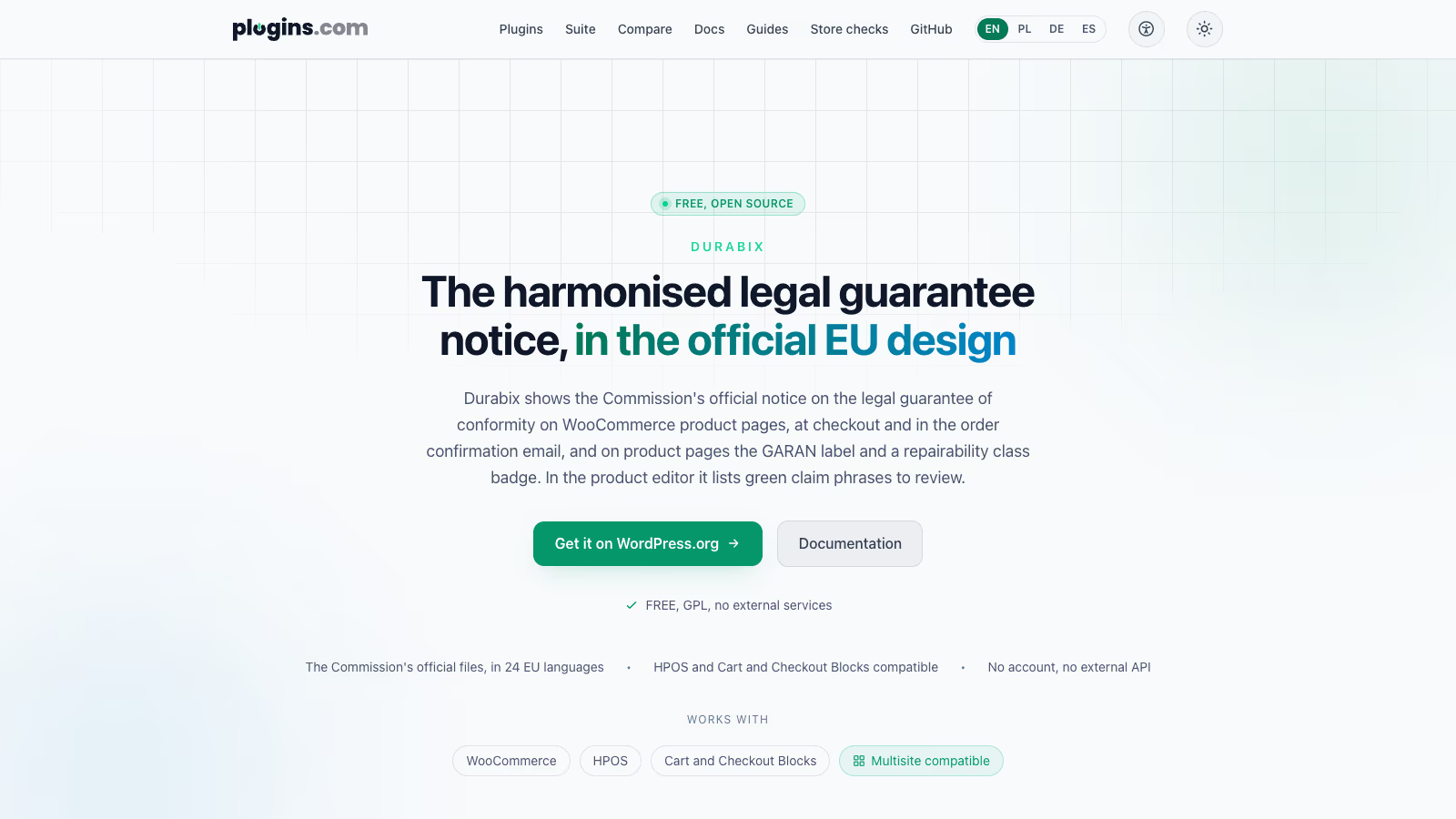
From 27 September 2026 an online shop selling goods to consumers in Ireland must show the EU harmonised notice on the legal guarantee, and the GARAN label where the producer offers a durability guarantee. What S.I. No. 124/2026 changes, where each element goes and how to build it in WooCommerce.
What humanizer, miodkuj and unslop actually do, what their evaluations prove, how to gate docs and blog posts in CI on hard findings only, and how to share one skill across Claude Code, Codex and Cursor with symlinks.
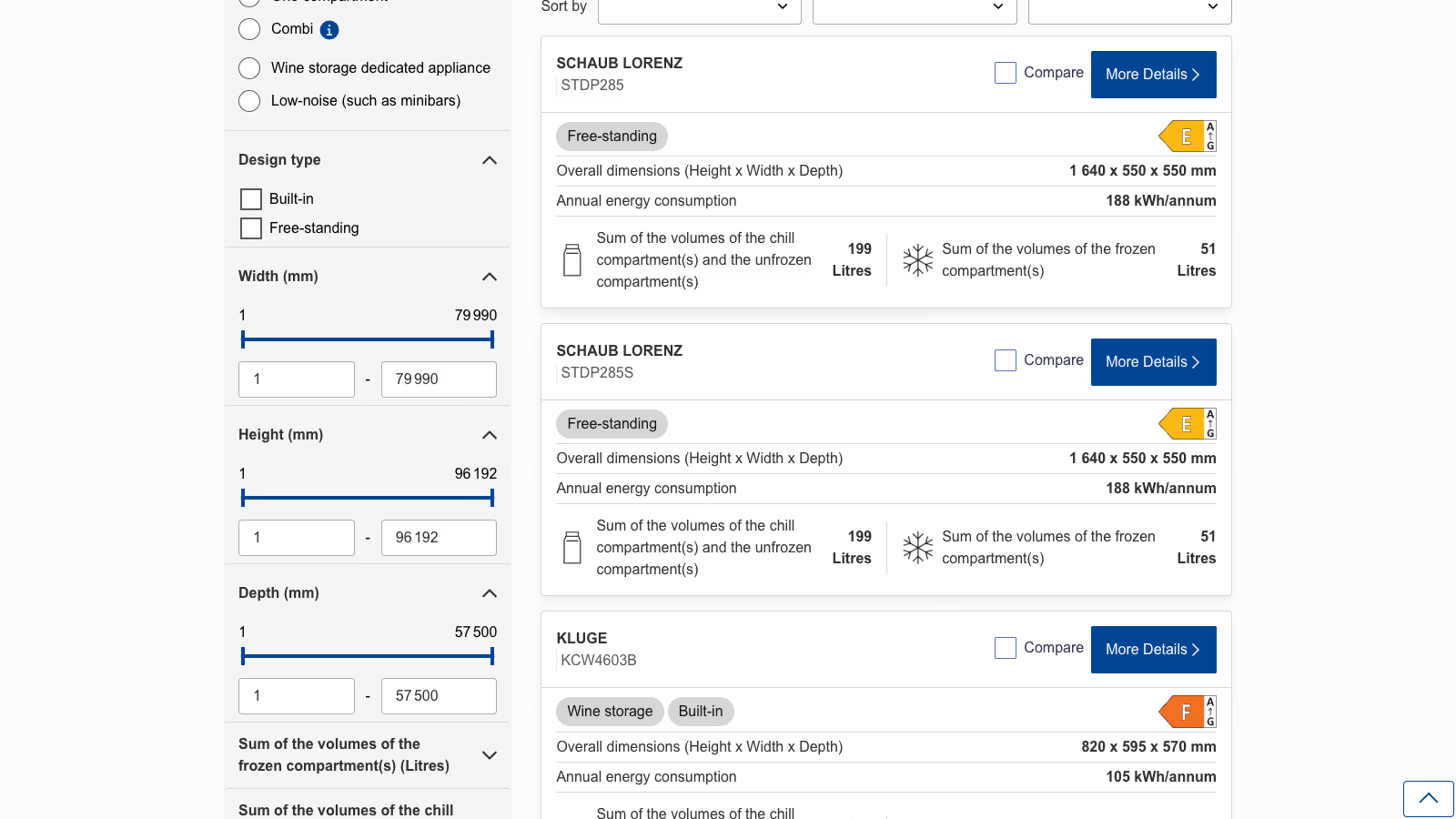
Which products need an energy label online, what must sit next to the price, how the product information sheet and EPREL fit in, who enforces it in Ireland and the UK, and how to build it in WooCommerce and Shopify.
A COPYTRACK or Pixsy email says an image on your WordPress site is unlicensed and asks for a fee. How to check the claim, what UK and Irish copyright law says about damages, how to find the image in WordPress, and how to reply without admitting anything.
The DreamHost File Manager breach of 2026 as a worked example: which credentials to rotate in which order, how to check WordPress for changes with WP-CLI, and when a shop in Ireland or the UK must report under GDPR.
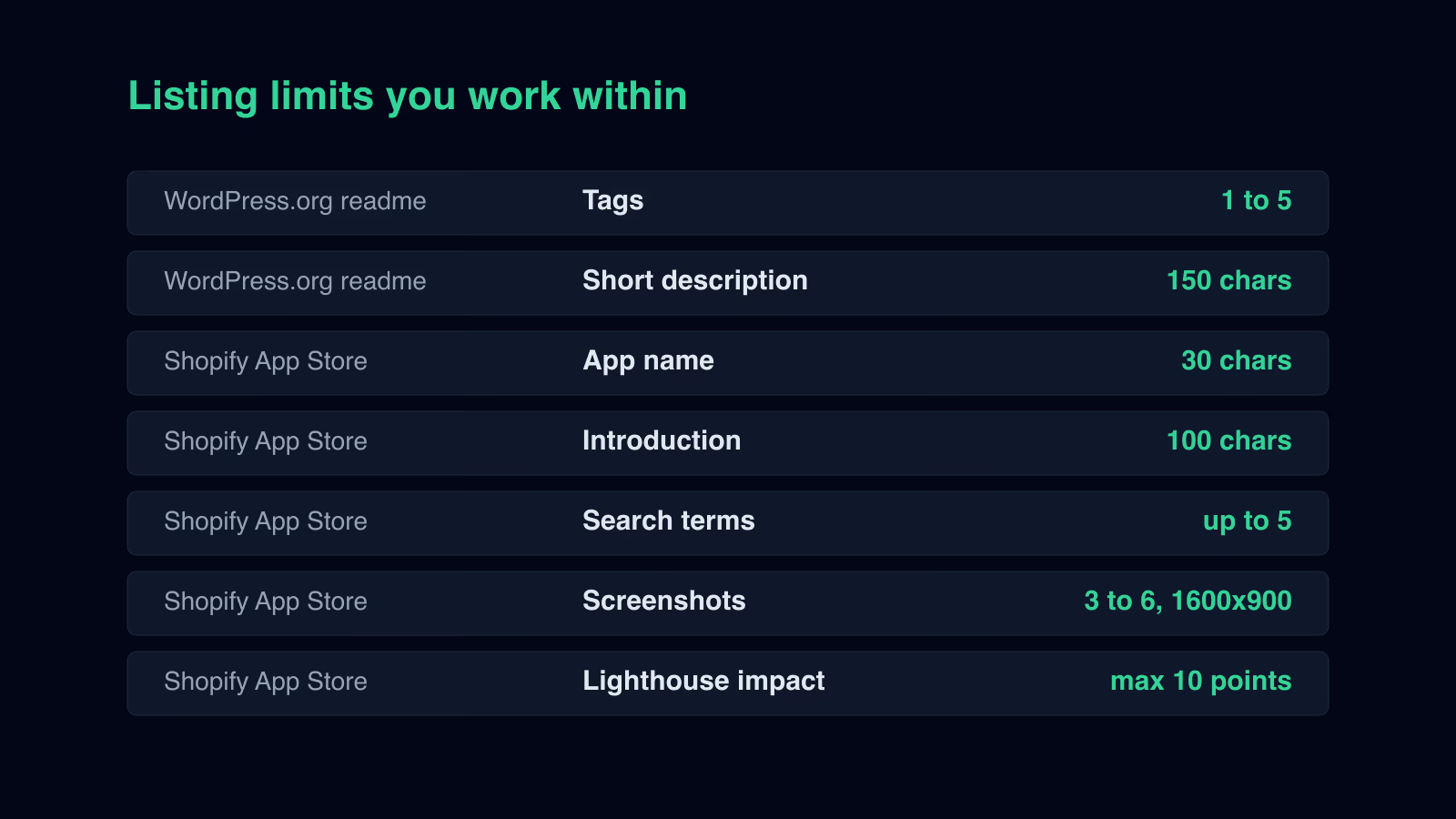
A go-to-market procedure for WooCommerce plugin and Shopify app makers: measure first, fill every listing field to the documented limits, instrument onboarding, and turn each release into content.
A complete technical guide to self-hosting Google Fonts in WordPress and WooCommerce. Legal analysis of the LG Munich ruling, Art. 6 GDPR requirements, OMGF vs Shoplex, and zero-leakage font delivery.

Barn2's HTTP Archive analysis puts Shopify ahead of WooCommerce in the UK. What the numbers measure, why Ireland is missing, and how payments, e-invoicing dates and ownership change the choice for a UK or Irish shop.
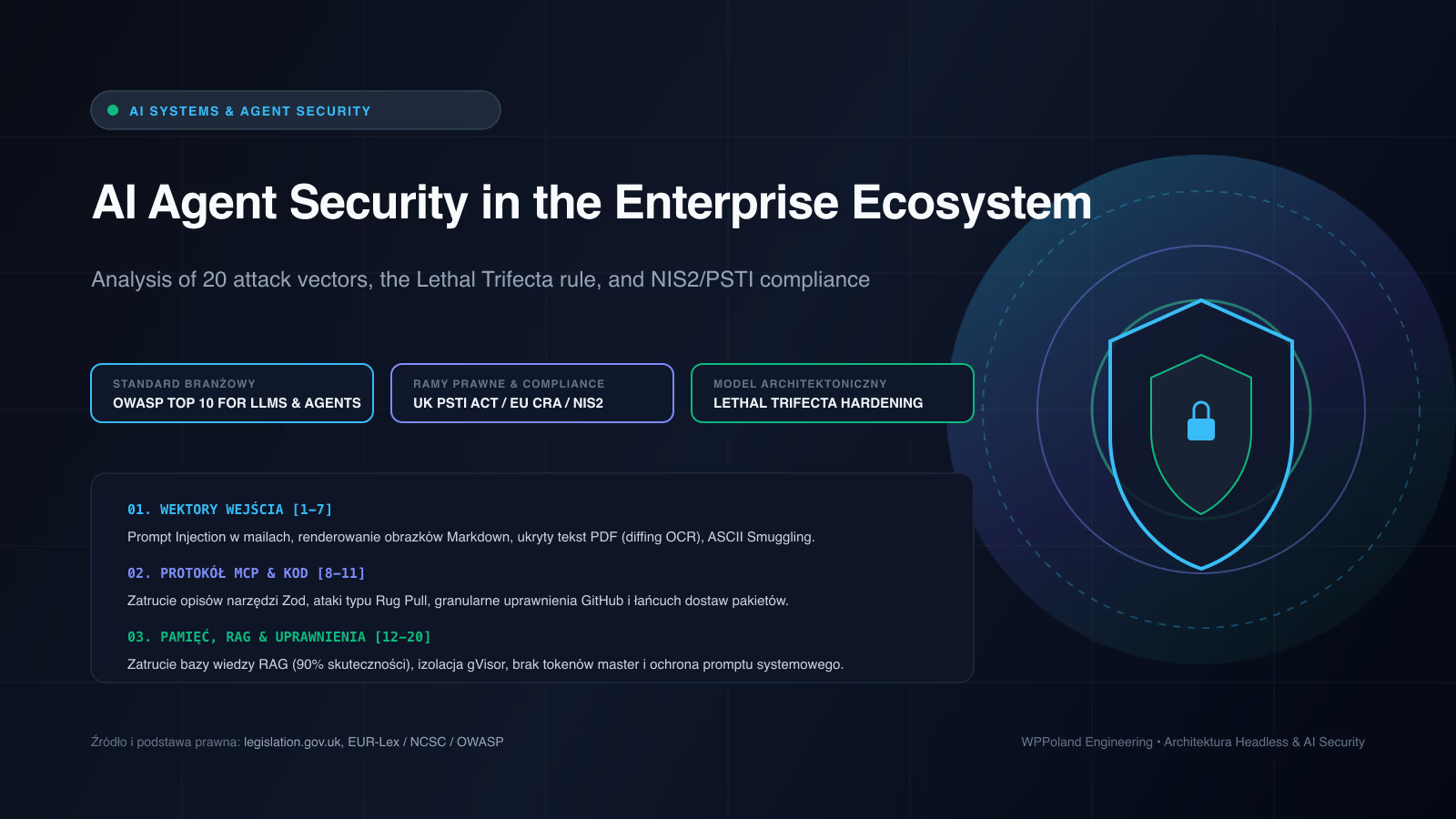
Technical analysis of 20 attack vectors against AI agents and LLMs: prompt injection, lethal trifecta, RAG poisoning, MCP servers, and NIS2/PSTI compliance.
Technical analysis of Google AI Mode: over 1 billion users, the new Search Console Generative AI report, query fan-out mechanics, agentic checkout, and ranking factors.
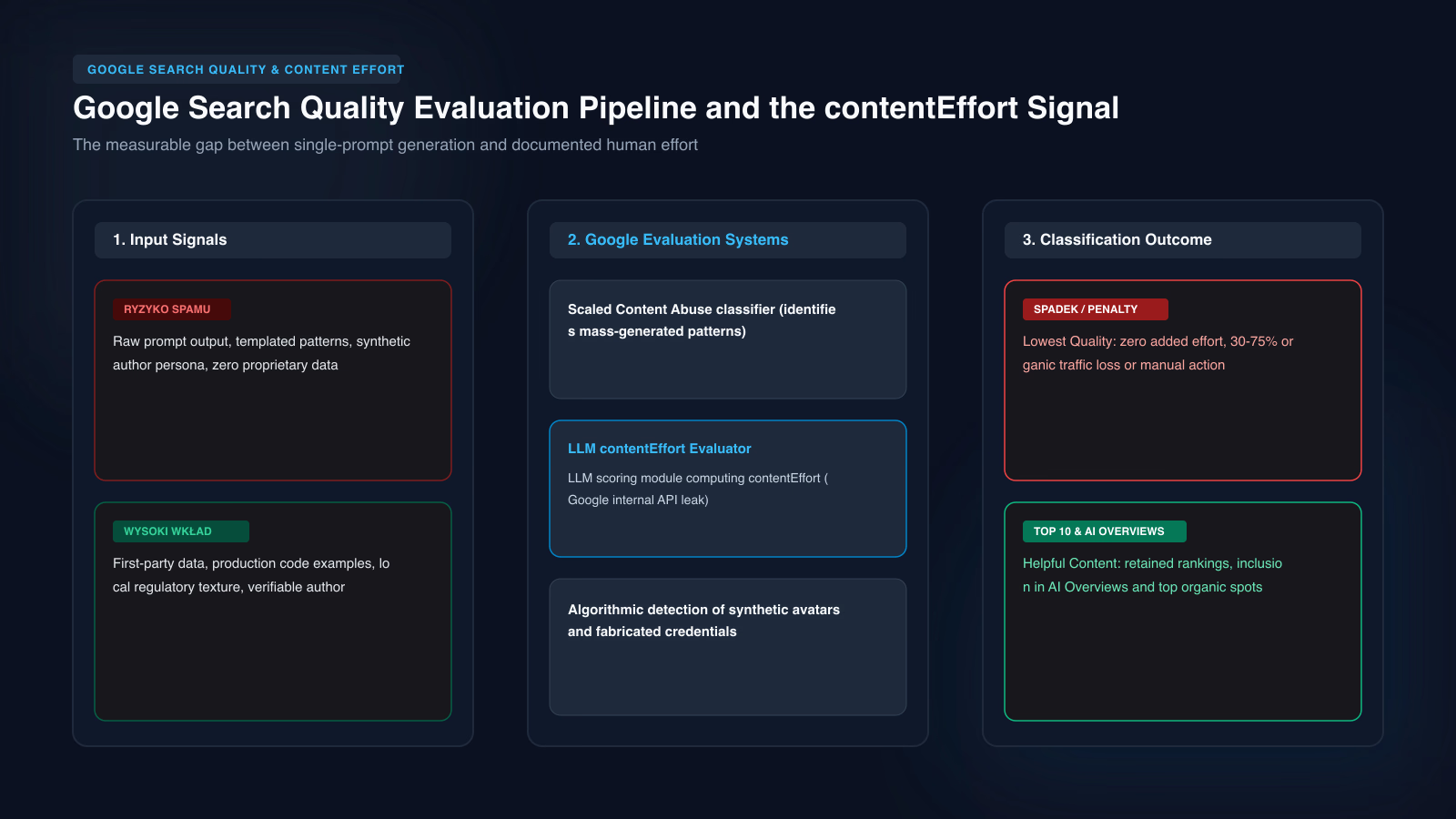
Google tightens spam policies against mass-produced AI text. We explain the contentEffort metric from the algorithm leak, examine Ahrefs and Lily Ray data, and show remediation steps for local and glossary pages.
Ireland's Re-turn deposit, the UK scheme due on 1 October 2027 and the EU schemes your parcels may cross into: what the law says an online drinks shop must charge and display, how VAT treats the deposit in each country, and how to build it as a WooCommerce cart fee.
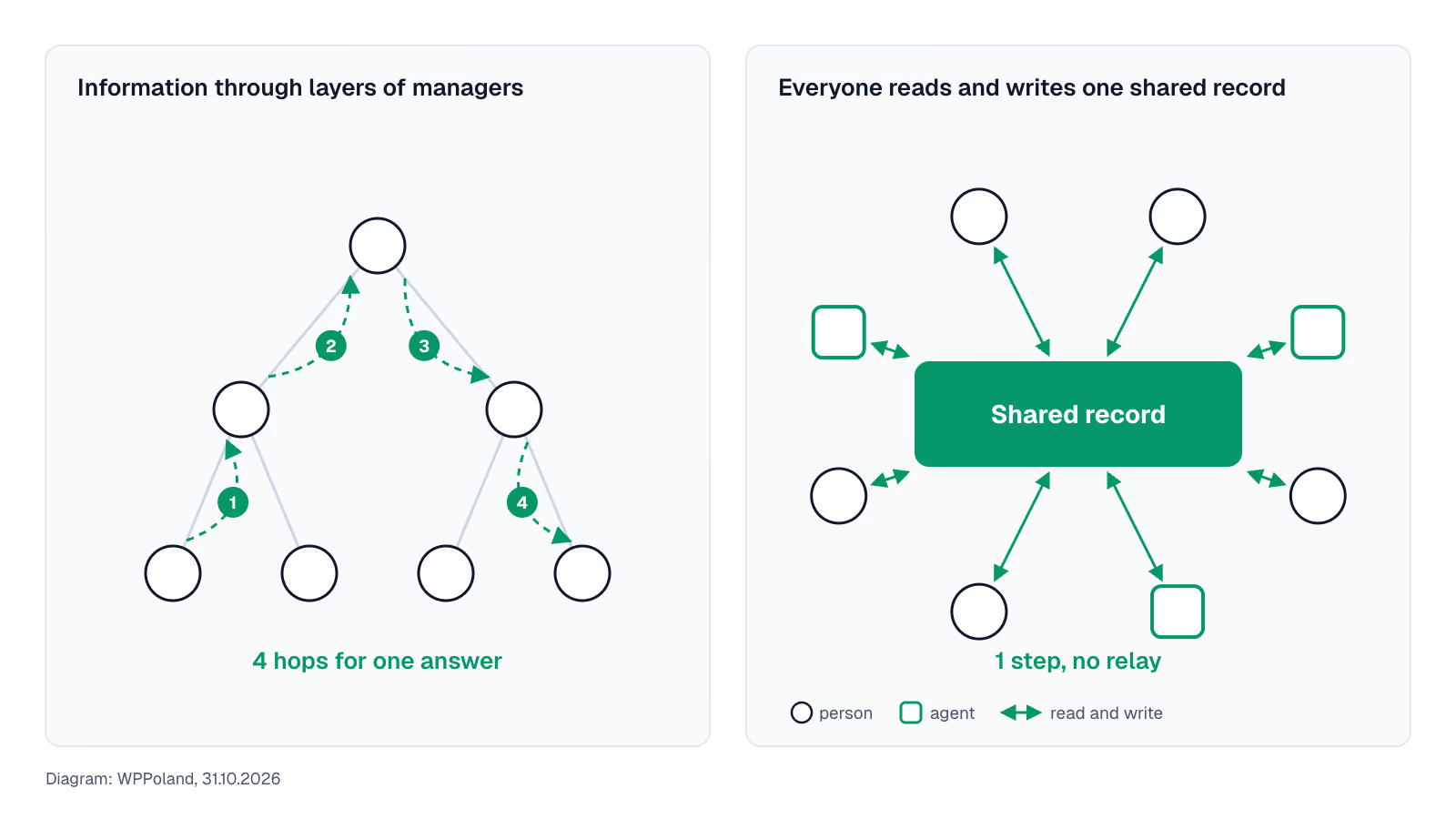
Databricks calls the data platform behind agents a system of record. What an AI agent needs to work inside a UK or Irish shop or service firm, mapped onto WordPress and WooCommerce, with a 90-day plan and what not to do.
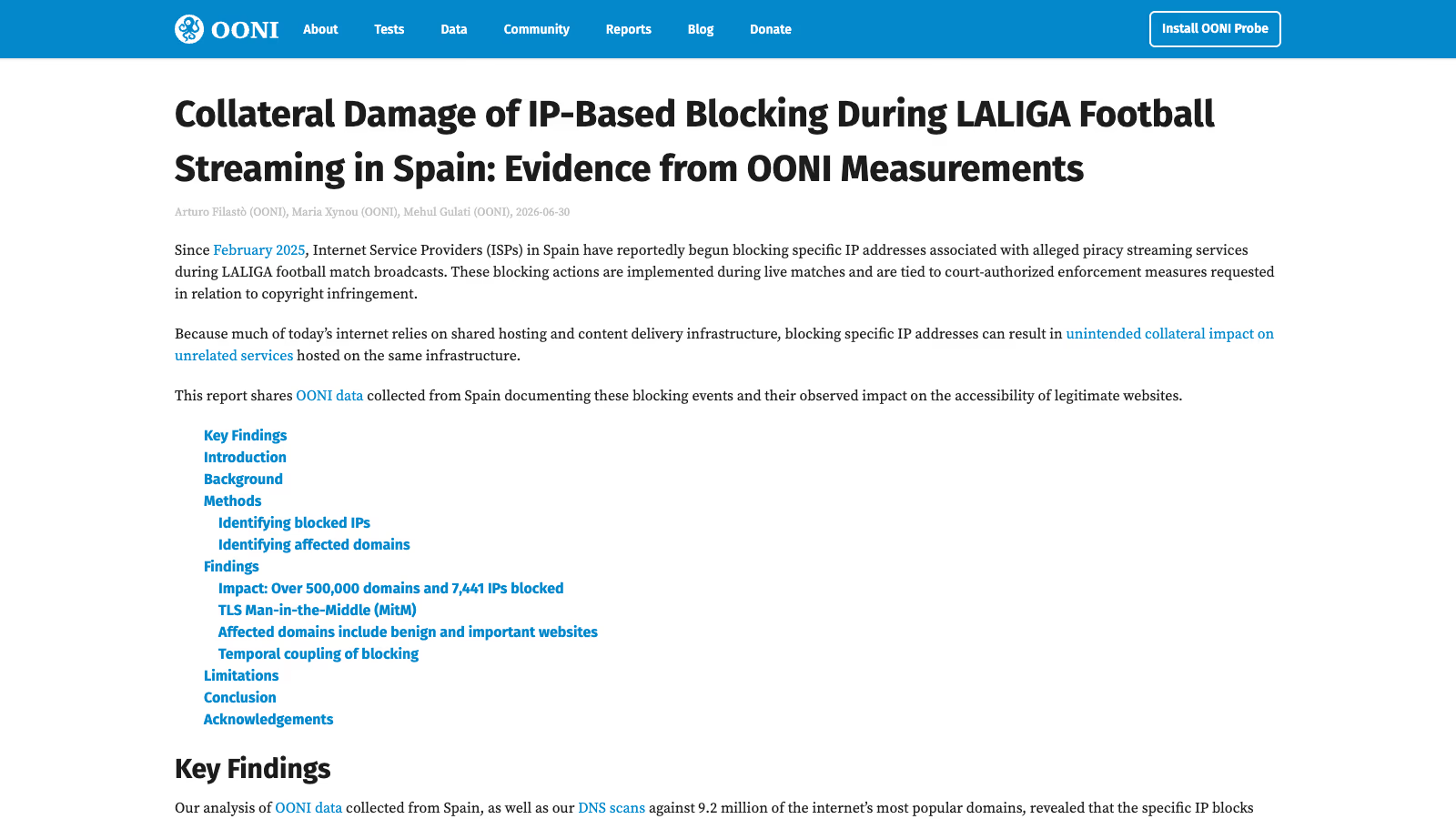
During LaLiga matches, Spanish ISPs block IP addresses shared by hundreds of thousands of sites. How a UK or Irish store selling into Spain can tell if it is affected, measure it from Spanish networks and decide what to change.
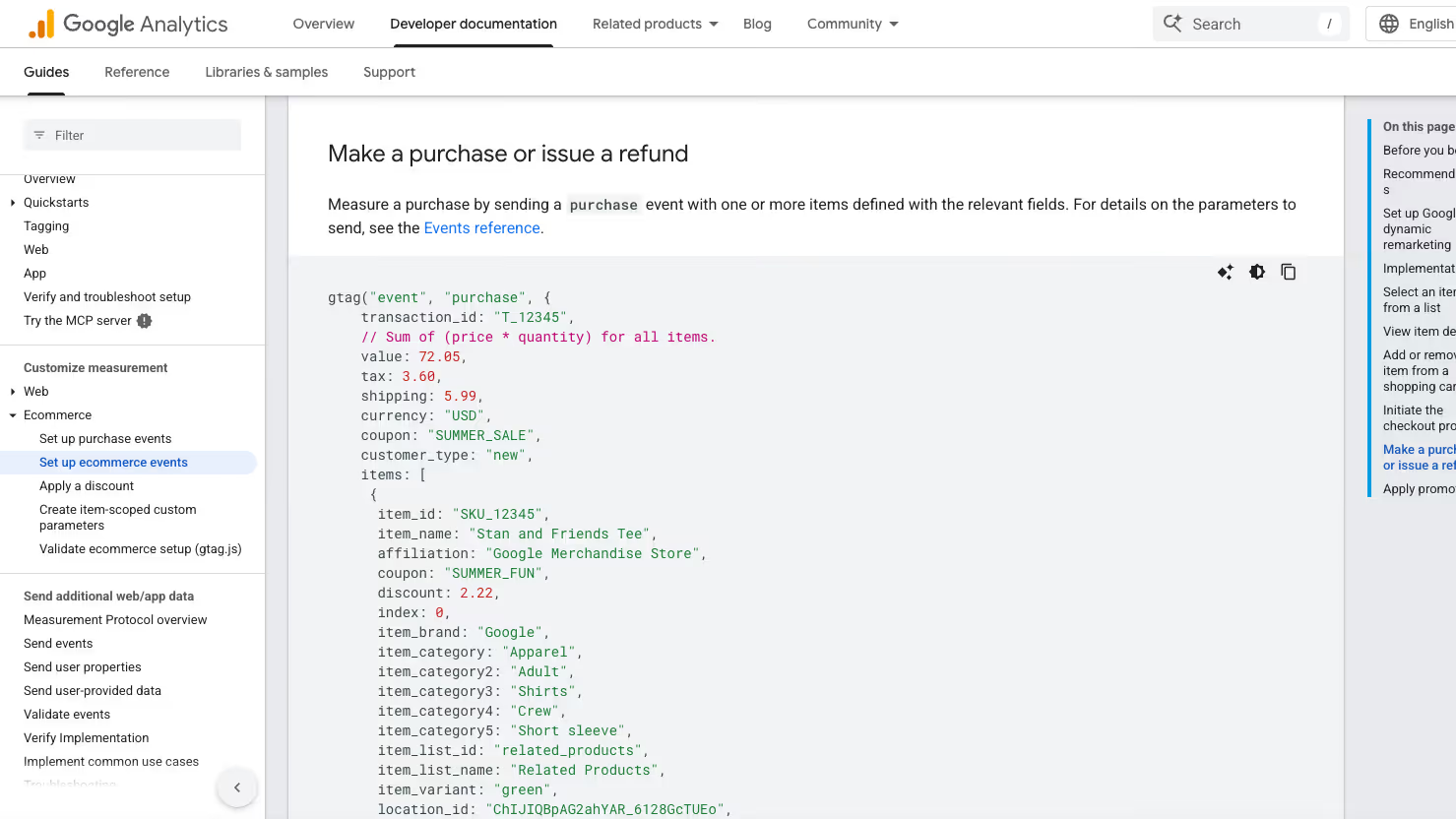
A reconciliation you can run in an afternoon: WooCommerce orders against GA4 purchase events by transaction ID, split by gateway, device and thank-you page, then a server-side purchase via the Measurement Protocol that respects consent.
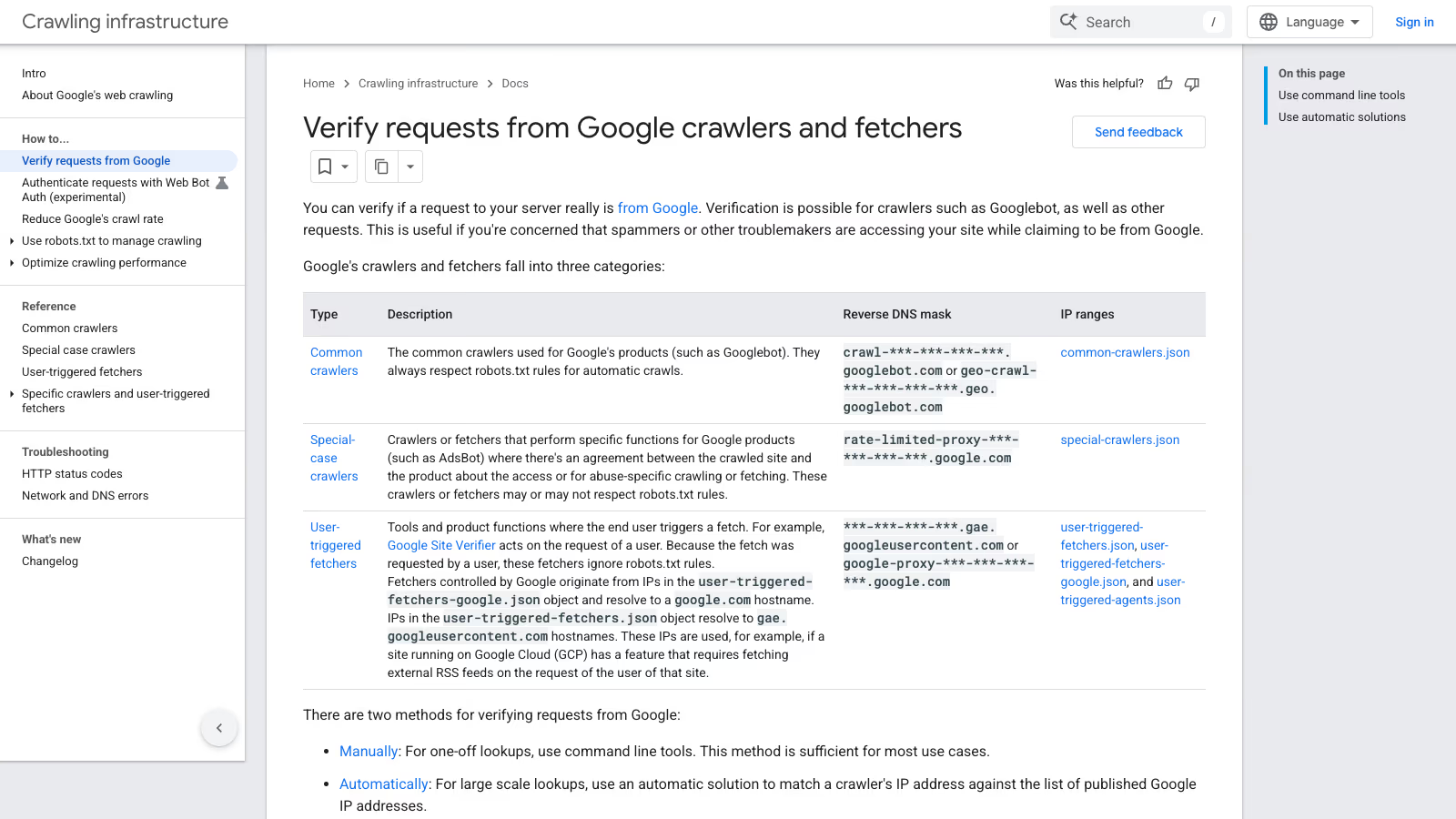
A user agent that says Googlebot proves nothing. How to check a request against Google's published IP lists or a two-way DNS lookup, and how to block impostors in nginx, Apache and Cloudflare without hitting the real crawler.
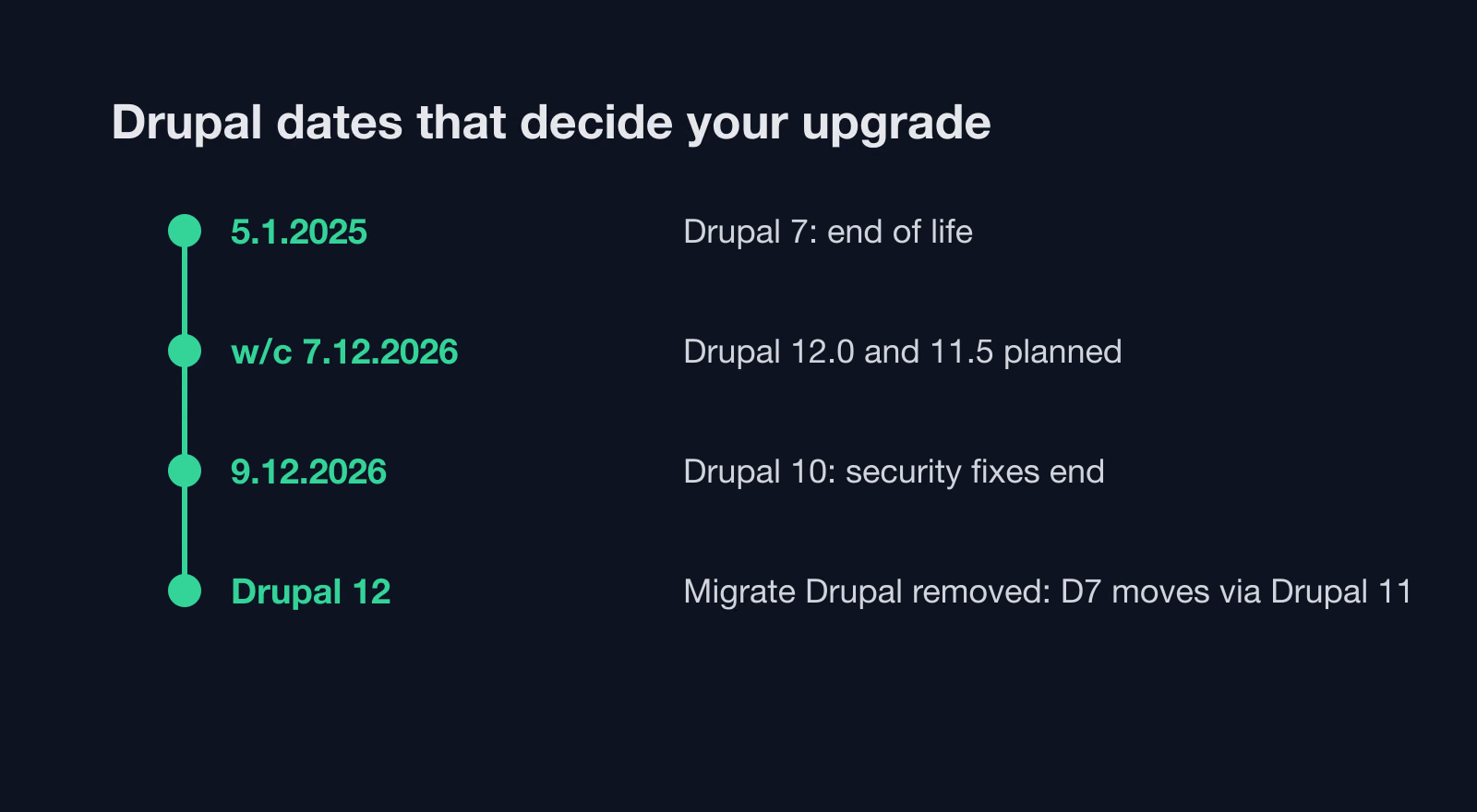
Drupal 10 stops receiving releases on 9 December 2026, the same week Drupal 12 ships. How to upgrade a Drupal 10 site to Drupal 11, what to do if you are still on Drupal 7, when a move to WordPress makes sense, and what UK and Irish public bodies should check first.
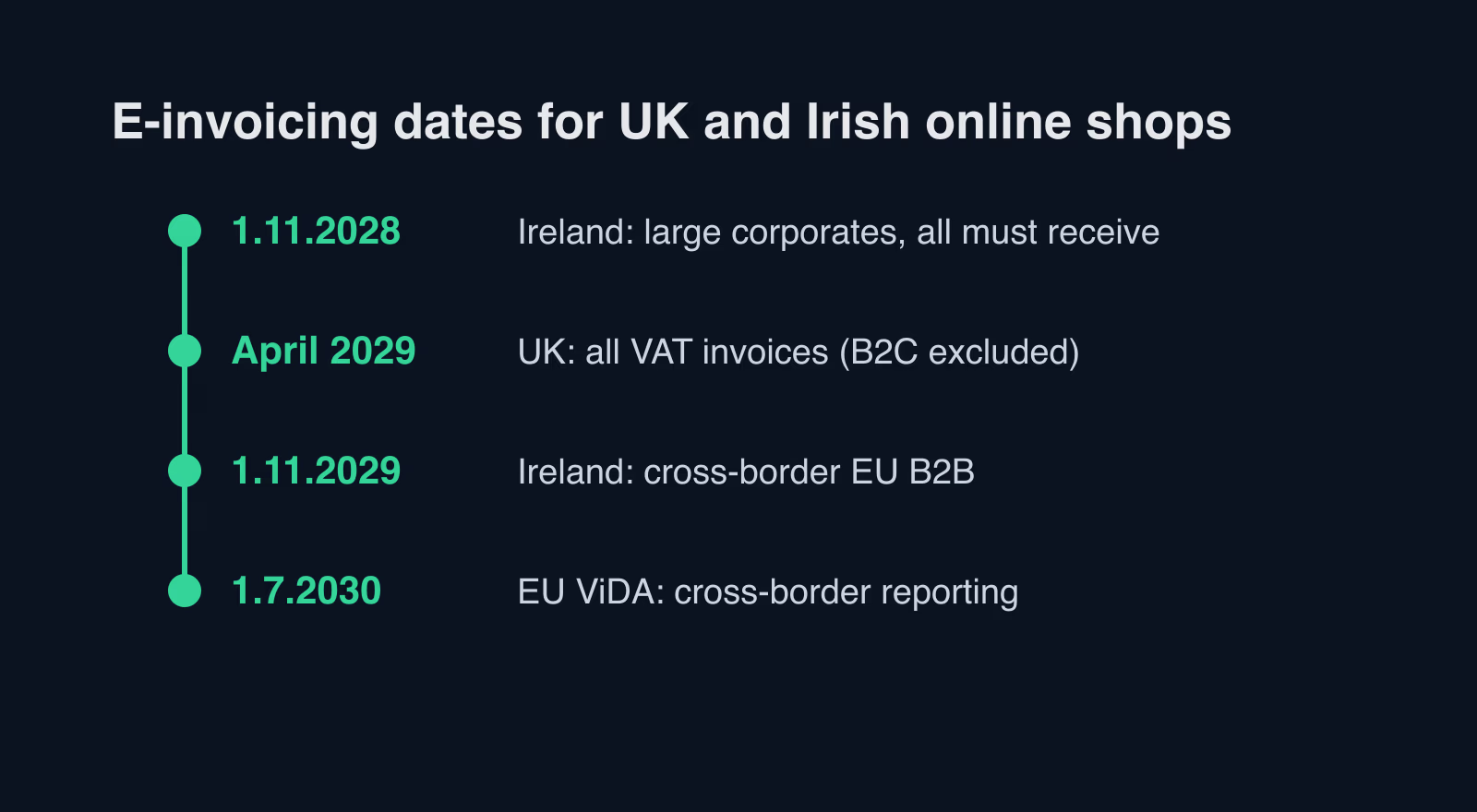
HMRC plans to require e-invoices for all VAT invoices from April 2029, and Irish Revenue starts with large corporates on 1 November 2028, when every Irish business must also be able to receive e-invoices. WooCommerce issues no invoices of its own, so the plugin, invoicing service or ERP behind your shop decides how ready you are. What applies to consumer and business orders, and what to prepare.
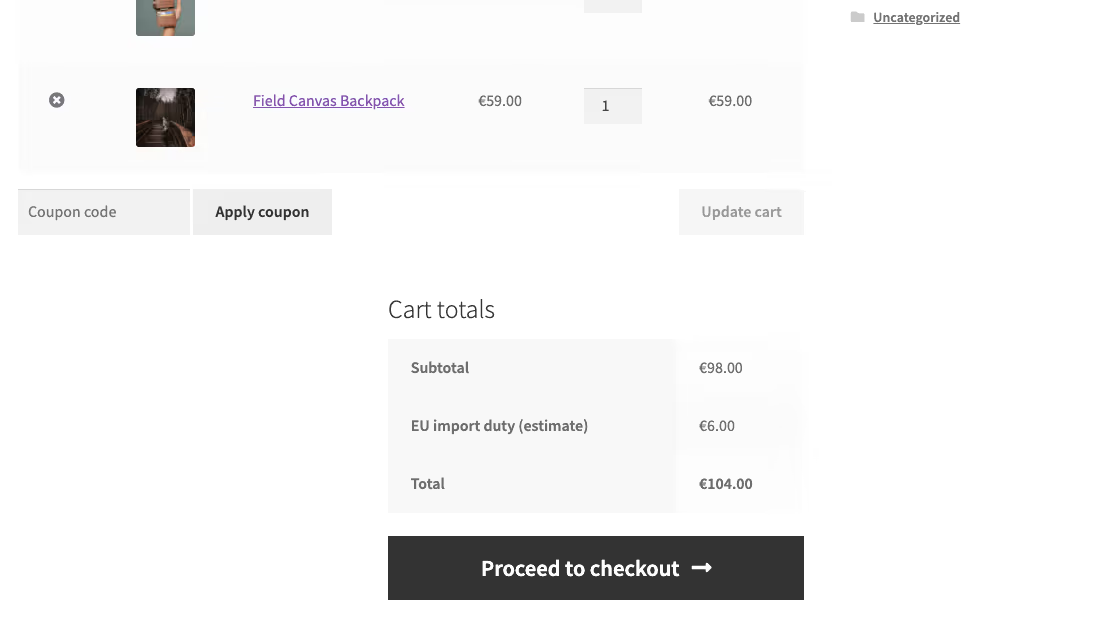
From 1 July 2026 to 1 July 2028, a parcel from outside the EU worth up to EUR 150, sold through IOSS or sent by post, pays EUR 3 customs duty for every tariff item. Who it hits, including UK and US shops selling into the EU, how to count items, what the handling fee from November 2026 adds and how to show the duty in a WooCommerce cart.
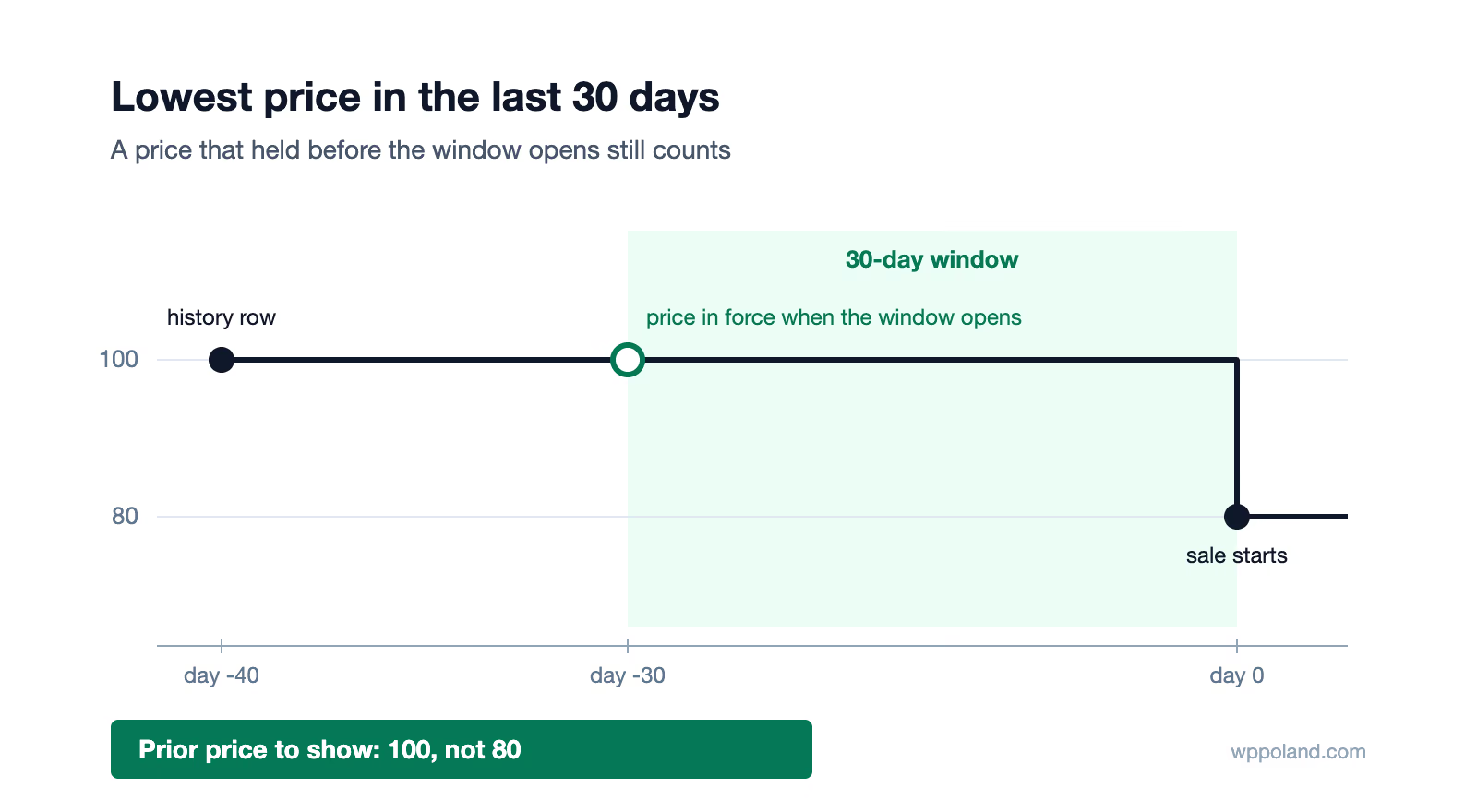
Regulation 5A of the Irish price indication rules, like Article 6a of Directive 98/6/EC, requires every announced price reduction to show the prior price: the lowest price of at least 30 days before the reduction. WooCommerce keeps no price history, so a plugin or custom code has to. How a correct history works, what breaks in practice and how to test your own shop.
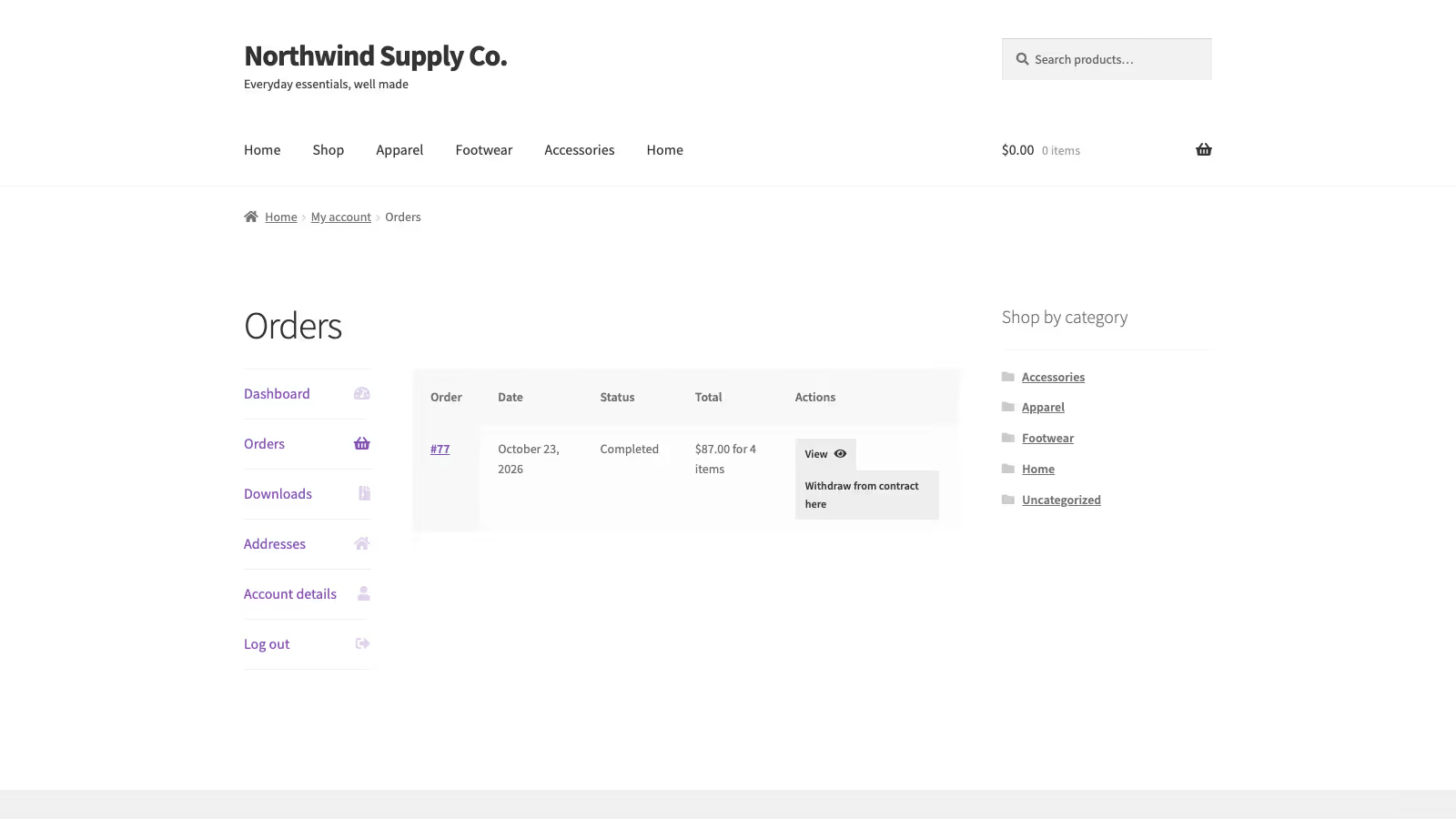
Since 19 June 2026, Article 11a of the Consumer Rights Directive requires a "withdraw from contract here" function on online shops. Not every country has transposed it. What the rule says, how cross-border selling changes it, and how to build it in WooCommerce, Shopify or a headless shop.
An SEO agency without a WordPress developer on staff: which audit tasks to hand over, how to grant Search Console and WordPress access without sharing accounts, what the contract needs (hours, response times, copyright, UK GDPR and EU GDPR) and how to measure the result.

After the UpdraftCentral key theft and the tampered Rank Math PRO download in October 2026: how to list every dashboard, app, token and deploy key that can reach your site or shop, revoke what you do not need and rotate the rest.
A visitor clicks Decline and the Network tab still shows Google, YouTube, font and chat requests. How to test it in browser devtools, what usually leaks on Shopify, WooCommerce and custom sites, what advanced consent mode still sends, and how to gate each request.

A buyer or lead hits a Cloudflare block page and leaves. Get the Ray ID and error code, find the event in Security Events, identify the rule (WAF, rate limiting, Bot Fight Mode, Under Attack Mode, country block) and fix it without opening the whole site.
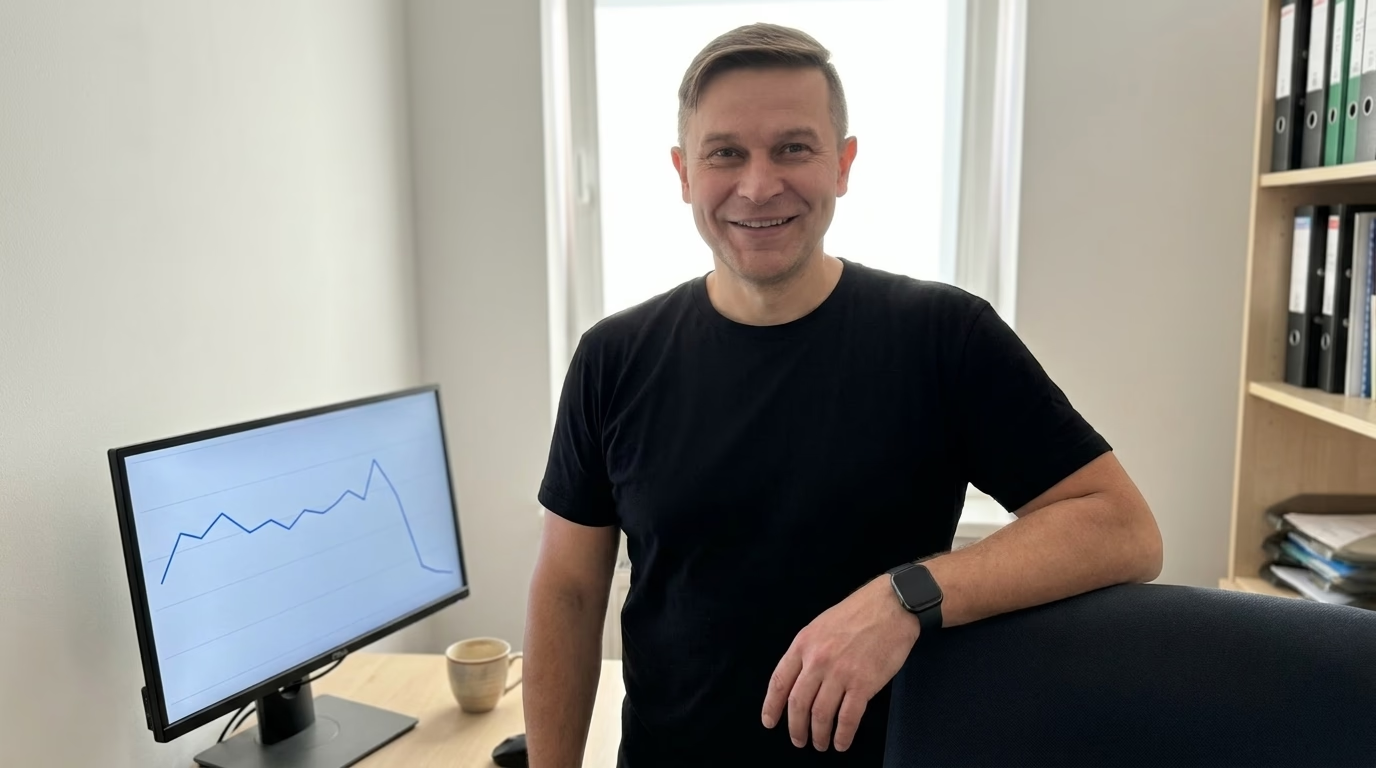
Search Console shows impressions falling off a cliff while URL Inspection still says indexed. Check reporting, the Search Status Dashboard, the calendar, your own deploys and the SERP, in that order, before you change anything on the site.
Google shows your pages on ftp., staging., dev., an IP address or an old subdomain, the host is gone from the server, and the URLs are still in search. What the old hostname returns decides the fix: 301, 404, Domain property, Removals or waiting.
An AI coding agent can run WP-CLI, push a Shopify theme or merge a branch in seconds. Give it a staging copy, a tested restore, narrow permissions and scoped credentials first, then review the diff and check the result yourself.

Shopify reports dozens of sessions that reached checkout and almost no orders. What the metric counts, why the abandoned checkouts list is shorter, and how to find the step where buyers stop: payment methods, shipping and duties, fraud filters, bots or analytics.
A decision guide for Shopify store owners: what a theme edit can change, when you need an app or a theme app extension, what only Shopify Functions can do, what replaced checkout.liquid and which features need Shopify Plus. Every plan limit is checked against Shopify's own documentation.
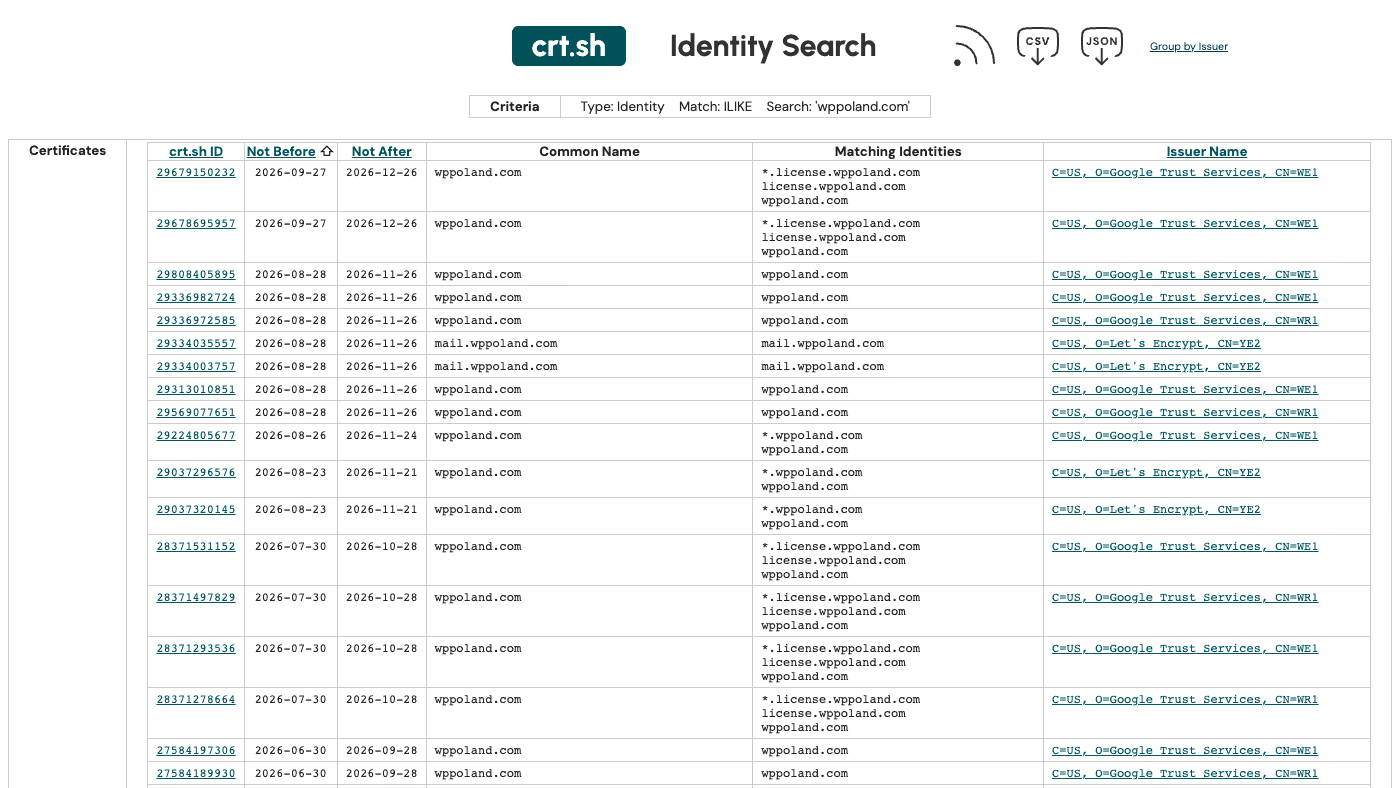
A domain one letter off yours, a copy of your shop, or email that looks like it came from you. How to confirm which it is with RDAP, DNS and certificate logs, lock down your own email with DMARC, warn customers, report the site and dispute the domain.

PHP 8.5.12, 8.4.27, 8.3.36 and 8.2.35, released on 21 October 2026, fix two critical vulnerabilities in PHP itself (CVE-2026-109618, CVE-2026-109619). How to check the PHP version in WordPress, what to do when your host has not updated the server yet, and which passwords to change after the update.

The open-source intelligence (OSINT) checks a careful buyer, a payment provider and Google Merchant Center run on a new shop, turned into a checklist for an honest shop owner in the UK or Ireland: company details, VAT number, bank account name checks, domain age, photos, reviews and reporting clones.
A spam filter, form fields that save the model work, routing with a decision model, a reply draft a person approves and a fallback email provider. Shown on the form that runs on wppoland.com.
Five signals that slow changes on a WordPress site or WooCommerce store come from the code, not the people, and how to measure each one on your own install in a single afternoon.
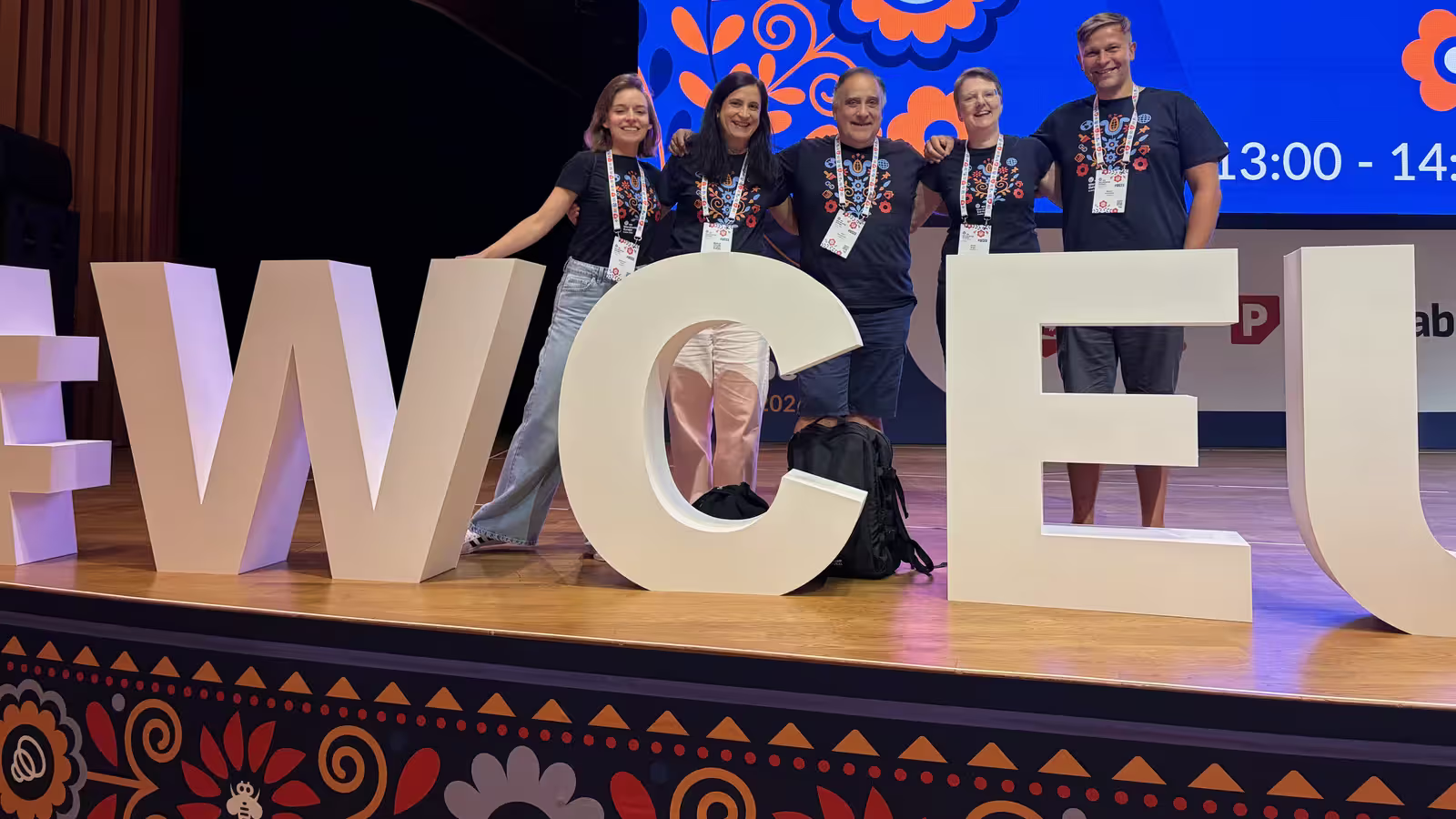
For the third year running I am co-organising WordCamp Europe, this time on the Budget Team for the 2027 edition in Malaga (27-29 May 2027). How the budget, vendor payments and reimbursements move through the WordCamp.org tools.
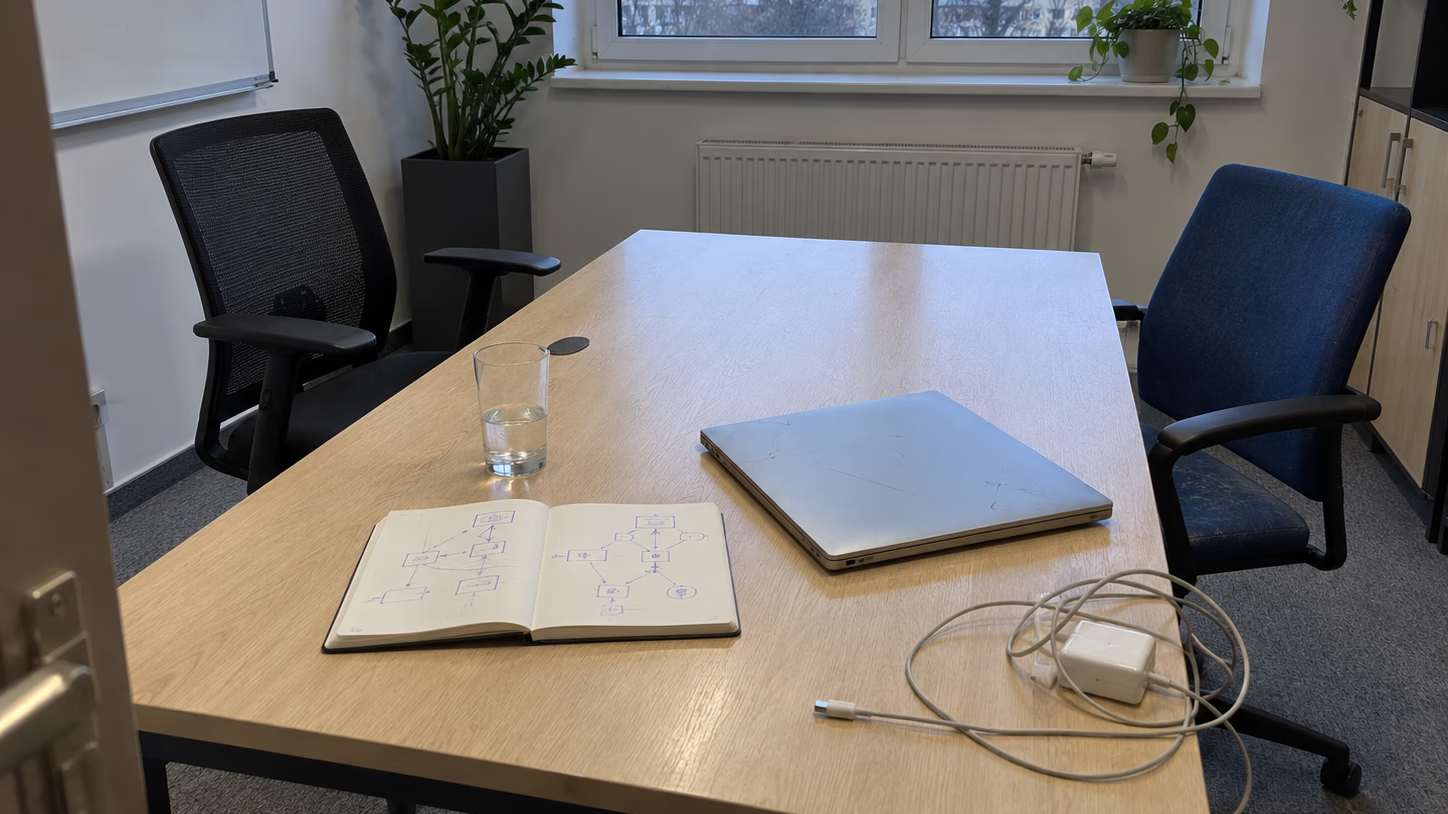
A US WordPress agency was hiring a senior who uses AI and still writes and reviews code. What the three job posts say, what they paid, how to test such a candidate and how to pick an agency.
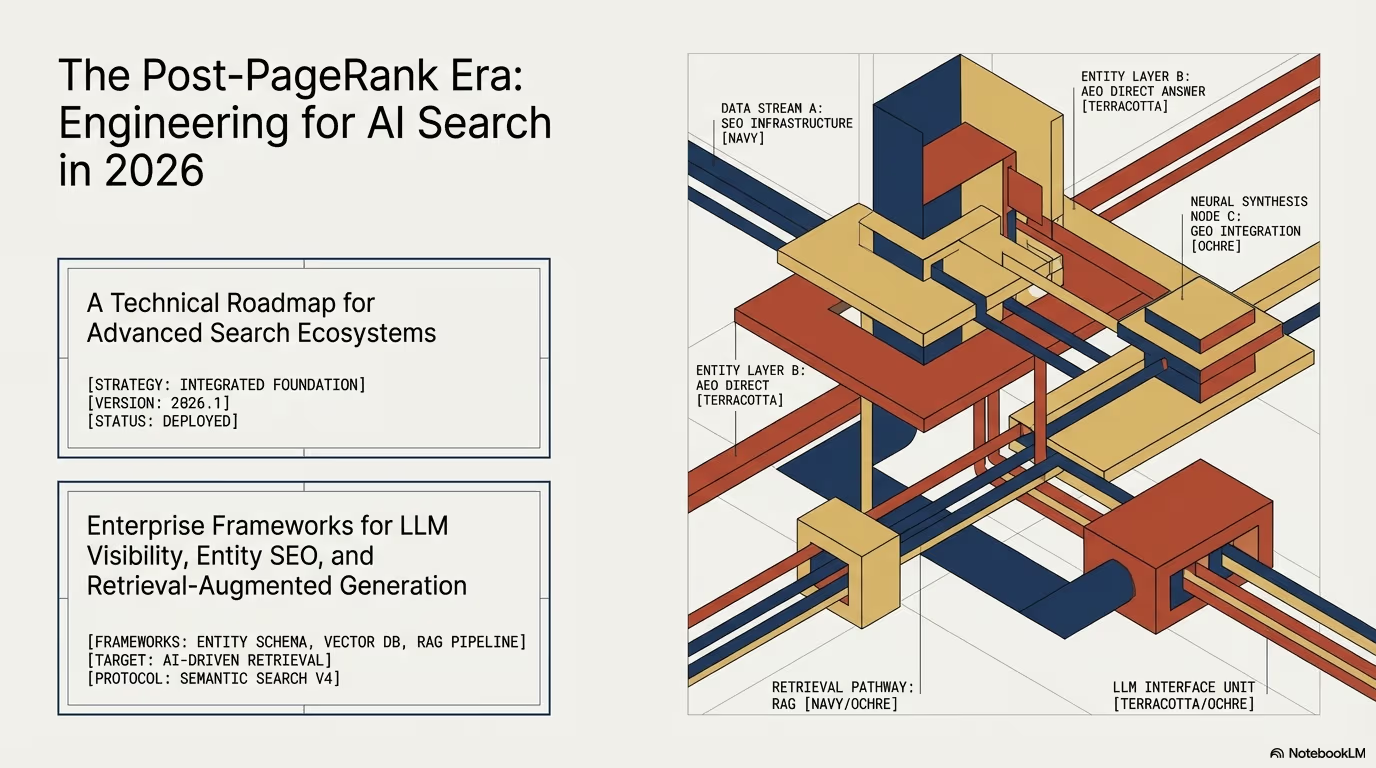
Gutenberg 24.2 turns on React 19 by default, moves notes into the editor margin and changes link search in menus. What React 19 removed, how to test blocks on a copy of the site and how to turn React 19 off.
What WordPress Agent can do after the 15 October 2026 update, what an AI assistant can write to a site through MCP, how the safeguards work, and when self-hosted WordPress is the better choice.
Google launched Universal Cart in Search and Gemini powered by the Universal Commerce Protocol (UCP). How to prepare WooCommerce for native AI shopping.
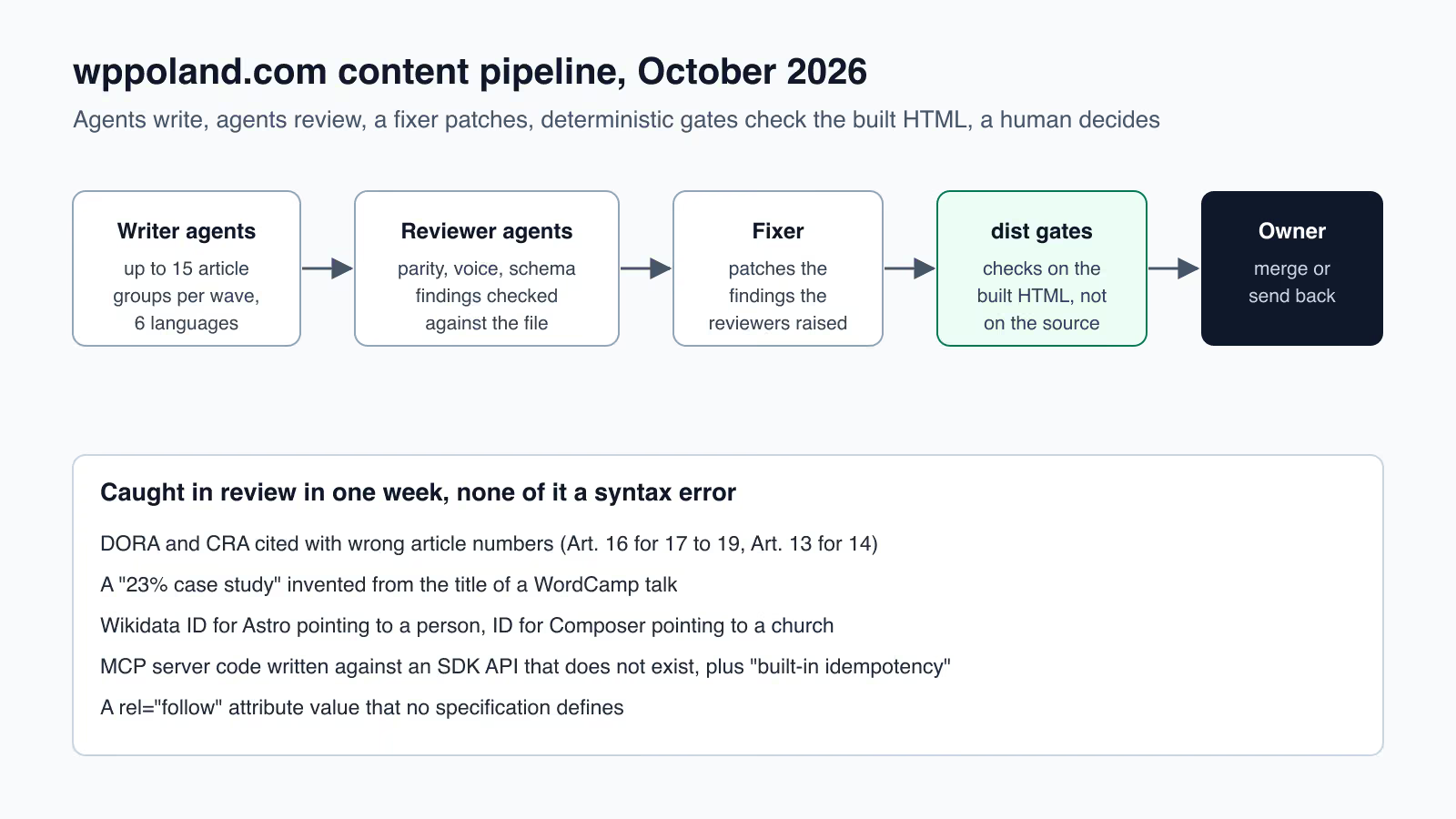
Thorsten Ball says code review will die, unit tests might die and the terminal is already dead. I test his 16 predictions against data from my own AI agent pipeline, which writes and reviews this site in October 2026.
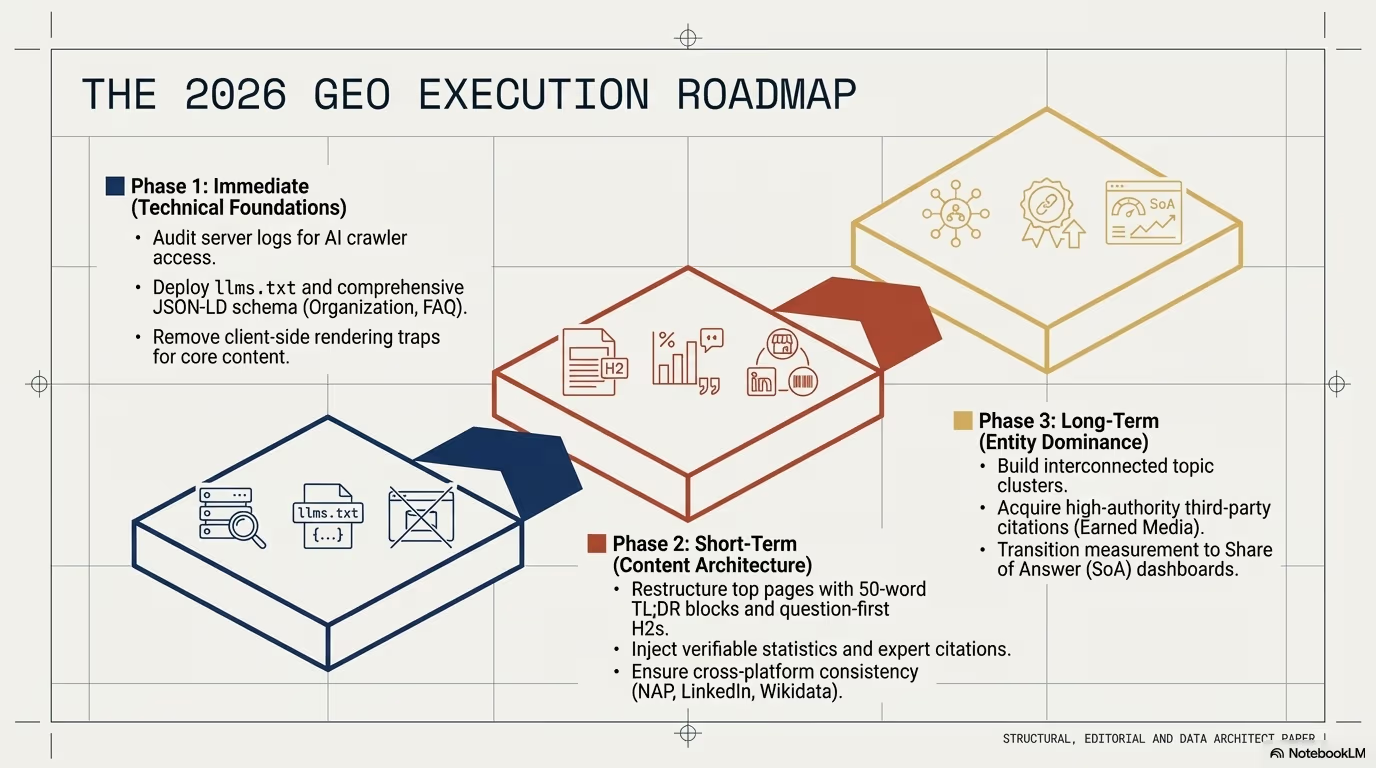
How to protect WooCommerce from overselling during flash sales and mass AI agent checkout spikes: Redis distributed locks, HPOS, and ERP synchronization.
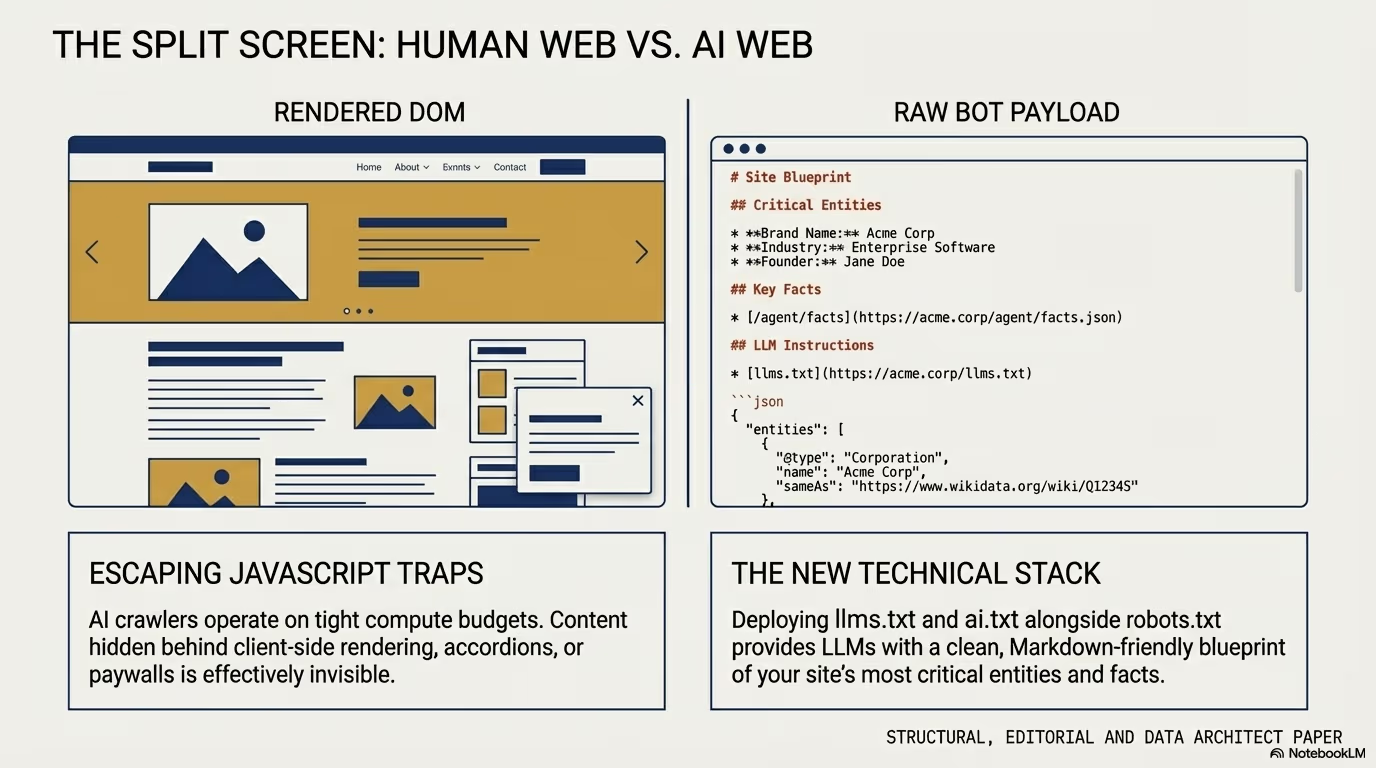
Master image optimization in WordPress and WooCommerce for Google Lens, ChatGPT Vision, and multimodal AI search engines in 2026.
Implement scalable volume-based tiered pricing, unit pricing, and MOQ in WooCommerce B2B aligned with Google Merchant Center and AI shopping agents.
Google Ads adds an official prediction markets policy section. Explore licensing rules, server-side geofencing, and technical architecture for WooCommerce.
Bing is testing a single, larger sponsored ad unit at the top of its results page. What the test shows, how to measure its effect on organic CTR in Bing Webmaster Tools, and what to fix in WooCommerce.
Google Ads is testing the Search terms and ad combinations report. Discover how to evaluate RSA headline combinations and deploy conversion queries into WooCommerce SEO.
OpenAI now assigns human account managers to ChatGPT Ads advertisers. What the ads platform documents about feeds, bidding and conversion tracking, and how to wire WooCommerce into it.
Search Engine Roundtable reports a Google test that puts the AI Mode sidebar on desktop search results. What was actually seen, what Google documents, and what to change in WordPress.
Bing Webmaster Tools adds Topics Portfolio to AI Performance reports. Learn how to read topic size, sites cited and opportunity queries, and what to change in WordPress.
Insights from Google Search Off the Record podcast: PDF-to-HTML conversion pipeline, low recrawl frequency, HTTP rel=canonical headers, and migrating to responsive CMS pages.
Analysis of the GPT-6 UTM parameter removal, window open noopener noreferrer enforcement, and an engineering guide to tracking dark AI search traffic in WordPress and WooCommerce.
Why the Search Console date selector gets stuck in 1969 and how to build an automated data export pipeline via Search Analytics API without the 1000 row limit.
Engineering guide to Google Ads Data Strength, Enhanced Conversions, Google tag gateway and Server-Side Google Tag Manager deployment in WooCommerce.

Technical analysis of domain migration reversions in Google Search Console and an engineering guide to resolving e-commerce migration failures in WooCommerce.

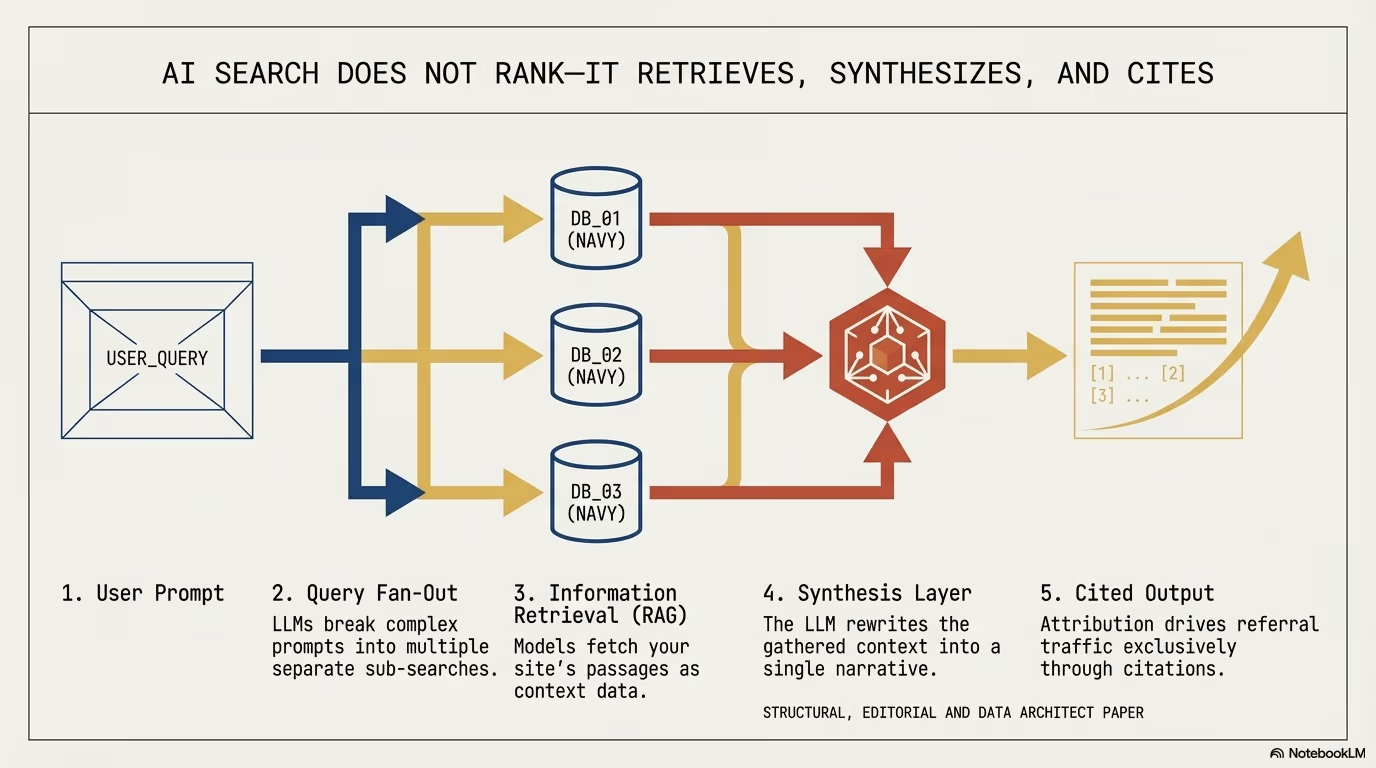
How Google AI Mode and ChatGPT split one question into several related searches, what the published data says about how often that happens, and how to write sections that can be quoted on their own.
What Google confirmed about Discover in 2026 and the WordPress and WooCommerce setup its documentation asks for: images, robots, feeds, Core Web Vitals.
Learn how to configure gluten-free, dairy-free, halal, and kosher attributes in Google Business Profile, implement Schema Menu, and optimize local SEO.

Discover why video processing hangs in Google Merchant Center, how to optimize MP4 files with the faststart flag, configure VideoObject schema, and build robust feeds.
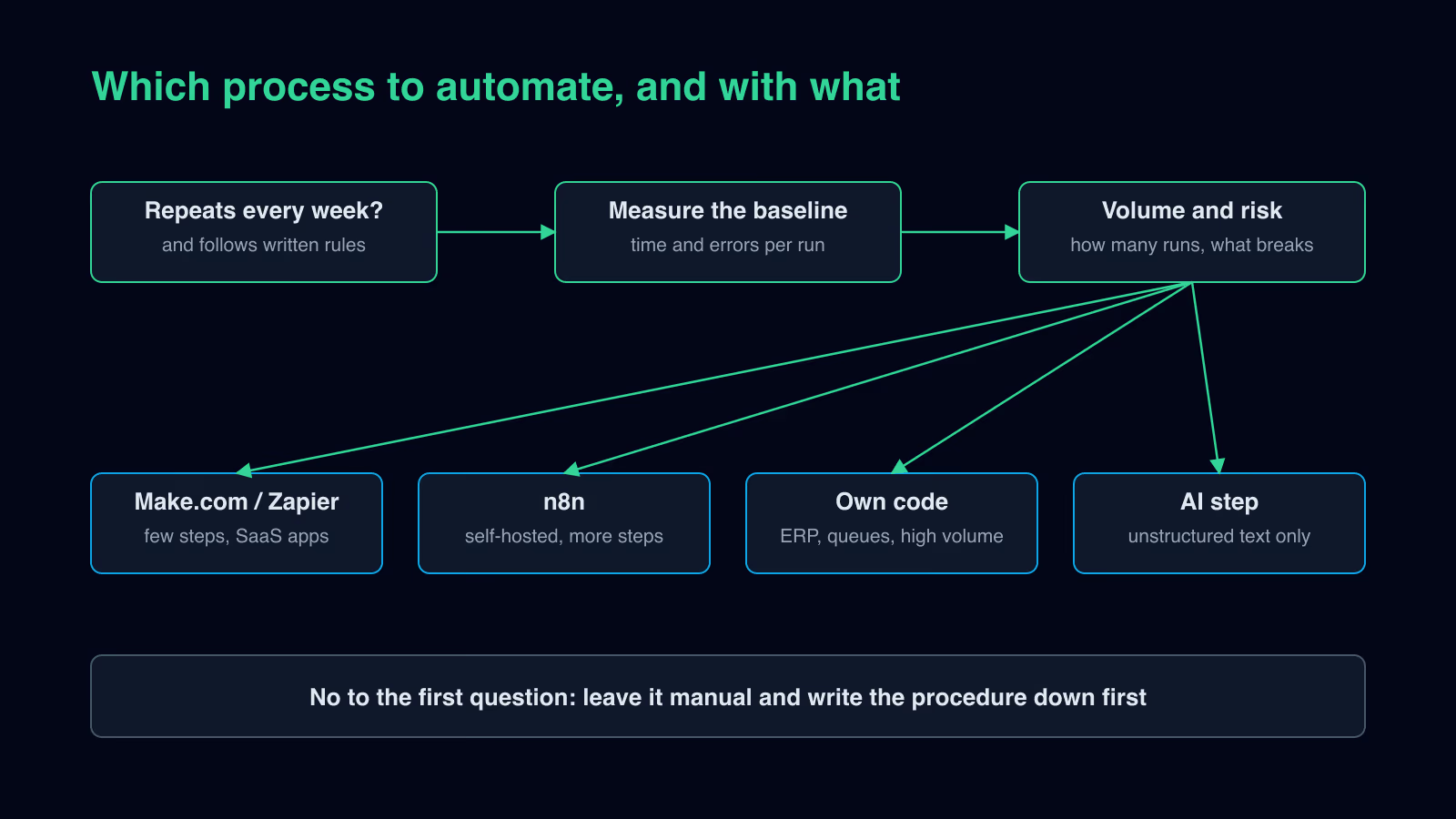
How to decide which WordPress and WooCommerce processes pay back, how n8n, Make, Zapier and custom code differ, and how to run a measured pilot.
From 7 March to 10 October 2026 the Cloudflare Pages middleware on wppoland.com sent a 301 for every URL carrying utm_*, gclid, fbclid or msclkid. Analytics lost campaign data and Google Ads lost gclid; from 13 July the contact form lost lead sources too. Cause, fix and a curl test.
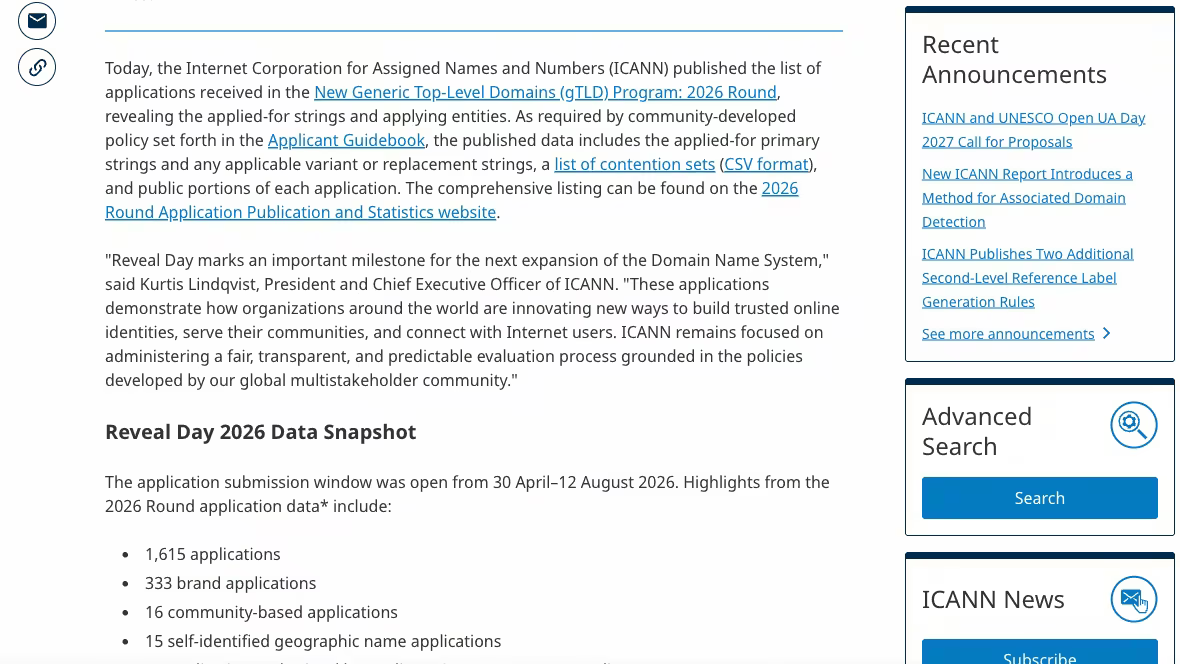
ICANN published 1,615 new gTLD applications on 7 October 2026. One is .wordpress, filed by the company behind .blog as a closed namespace with no rival applicant. What it means for site owners, the timeline to 2028, and what not to buy.
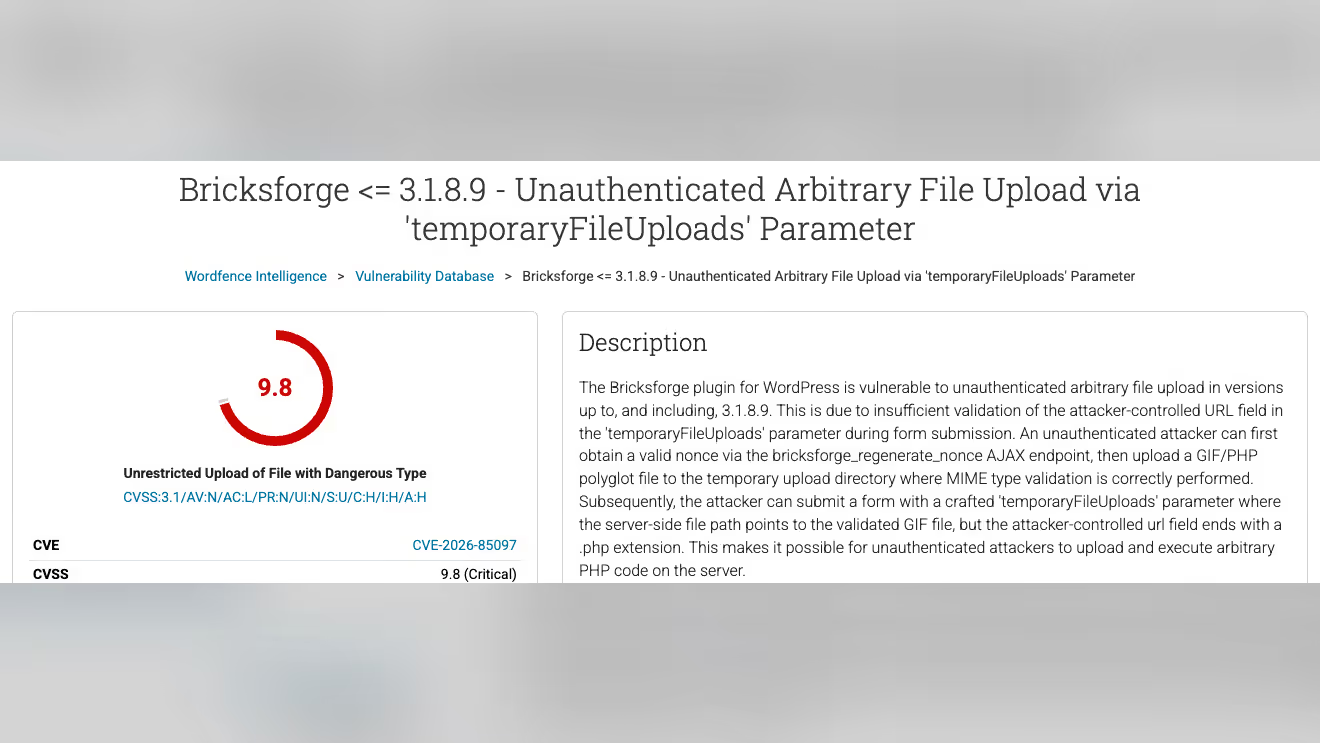
Bricksforge up to 3.1.8.9 lets anyone upload and run PHP through Pro Forms without logging in. Patchstack has seen attacks since 7 October 2026. How to check your version, what to update to and what to look for on the server.
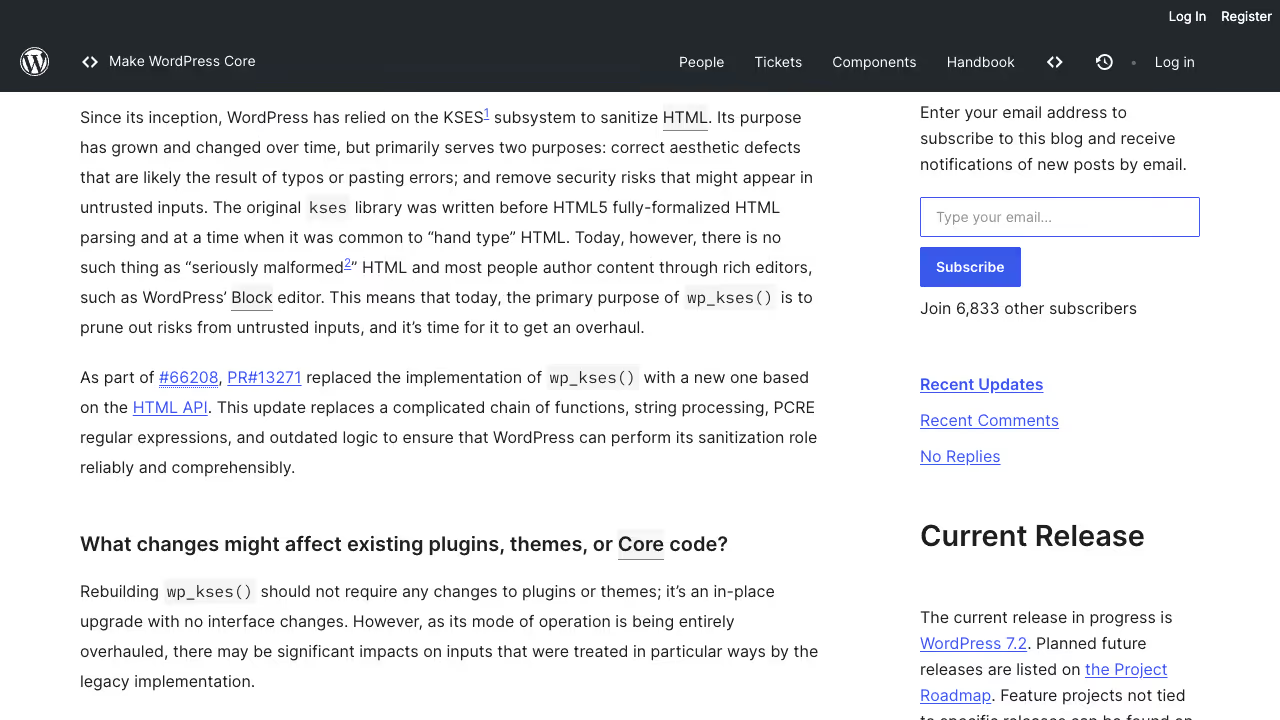
wp_kses() is being rewritten on the HTML API in trunk. What changes for plugin and theme code, how to diff your real content on a trunk build, and what the legacy-parser filter is for.
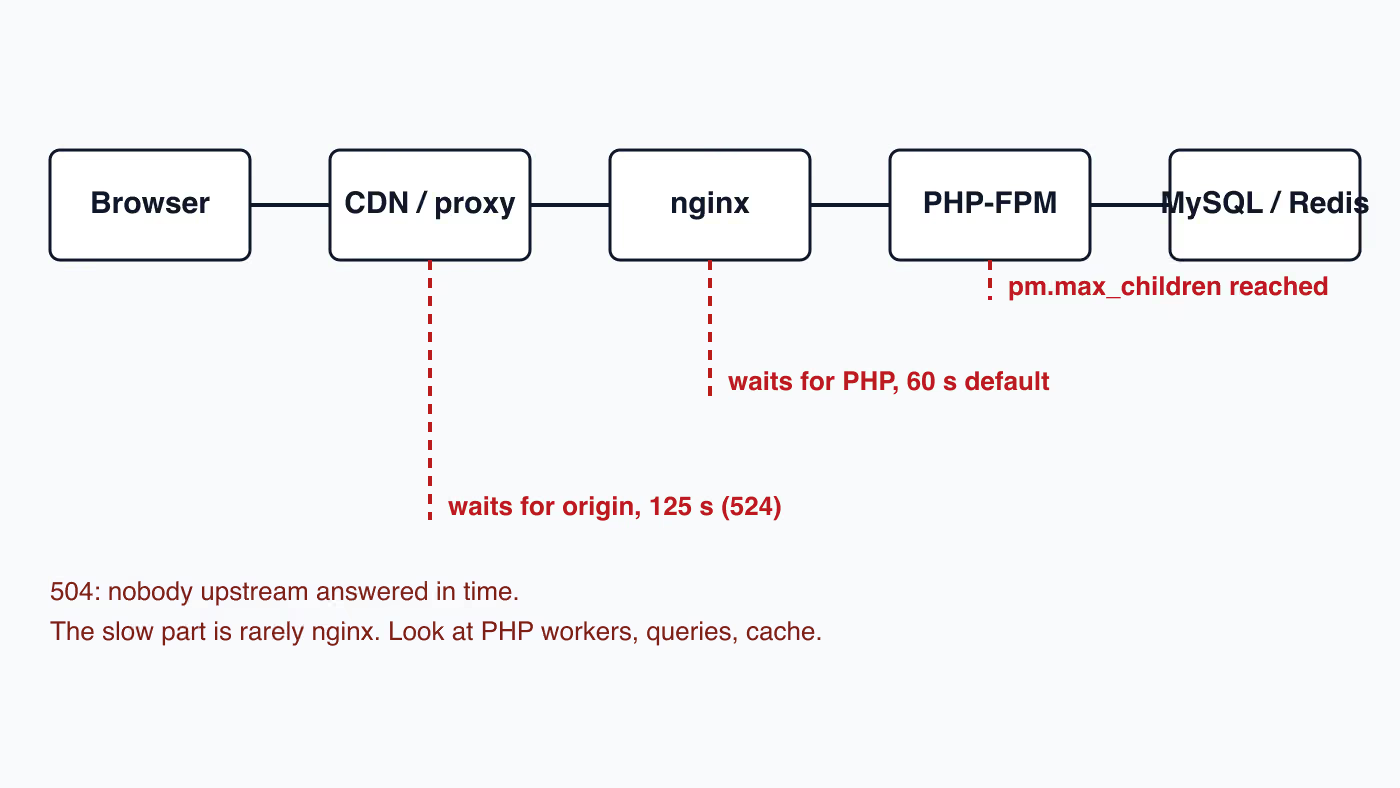
A 504 Gateway Timeout in WordPress means the server in front of PHP got no response in time. How to tell whether hosting, PHP-FPM, the database, cache or a plugin is to blame, and what to do step by step.
In 90 days the WordPress security program received 2,004 reports and paid out over $90,000 in bounties. Mary Hubbard is asking more than 30 companies to co-fund it. What it means for a site owner.
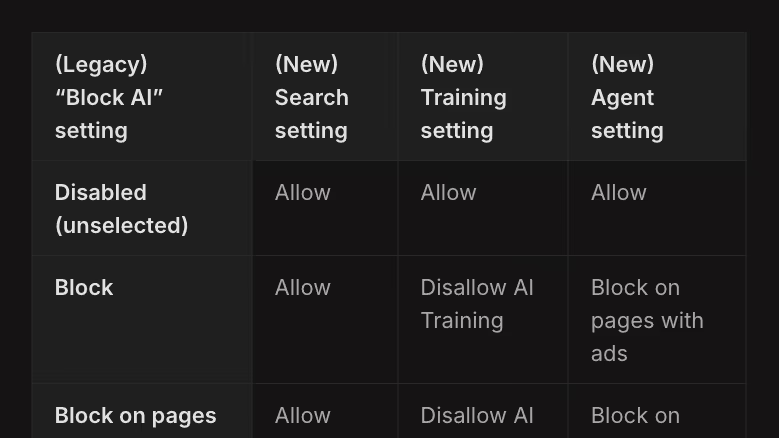
Since 15 September 2026 Cloudflare splits its AI bot settings into Search, Training and Agent. Google is not blocked by default, but the "Block" option stops Googlebot along with search. What changed and how to check it.
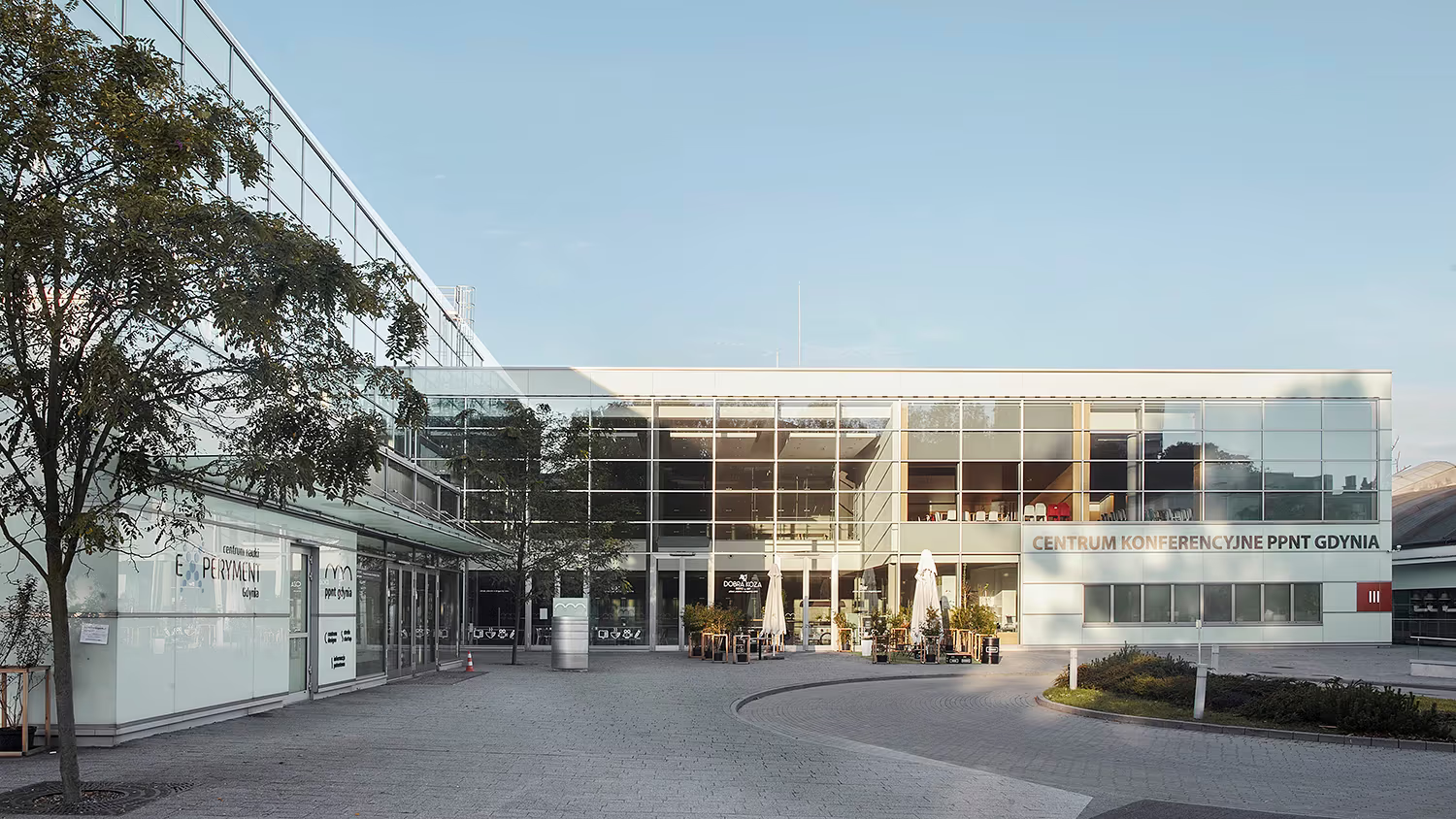
Every CMS Conf 2026 speaker and workshop lead, grouped by the question their session answers. 12-14 November 2026 in Gdynia, Poland.
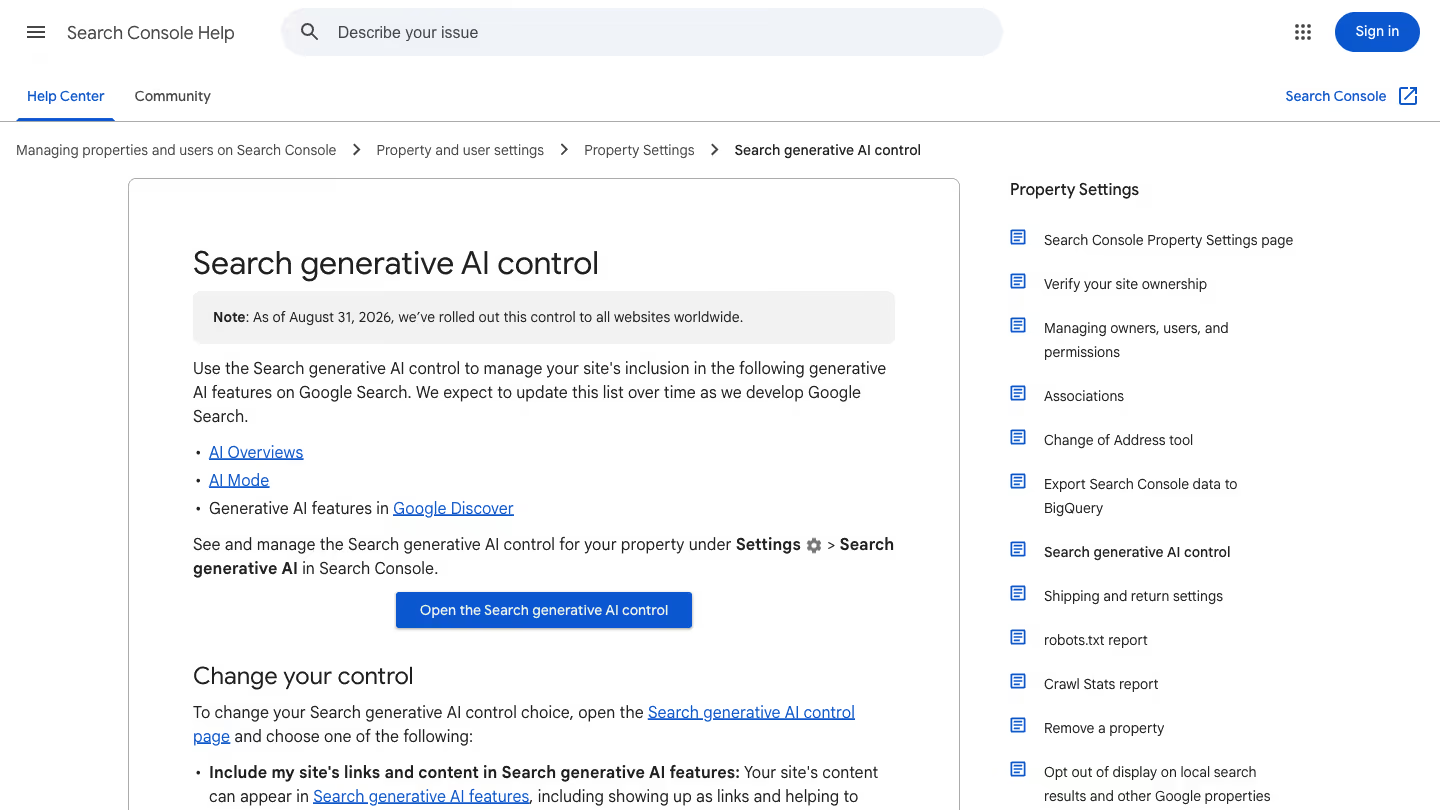
Three settings get mixed up when a site wants out of AI Overviews, out of AI training, or both. What each one blocks and does not block, quoted from Google's own pages and from contentsignals.org.
QDF is real, but Google discounts a date that changes without the page changing. Our own sitemap told Google every page changed on every build. What counts as an update in WordPress, and what is only noise.
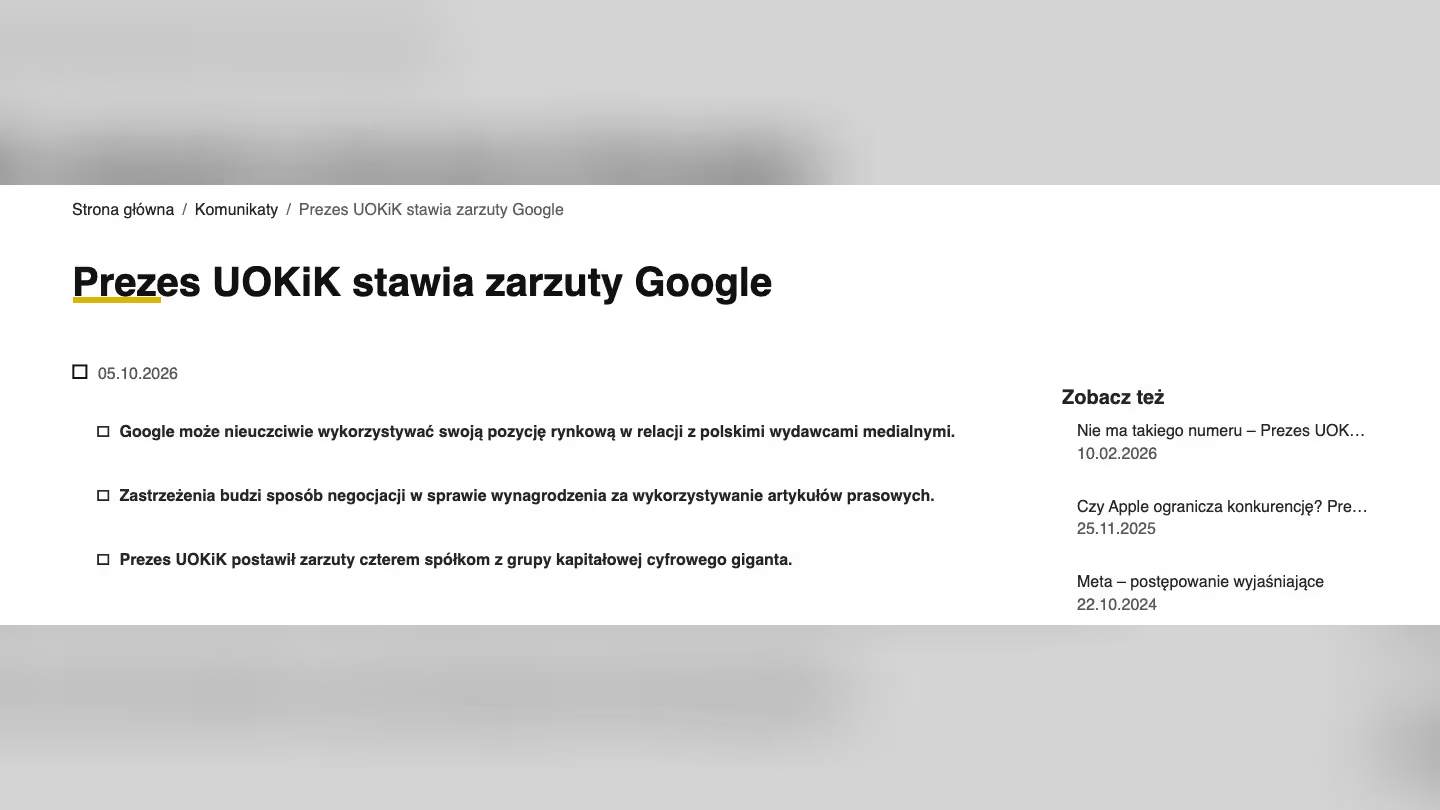
On 5 October 2026, the President of UOKiK filed charges against four Google subsidiaries for how the company negotiated payment terms with press publishers. What this means for your site publishing Polish press content and which controls you hold as a publisher today.
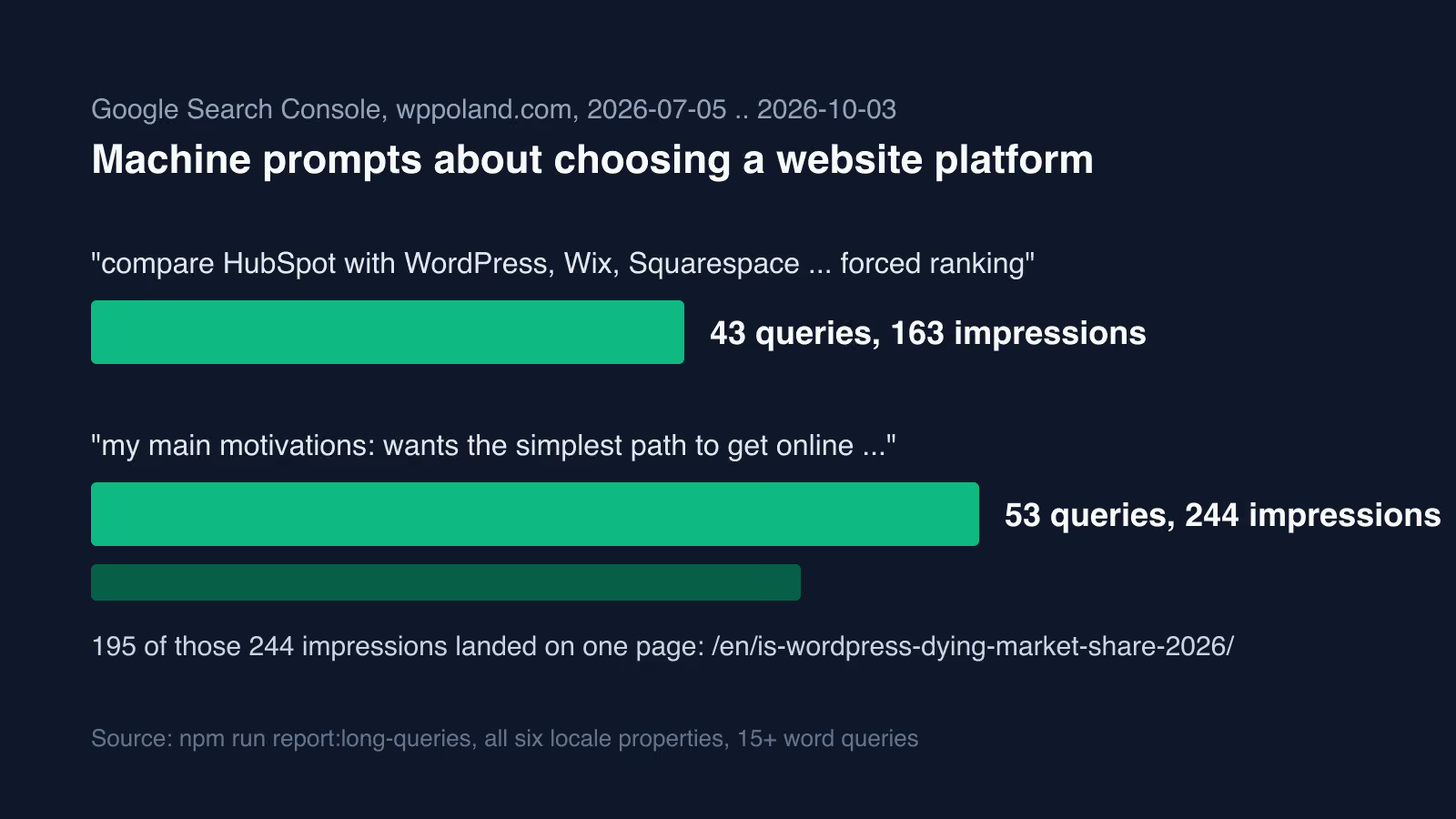
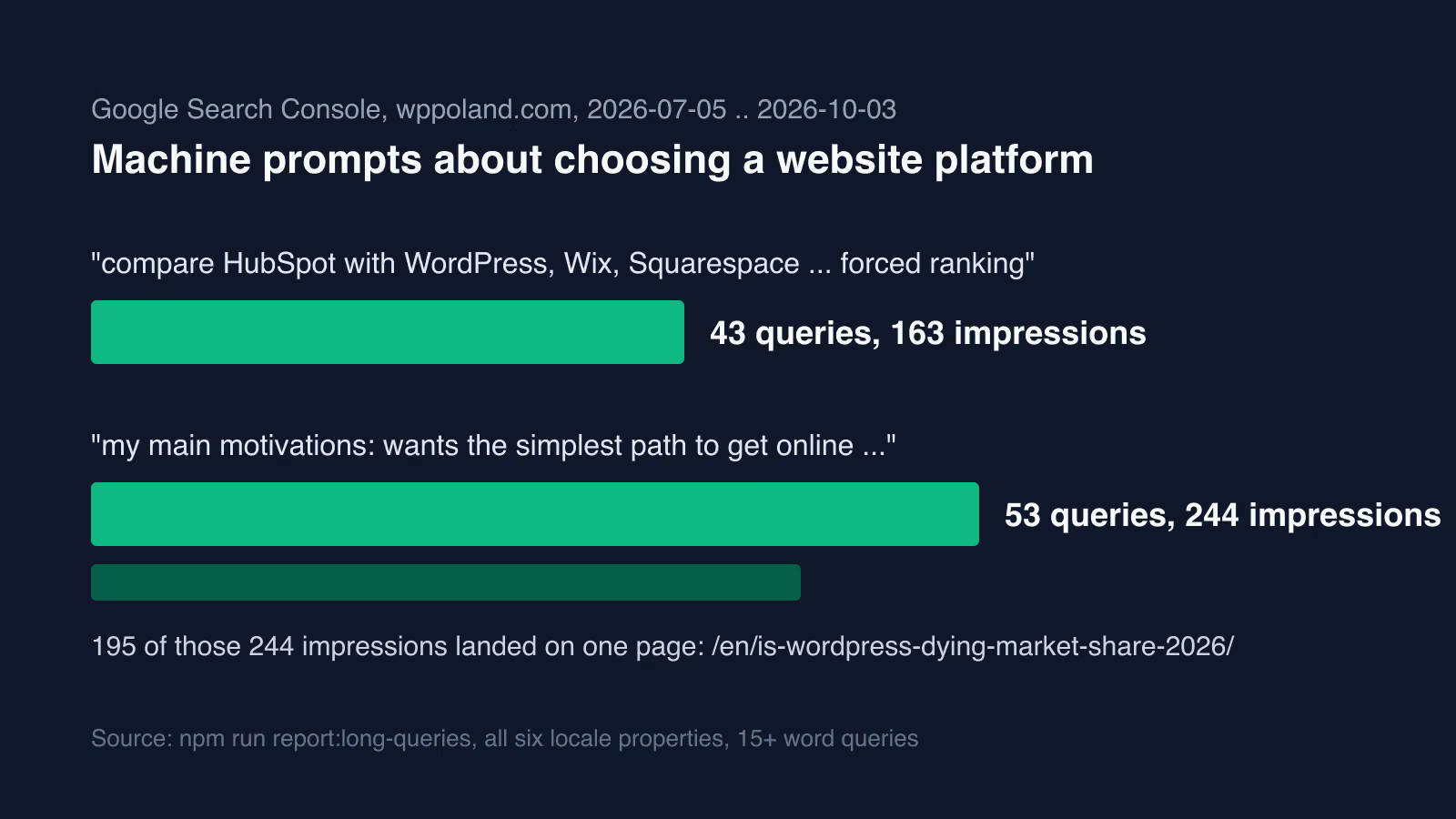
More and more often an agent picks the platform based on its training data. Andy Peatling and Brian Coords argue that WordPress is losing out. Our Search Console data shows what the prompts making that decision look like, and where they land.
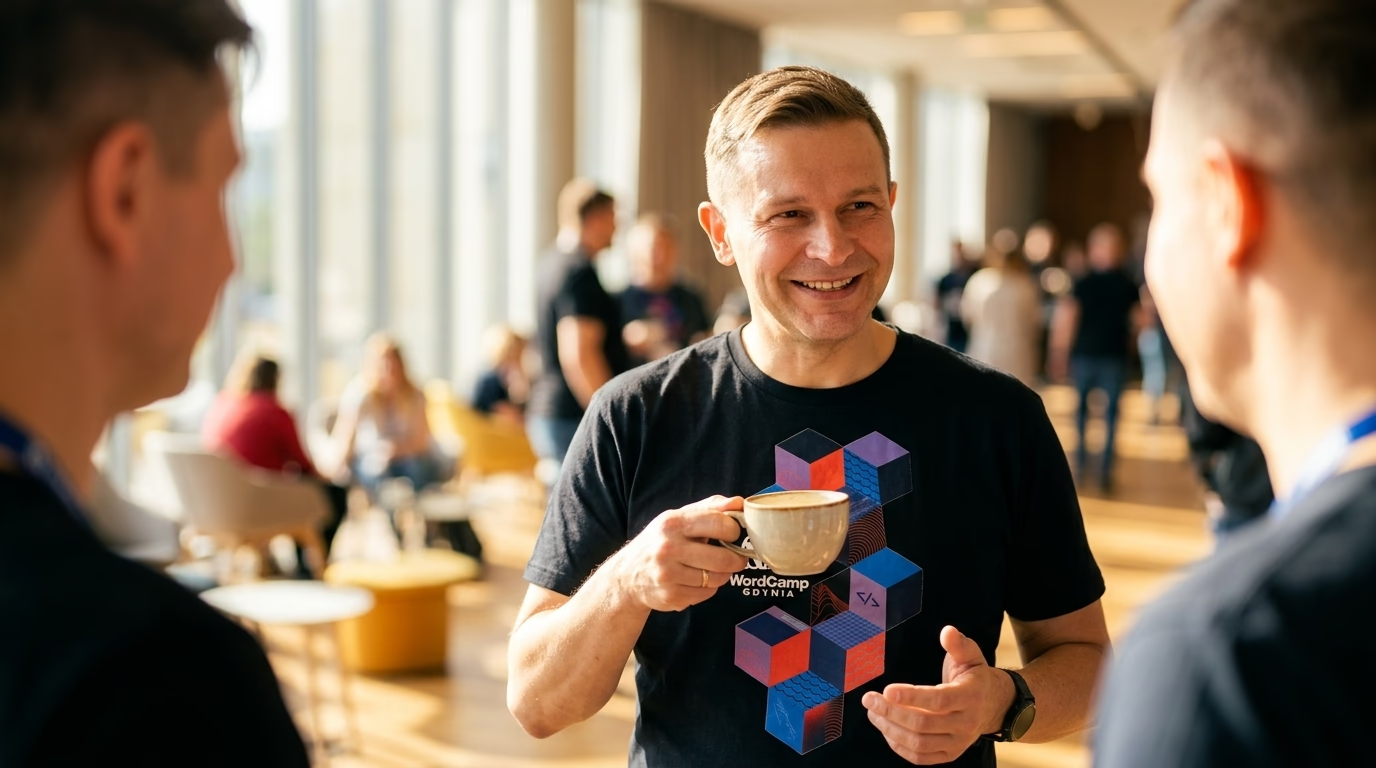
llms.txt, Markdown for bots, FAQ schema, and the phrase "GEO instead of SEO": five myths I hear from WordPress and WooCommerce clients. What I actually ship on wppoland.com and what I measure in Search Console.
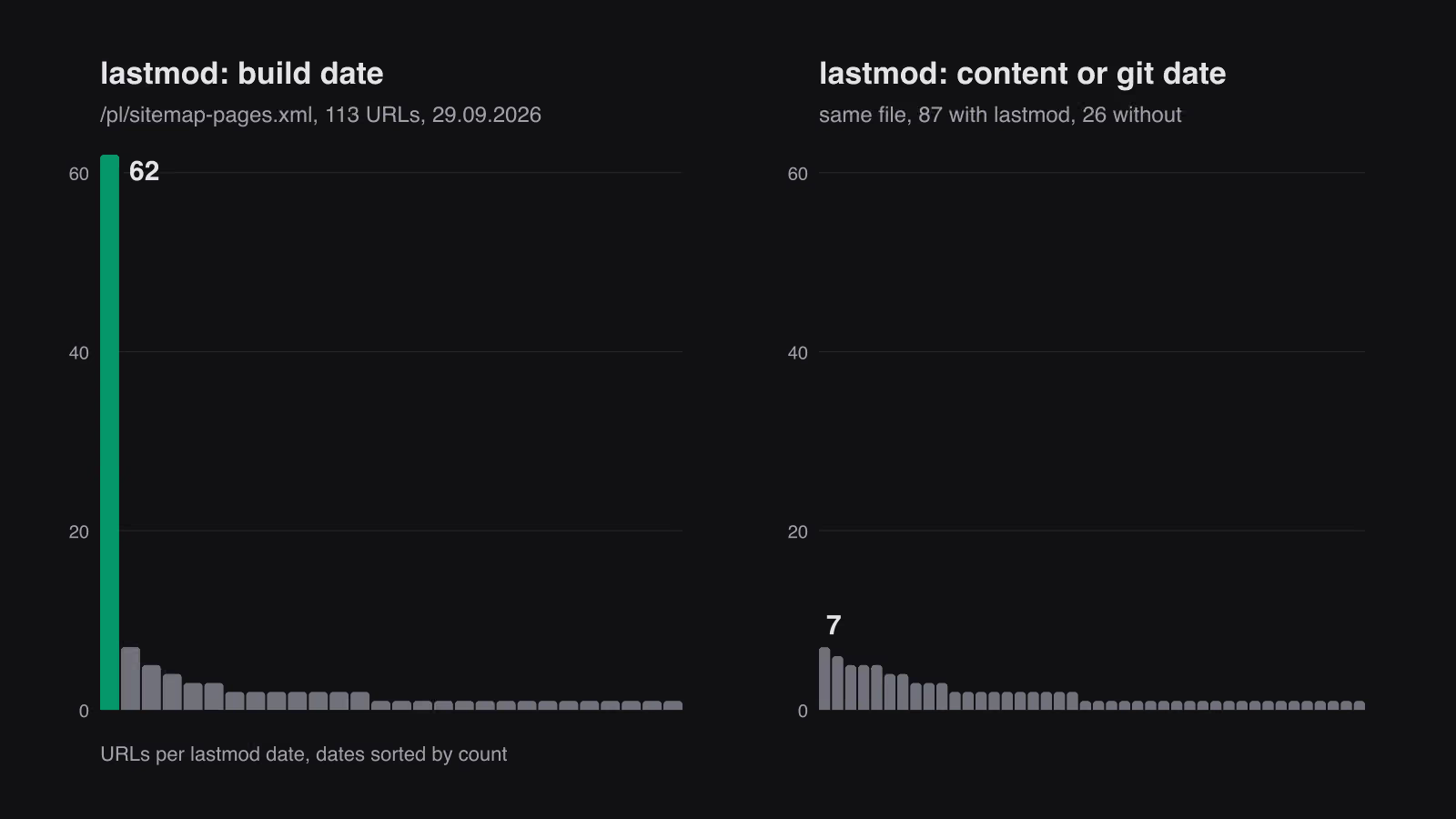
Joost de Valk checked the sitemaps of Adobe, Anthropic and GOV.UK. We checked our own and found five generator bugs. No entry inspector will ever see two of them, because they were about what the sitemap was missing.
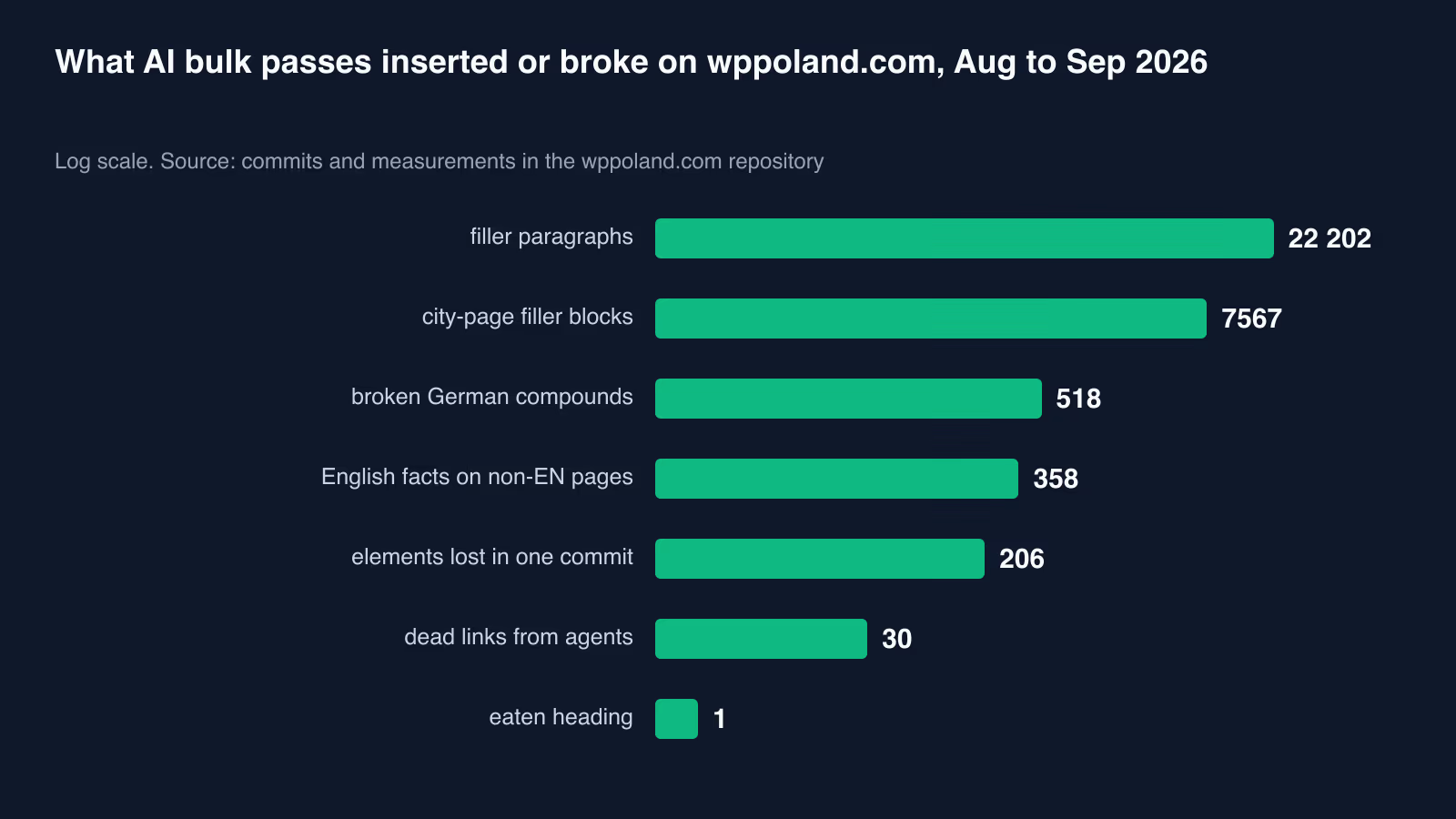
A post-mortem from my own repository: 22,202 filler paragraphs, a heading eaten by a price regex, 358 English sentences on German and Polish pages, invented case studies. Every pass reported success. I describe what reached production and which gate catches it today.

An in-depth look at the upcoming WordPress 7.2 release on 8 December 2026, featuring Matt Mullenweg as Release Lead, administrative Sudo Mode, a first-class Secrets API, and interactive editor collaboration.
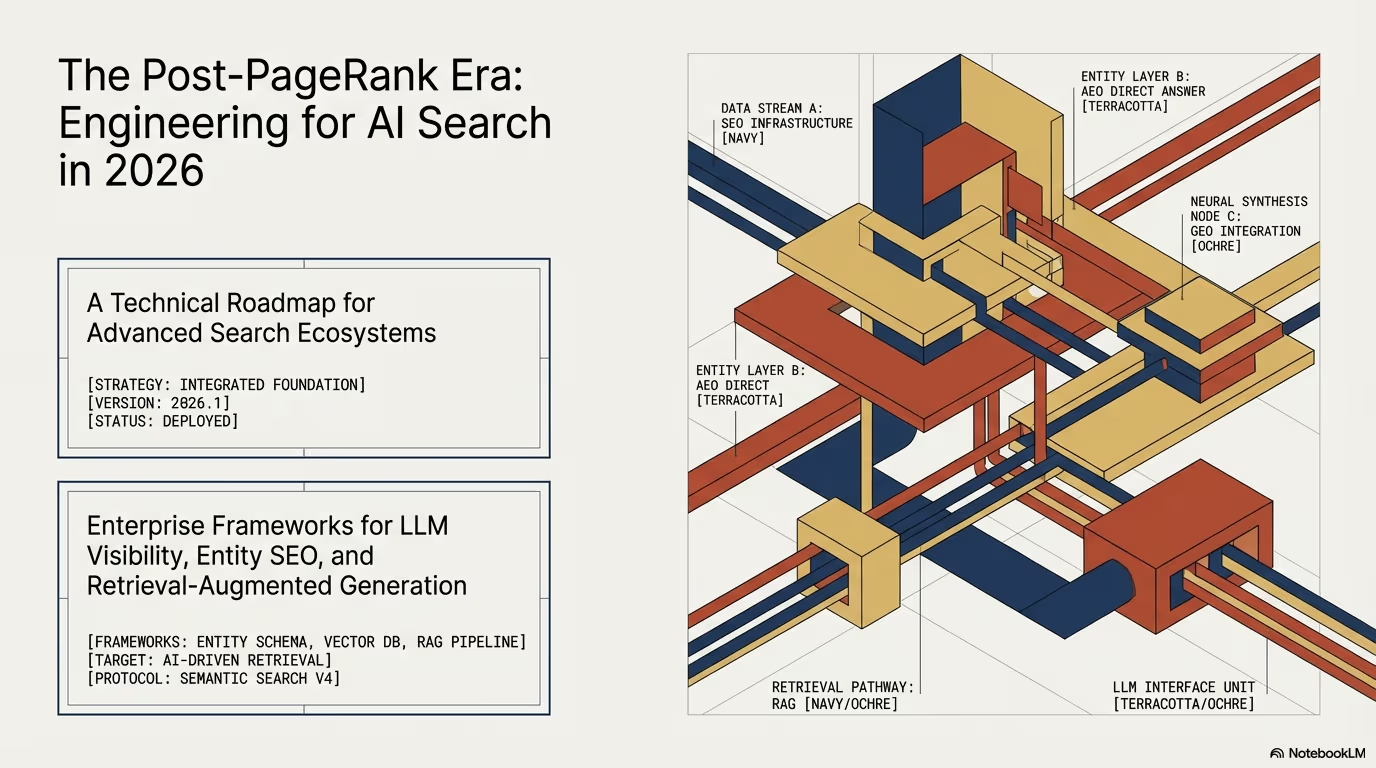
What the Abilities API, the MCP Adapter, Elementor's MCP beta, Block Runner and the WordPress 7.1.1 security credits mean for WordPress sites that AI agents read and edit.
Our ai-train=no reservation sat in the User-agent star group, and not one of the twenty named crawlers it was written for could see it. RFC 9309 has no inheritance between groups. Here is how to check your own file.
Freelancer or agency for WordPress in 2026? An honest decision guide: risk structure, total cost of ownership, hybrid models and a due-diligence checklist.
How to compare WordPress agencies in 2026:\ eight verifiable criteria, five red flags, ten questions with model answers and an honest look at Polish agencies.
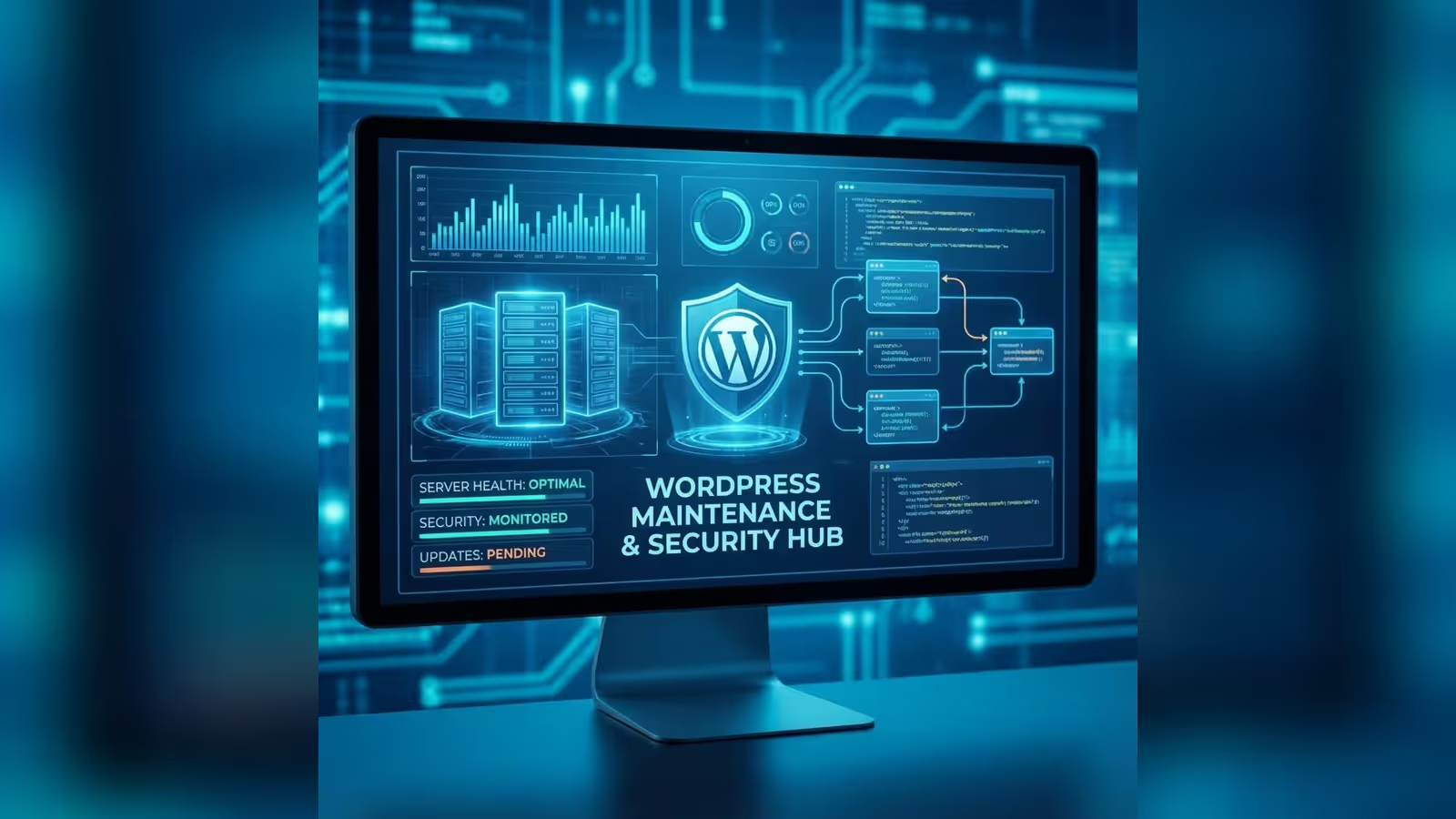
What a serious WordPress maintenance contract must contain in 2026, how the cost logic works, and how to switch providers with zero downtime.
What a WordPress website really costs in 2026: scope, integrations, maintenance and accessibility as honest cost drivers, with budget ranges and the published price list.
Since 26 August 2026, links in Google results go through google.com/goto instead of straight to the page. What this changes in analytics, in rank tracking tools and in WordPress, and what it does not change at all.

WP Rocket 3.23.2.1 and earlier fatal on WordPress 7.1: TypeError in Cloudflare.php line 562. GitHub report 6 July, sites down 19 August, fix 3.23.2.2 on 20 August. Update the plugin first.
Google now expands AI Overviews to a full AI Mode answer on some queries and pushes the ten blue links down. My Search Console numbers on offer URLs at positions 2 to 4, and what I changed so the overview has a fact to cite.
Google changed its JSON-LD extraction and now applies only one pass of HTML unescaping. Double-escaped entities are no longer unrolled, so the block stops parsing and the structured data disappears. How to measure your own corpus and how to encode it correctly.
Google splits site reputation manual actions by searcher location from 30 August 2026. Outside the EEA the demotion still hits the affected portion. Inside the EEA that impact does not apply; the section may rank independently. Why parasite SEO does not return.
WordPress 7.0 with AI Client against Astro 7 with the Rust compiler and Vite 8. Speed, cost, SEO and security compared, plus the real bill for my own Astro 6 to 7 migration.
A definitive 4-year Total Cost of Ownership (TCO) analysis, real-world Core Web Vitals benchmarks, Astro 7 GraphQL APQ architecture, and a 10-point executive decision matrix for choosing between decoupled and traditional WordPress.

Architect a fault-tolerant bi-directional ERP integration for WooCommerce using Redis queues, idempotent requests, database locks, and reconciliation loops.
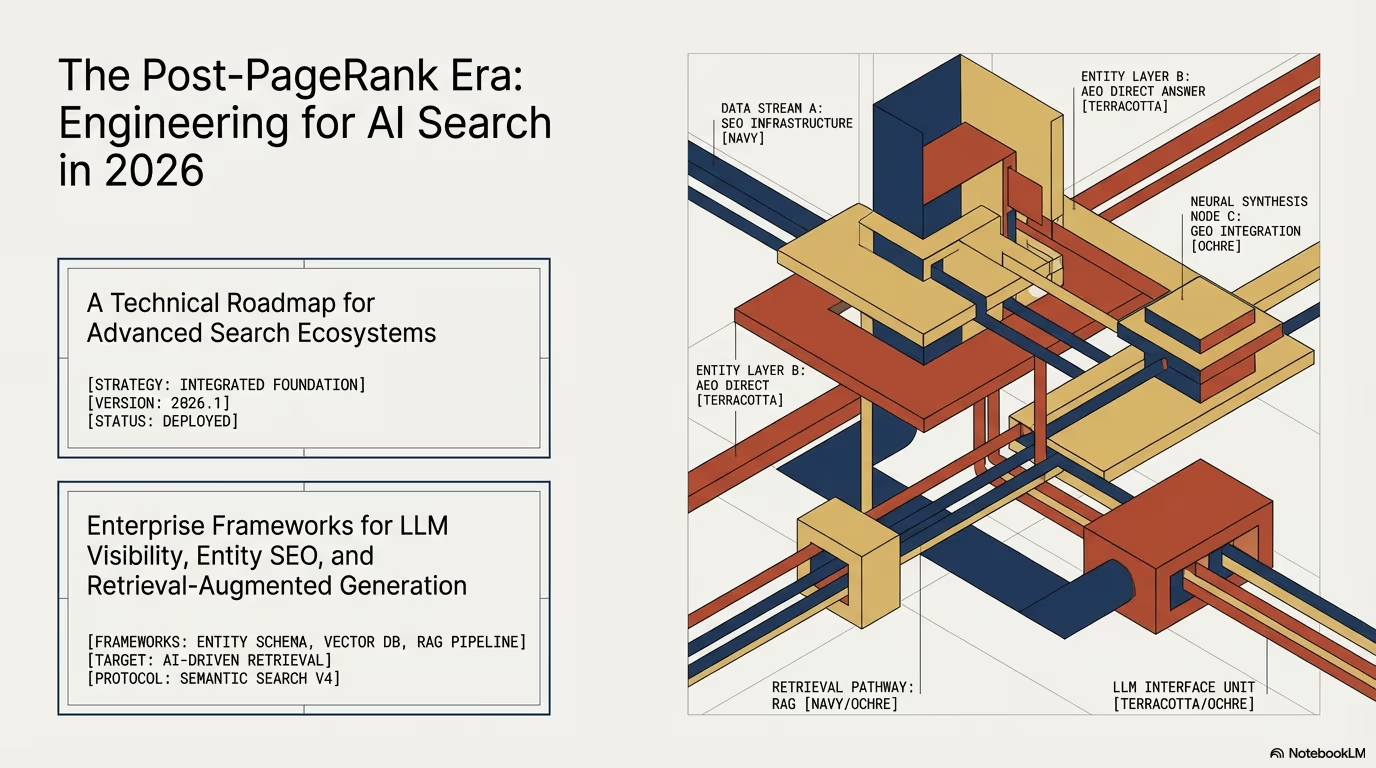
A practitioner guide to the live public endpoint wppoland.com/mcp and the woocommerce-mcp server. How to connect AI assistants (Claude Desktop, Cursor) to WordPress without plugins or write risk, practical business applications, and edge deployment lessons.
Cloudflare analytics for one small business site, 23 hours: 72.4% of requests carry no browser user agent, named search bots are 3.5%, and the edge cache hit ratio is 4%. What the numbers changed about how I run the site.
CVE-2026-65640 needs Author plus Imagick plus Ghostscript. File scanners miss remote JSON. Vibe-coded plugins skip review. Hardening is policy.xml, not another security plugin.

Poland's NIS2 implementation has applied since 3 April 2026. Its definition of a managed service provider covers remote administration, so it describes anyone who maintains someone else's WordPress. What the text says, and what it does not.
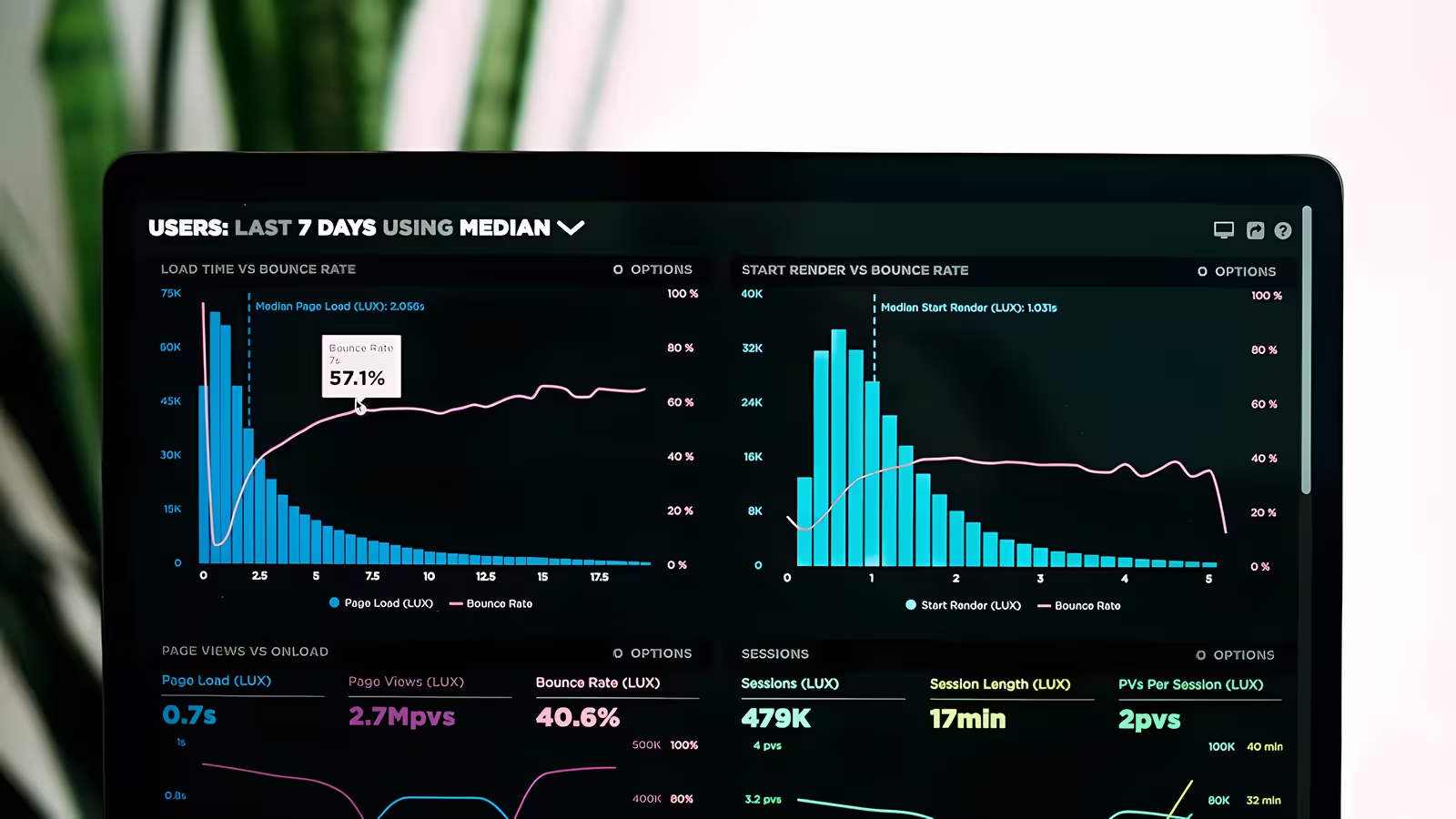
We measured the WordPress.org directory. 35,696 of 69,286 plugins have had no update in two years. About 2,100 of them still run on a thousand sites or more each.

WordPress.org holds every plugin release for up to six hours. Patchstack measures the median time to mass exploitation at five hours. The public record does not say whether a security patch is exempt.
The post editor is always iframed in 7.1, with no opt-out. What breaks in block JavaScript and asset enqueueing, and the fixes with runnable code.
The July 2026 wave of the Japanese keyword hack renders only for Googlebot, which is why Wordfence, Sucuri and MalCare report a clean site. How to prove cloaking in one command and clean it in the right order.
I turned a static marketing site into a live, read-only Model Context Protocol server at POST /mcp. Not a store, a content site: why I did it, the Cloudflare Pages Function that runs it, hand-rolled JSON-RPC with zero SDK, and the read-only safety stance behind the request_quote tool.
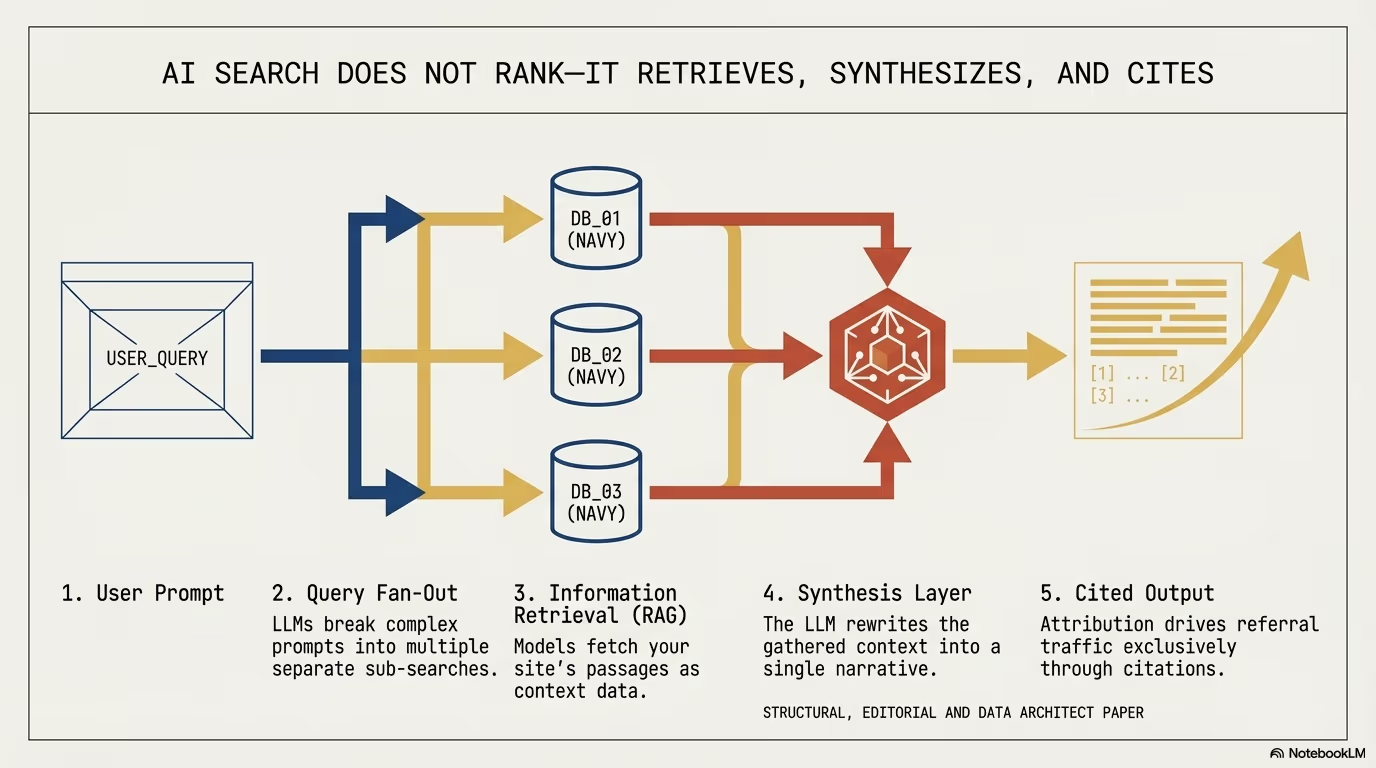
Google shut off the Content API for Shopping on 18 August 2026, so v2.1 calls now return 410 Gone. If your WooCommerce store feeds Merchant Center through the official plugin you are fine, but custom integrations that never moved to Merchant API are already offline.
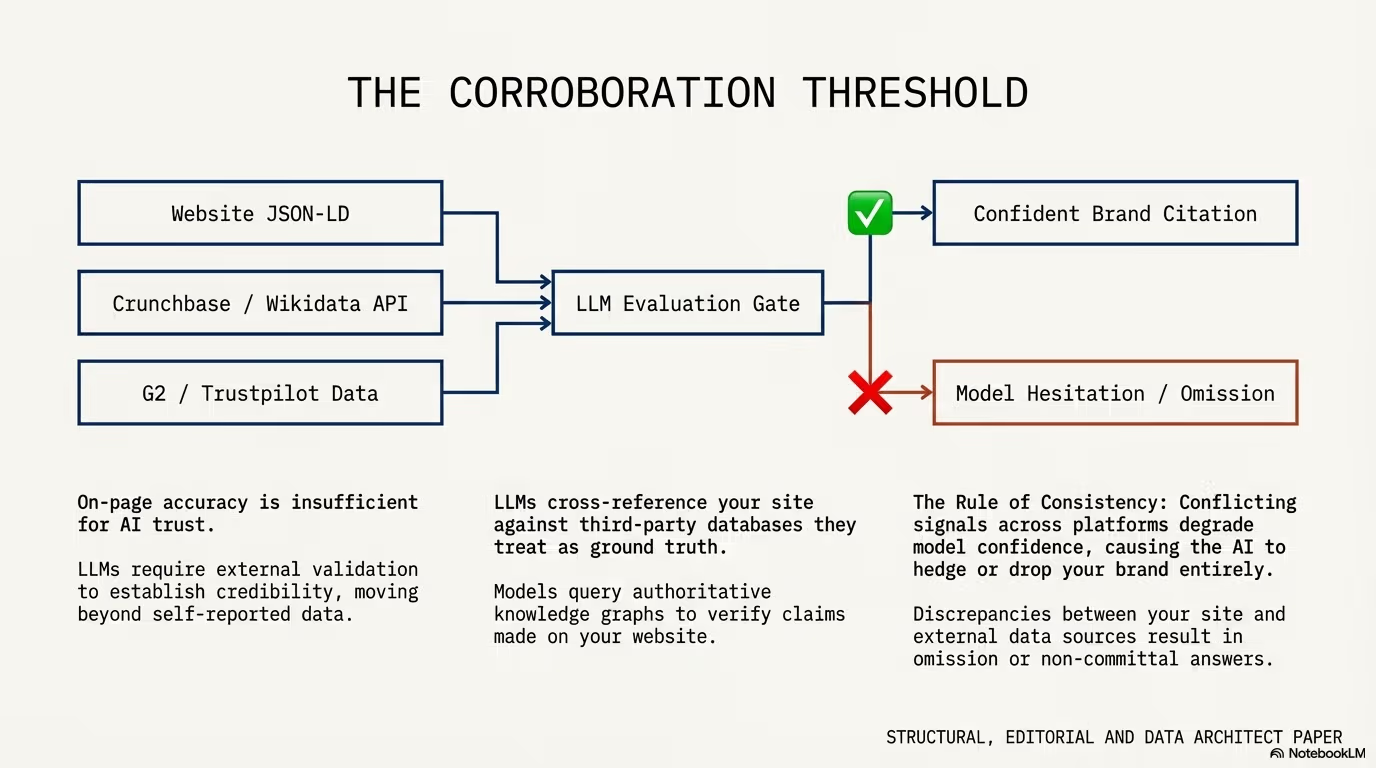
AI agents now place WooCommerce orders server-side, so the browser pixels your reporting depends on never fire. Here is what breaks, why the Conversions API is not an automatic rescue, and how to instrument agent checkout properly.

We published @wppoland/woocommerce-mcp - a read-only Model Context Protocol server for WordPress and WooCommerce. Install from npm, wire Claude or Cursor, and let agents answer stock and order questions without write risk.

A YMYL diagnostic for WordPress sites: how to find fake stats, fabricated citations, duplicate AI pages, wrong dates, and invented team bios before they damage trust, compliance, or AI citations.

Our own Geoboard baseline showed Perplexity as the strongest engine and ChatGPT with zero presence across eight tracked prompts in the same run. Here is the mechanism behind that split, and what it means for procurement, evaluators, and agencies reporting AI visibility to clients.
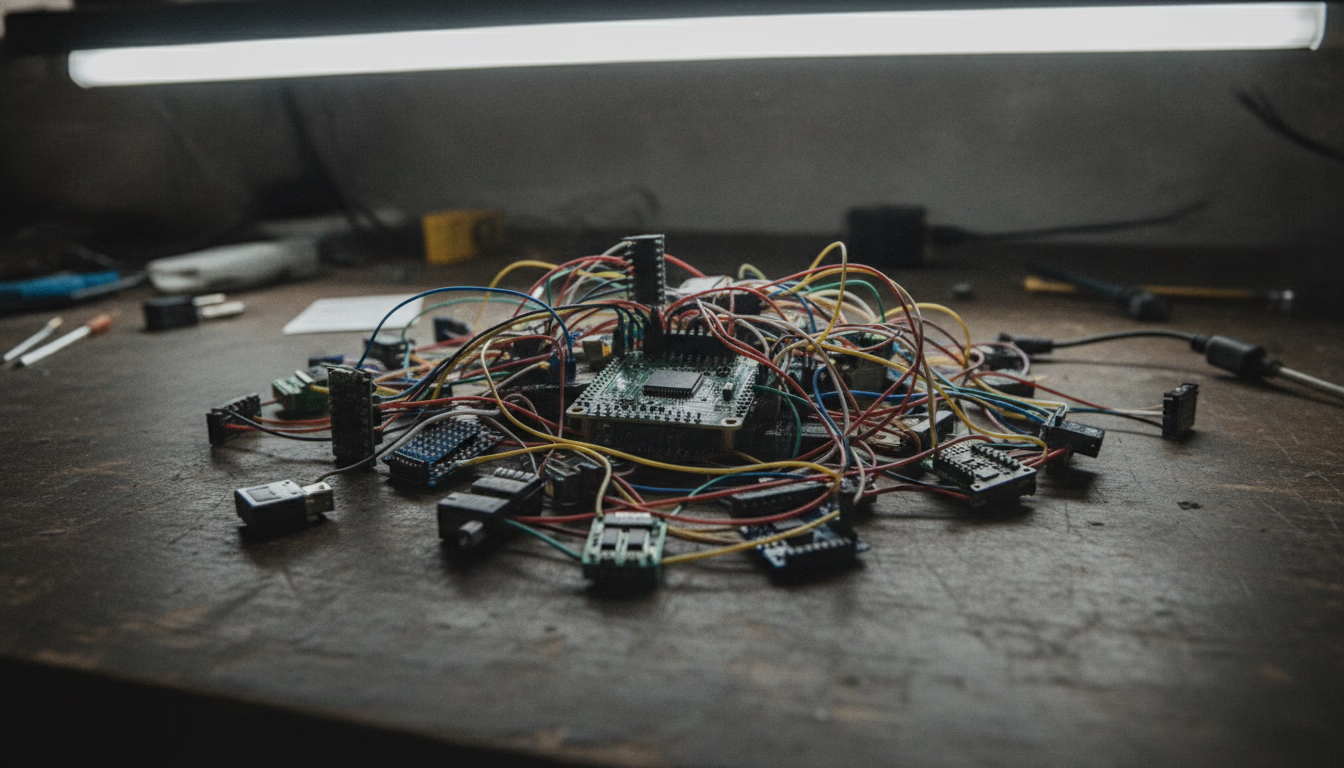
An anonymised rescue case: a B2B services site arrived with 38 active plugins, TTFB at 1.47s, and three AI-generated custom plugins on top. How we cut the stack to 21 plugins and brought median TTFB under 0.7s without a rebuild.
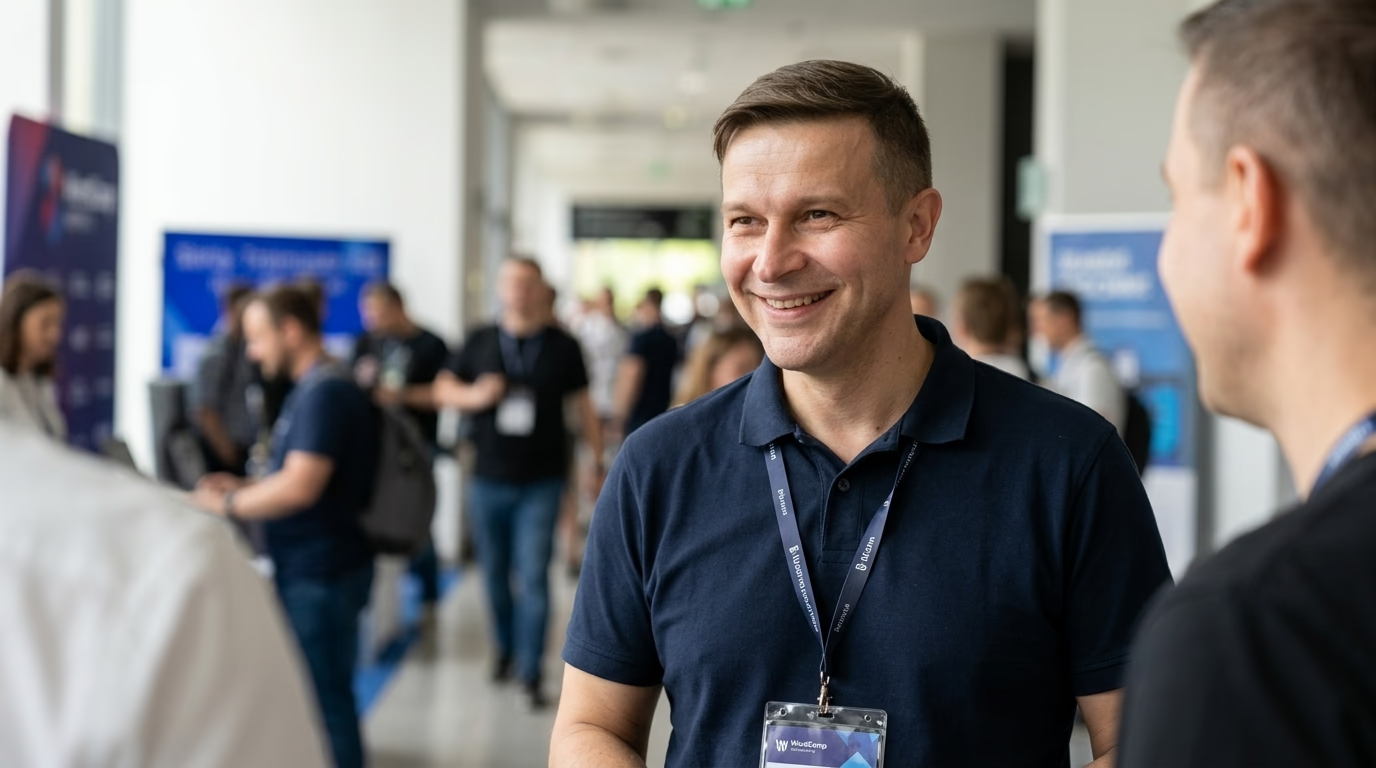
BFSG and the EU Accessibility Act require a published accessibility statement with a working complaint mechanism, not just a compliant front end. This is a copy-ready template structure mapped to EN 301 549 clauses and WordPress deliverables.
Most AI-visibility dashboards sell one number. I show the query families, the metrics that actually predict revenue, the monitoring stack I run on my own site, and the cadence table procurement teams should demand from any GEO vendor.
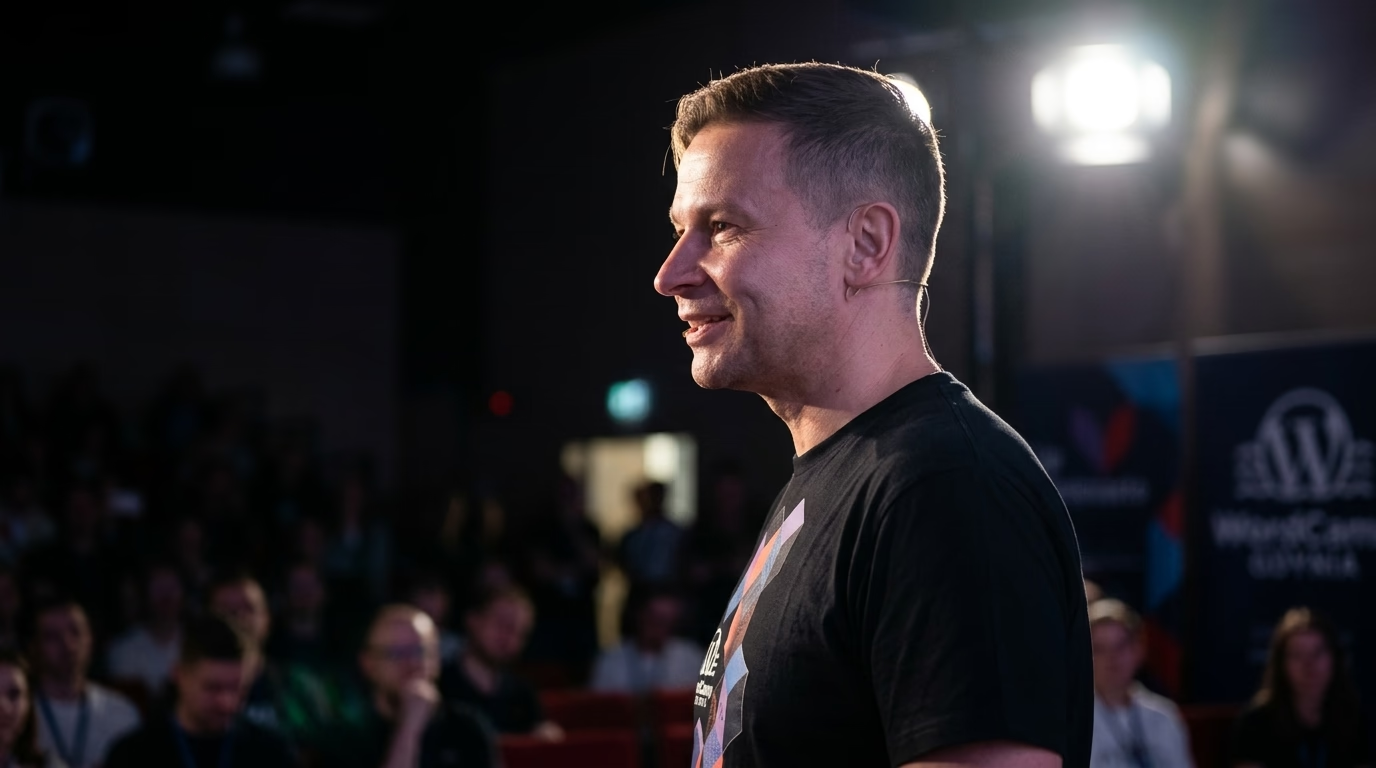
I launched a 90-day first-party AI-citation series on wppoland.com. This is the baseline and methodology, not invented weekly charts. Geoboard snapshot, manual spot checks, and what procurement teams should ask vendors.
A WordPress agency read on the June 2026 search shifts: the May Core Update, Google's AI performance report and opt-out toggle, bots passing half of web traffic, the third-party SEO tools guidance, quiet deindexation, and the June Spam Update.
The new Generative AI section in Google Search Console reports impressions from AI Overviews and AI Mode. What it measures, what it leaves out, and how to read the data without drawing the wrong conclusions.
A senior developer's data-backed take on vibe coding, agentic coding tools (Lovable, Bolt.new, Cursor, Claude Code, Google Antigravity, AWS Kiro) and WordPress. Where AI-generated sites break, how to spot one, and when a project needs a foundation instead of a generated screen.

Failure patterns in vibe-coded WordPress plugins: missing nonces, unsanitised input, SQL concatenation, absent capability checks, and PHP files without ABSPATH guards. Anonymised audit examples for senior review.
Greg Ziółkowski proposed merging wp_knowledge and AI Guidelines into WordPress 7.1 core. Matt Mullenweg vetoed it. The Classic block phase-out was reversed. What agencies should actually do after Mary Lou shipped.
WordPress.org has cut the mandatory update cooldown from 24 hours to six, with work underway to skip it entirely when the Gandalf AI review finds no issues. What changed, and what agencies maintaining B2B sites should do about it.
I pointed AI-visibility monitoring at my own site for a quarter. Three runs, three different instruments, and the finding that none of those numbers can be read without the method behind it. What they showed, what they never measured, and what I track now.
A real audit of an SME WordPress site: Elementor pinned at 3.11.1, below the fixes for five CVEs listed in NVD, and Contact Form 7 at 5.8 exposed to CVE-2023-6449 (arbitrary file upload). The outdated-plugin pattern, CVE triage, staging updates and WAF limits.

An insurance comparison site arrived with 30+ plugins, a 705 MB database, and a 7.7s LCP. The worst offender was a view counter writing to wp_postmeta on every load. A real teardown of the plugin-sprawl pattern that fast and AI-assisted builds keep producing.

A June 2026 live test showed six of seven leading Western AI assistants read only raw HTML, not JavaScript-rendered content. What that means if your facts load client-side, and why our stack already serves everything server-side.
Anne McCarthy's WordPress 7.1 roadmap was framed around collaboration, yet real-time collaboration slipped again. WordPress 7.1 Mary Lou shipped on 19 August 2026. What actually landed, what was cut, and what the canary-deployment debate still says about how WordPress is built.

A single week in June 2026 saw the Awesome Motive CDN breach, the ShapedPlugin build pipeline compromise, and a 13-year backdoor campaign exposed. The common thread: the official update channel was the attack vector. What store owners should actually change.

The 2026 debate over how to serve content to AI agents conflates three different layers. A practitioner view from a stack that already serves clean semantic HTML and Schema on Cloudflare.

From the room in Kraków and from the hard data: WordPress has slipped below 42 percent share and is losing for the sixth month running. The decline hits products, not services, and the smart move is migration readiness and a modern stack, not flight.
A buyer's guide: agency, freelancer or in-house team, what questions to ask before signing, how to judge performance and security, and who owns the rights to the code, design and content once the project is done.

A practical guide to WooCommerce plugins: payments, shipping and invoicing, performance, supply-chain security, and when a paid plugin pays for itself faster than a free one.
Real-time collaboration was pulled from WordPress 7.0 two weeks before release. The 7.1 attempt was punted as well. WordPress 7.1 Mary Lou shipped on 19 August 2026 without live multi-user editing. The database problem, the testing strategy, and what agencies should do now.

Kevin Ohashi's Review Signal benchmarks returned in 2026 after a three-year gap, powered by a brand-new open-source load-testing platform. We break down the five price tiers plus WooCommerce, name the winners, name the hosts who sat it out, and translate the data for European agencies.
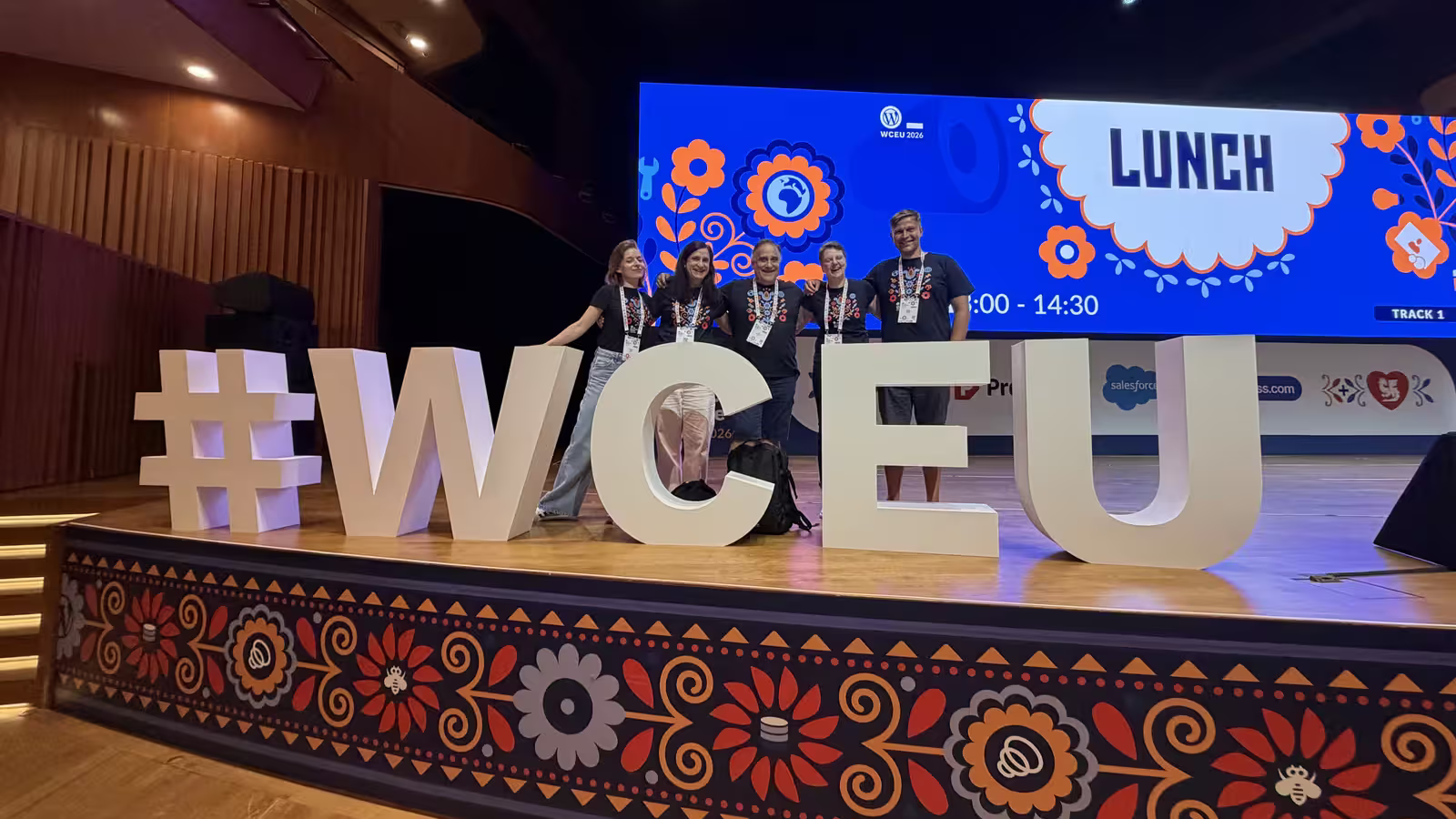
WordCamp Europe 2026 in Krakow drew 2,442 attendees from 81 countries and 779 contributors across 26 teams. A view from inside the WCEU Budget Team, the CERN keynote, the new meetup signals from Italy, Spain, and Costa Rica, the Local Team that made it work, and what Malaga 2027 means.
Article 50 of the AI Act has applied since 2 August 2026 and imposes transparency duties on companies that use AI. What you actually have to label, when editorial review lifts the obligation, and how to put two layers of labelling into practice for media, marketing and agencies.
WordPress market share has been falling since early 2025, to 39.3 percent on 10 November 2026. A source-backed senior take: why this is not the death of the platform, who is really gaining, and what it changes for businesses and WordPress developers.
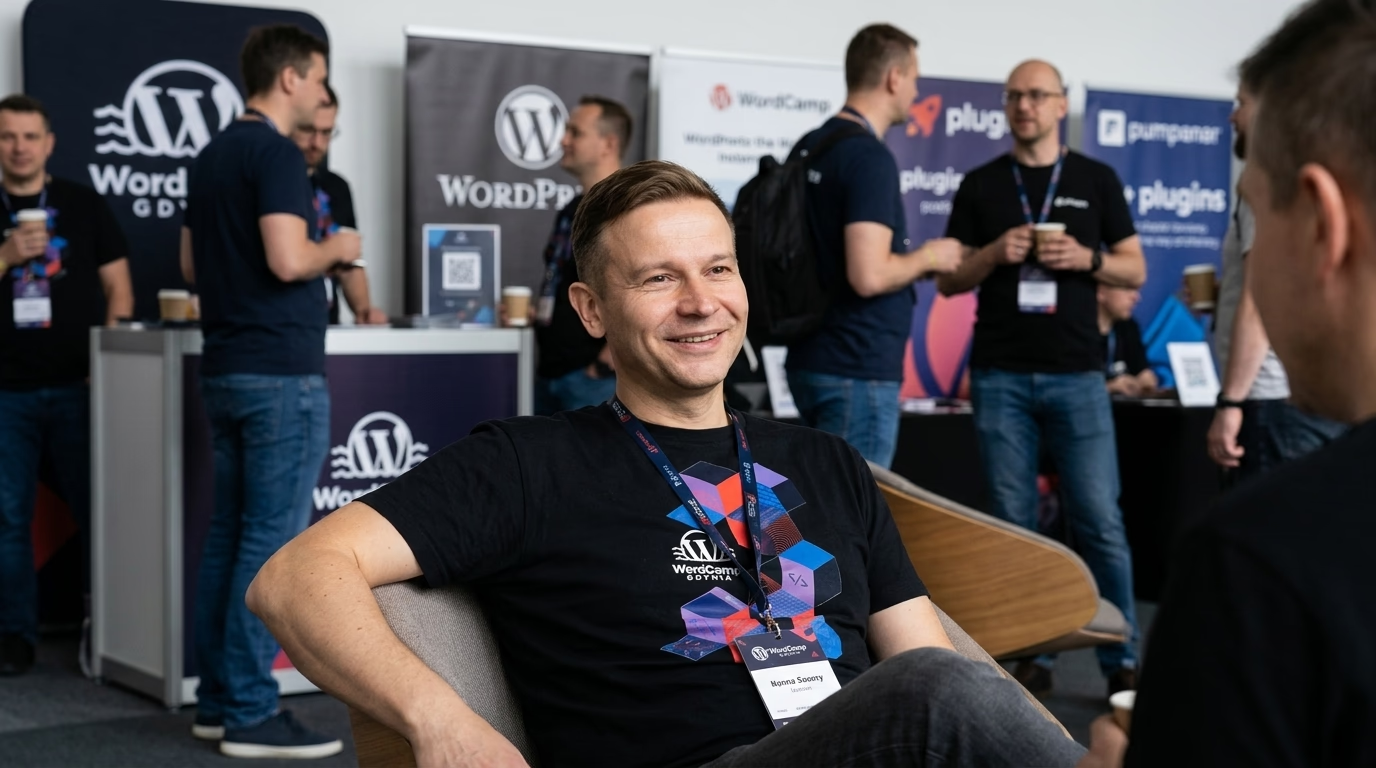
A source-backed senior take on the AI productivity paradox in 2026. Why generative AI helps but rarely explodes output, and what that means for WordPress agencies running WordPress 7.0 AI features.
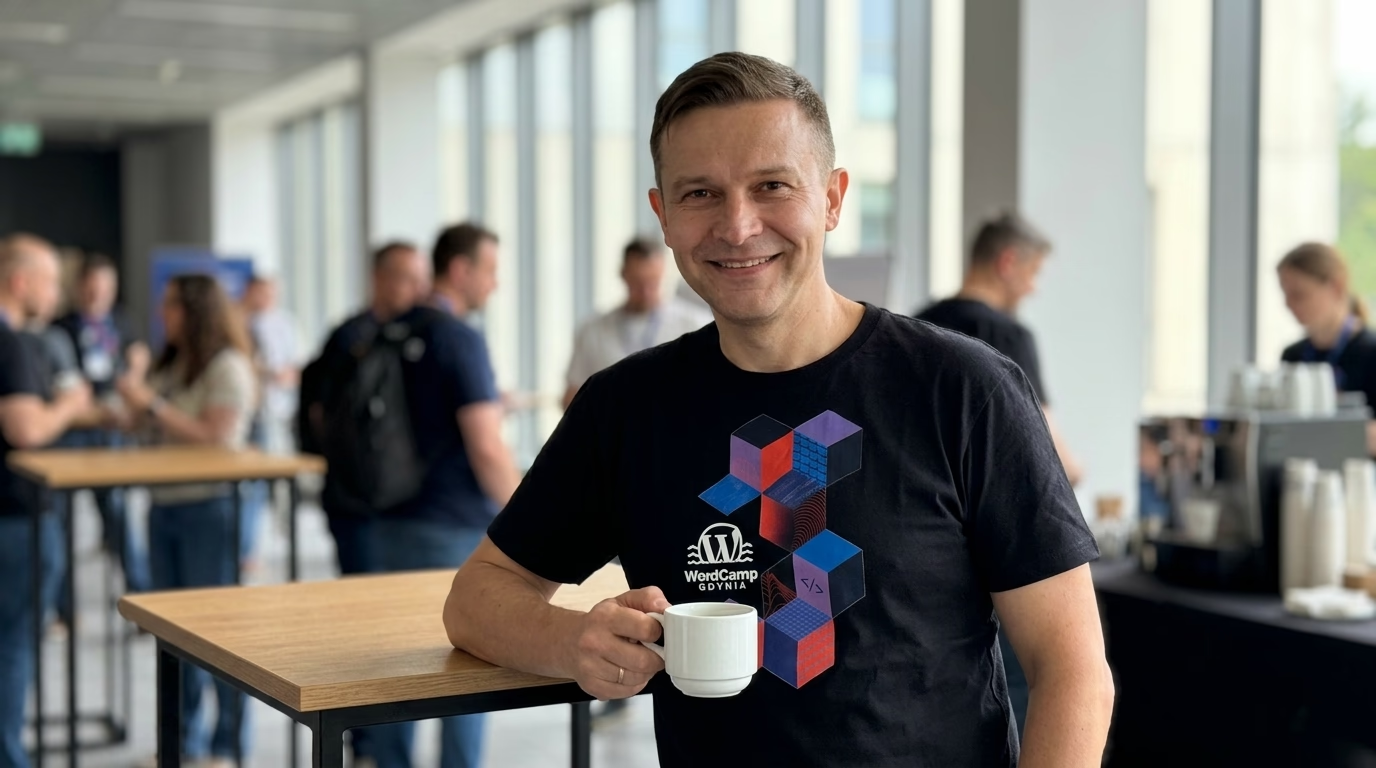
WordPress 7.0 added a Connectors screen that stores AI provider credentials, and some hosts auto-installed AI plugins. Here is the threat model and a hardening checklist.
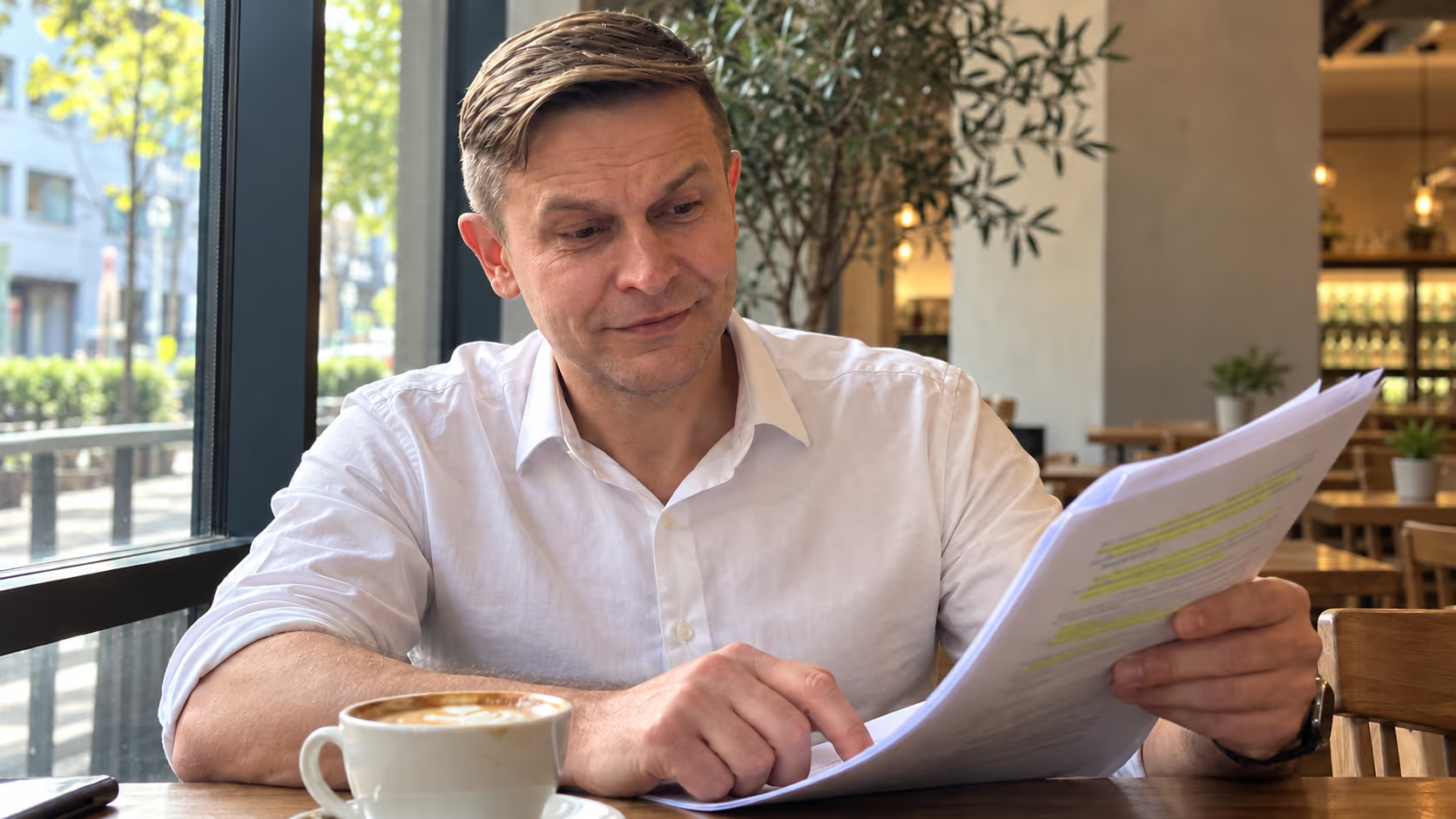
Jean Galea says WordPress stopped being his automatic first choice. He is right about the symptom. The diagnosis of decline is wrong. The honest read from an agency that still ships WordPress: this is re-segmentation, not death.

The initial port from WordPress to Astro took weeks. The months since December 2025 went to redirects, hreflang, six-locale parity, and a build that outgrew Cloudflare's runner. A report with figures measured on 20 October 2026.
Generic text-to-image gives you a stranger. A face reference drifts. A LoRA that renders laptop screens looks uncanny. What finally worked for a consistent editorial hero across hundreds of posts, and why.

Cloudflare Pages documents a 2,000-rule limit on _redirects, but the cap that actually bites is 100KB of file size. Rules past the byte cutoff are dropped at deploy with no warning. A production diagnosis.

AI translation in multilingual WordPress nails 99 percent of prose, then breaks the structural fields - slug, canonical URL, hreflang, taxonomy terms, redirect map. Operations report from 6 locales.
Metorik founder Bryce Adams told WP Product Talk that the company's MCP integration drew 500 users within days of a quiet preview launch, faster than any feature he has shipped in ten years. He also said customers churning out of Metorik have an average MRR 40 percent lower than retained ones, suggesting AI is taking the commodity use cases, not the core ones. GravityKit just open-sourced Block MCP for block-level WordPress edits. The pattern is clear: in 2026, the plugin that ships an MCP server is the one that compounds. The plugin that bolts a chat box onto its admin is the one that gets cannibalised.
GuardingWP's inaugural State of WordPress Security 2026 report scanned 424 confirmed WordPress installs across 40-plus verticals. The headline finding is that more than half ship at least one plugin with a known unpatched CVE. Patchstack founder Oliver Sild said WordPress 7.0 will trigger an "absolute rush by hackers to steal API keys." This article reads both as evidence that the plugin economy is the structural problem and NIS2 plus DORA already encode the fix.

Recap from WordCamp Portugal 2026 in Porto: accessibility as an SEO signal, WordPress Abilities API, AI in core, Claude Code and the agency model shift.
A focused May 2026 WordPress ecosystem update covering WordPress 7.0 RC4, StellarWP, Envato, WooCommerce AI infrastructure, Abilities API, MCP and security risks.
A market study of WordPress agencies and professionals in Spain. Comparing local freelancers, agencies and nearshore providers, and what to check in each contract.
Takayuki Miyoshi, the creator of Contact Form 7, has confirmed that his next project Contactable.io will launch as a RESTful API on Cloudflare Workers. What it means for your WordPress stack, for GDPR, and for forms strategy in 2026.
A detailed look at rolling out Astro and headless WordPress for corporate websites in Spain. Mobile performance, Core Web Vitals and SEO in 2026.
A complete guide to building a headless WooCommerce store for the Spanish market, covering Redsys, Bizum and integration with Spanish carriers.

How to pair WooCommerce as the commerce backend with an Astro front end for Core Web Vitals, carts, webhooks, and technical SEO. Architecture, PCI boundaries, and a deployment checklist without zero-latency fairy tales.

Four 10+ year senior engineers interviewed in ShiftMag converge on the same answer about staying relevant. AI is an amplifier, ownership stays human, and M-shaped depth beats single-track specialism.

A technical guide to the digital regulations that apply to WordPress sites in Spain. Practical requirements for GDPR, AEPD rulings, LSSI-CE, VeriFactu and NIS2.
Austin Ginder disclosed four WordPress.org plugin backdoors in 30 days, plus an author who ran a hidden update server for five years. What it means for NIS2 and DORA dependency maps.
CRA covers products with digital elements. NIS2 covers entities. DORA covers financial entities. Headless WordPress meets the CRA on the product side and NIS2 or DORA on the client side; for financial entities DORA applies instead of NIS2. I sketch what the joint evidence package looks like in 2026.
Article 28 of Regulation 2022/2554 makes financial entities responsible for the ICT risk of every third-party they touch. I walk through the supplier due-diligence checklist I ship with WordPress engagements for banks and insurers in 2026.
Article 28(3) of Regulation 2022/2554 obliges financial entities to keep a Register of Information on every ICT third-party arrangement. The fields a WordPress agency must populate to be entered.
How to ship a Tailwind v4 design system inside WordPress 6.7+ block themes without breaking editor parity, theme.json tokens or JIT compilation. A practitioner playbook covering setup, block patterns, and the gotchas.
A practitioner walkthrough to ship a WordPress site that ranks in 2026. Technical SEO, Core Web Vitals, schema, AEO, GEO, hreflang and the sequence that gets it right the first time.
Four working approaches to multi-language WordPress in 2026, with the trade-offs that decide which one fits your site. WPML, Polylang, MultilingualPress, and headless on Astro / Next.js compared by editor experience, SEO, performance and operational cost.
Article 21 of Directive 2022/2555 lists ten risk-management measures every in-scope entity must implement. I map each one to a WordPress agency control, with the evidence file each one requires for audit.
Article 23 of Directive 2022/2555 sets three reporting deadlines: an early warning at 24 hours, a full notification at 72 hours, a final report at one month. What the WordPress agency must produce inside each window.
NIS2 (Directive 2022/2555) and DORA (Regulation 2022/2554) cover similar ground but with different mechanics. Where they overlap, where they diverge, and how a WordPress agency satisfies both with one evidence trail.
How to start as a WordPress developer in 2026. Local environment, theme and plugin development, REST API and headless paths, security and Core Web Vitals. A practitioner playbook that does not waste your first month.
Article 23 of NIS2 gives 24 hours from awareness to file an early warning with the CSIRT. This playbook lists the WordPress-specific signals that trigger the clock and the template I file when the clock starts.
A practical walkthrough of building a Model Context Protocol server in front of WooCommerce. Tool definitions, catalogue and order endpoints, schema.org alignment, Zod validation, and a Cloudflare Workers deployment that an AI agent can talk to.
A working set of authentication patterns for Model Context Protocol servers. OAuth for human-delegated agent access, scoped API tokens for B2B and headless flows, when to require auth versus stay anonymous, rate limiting, and what to log.
A decision guide for picking between Model Context Protocol and a REST API when the consumer is an AI agent. Typed surface vs JSON shape inference, mutating actions, authentication, and the hybrid pattern that often beats both.
A four-week migration playbook for putting a Model Context Protocol server in front of an existing WordPress REST API. Endpoint audit, MCP scaffold, parallel-run, cutover, and the observability that makes the move safe.
How to design Zod schemas for MCP tool inputs and outputs, including idempotency keys, error response shapes, and the typed agent contracts that prevent silent drift between the MCP server and a WooCommerce origin.
With Vercel preparing for an IPO and rising European concern about US jurisdiction, what do European WordPress developers actually pick in 2026. Cloudflare, Astro, and the case against the default.
No Fluff Jobs reports a 45 percent drop in applications per IT job offer in 2025, while the number of offers grew by 44 percent. Senior ads fell from 31 to 19 applications, mid ads from 48 to 28. A polemic against two narratives: "employee market" and "employer market".

The Shopify Plus vs WooCommerce headless decision in 2026 is no longer a binary "platform vs custom" trade-off. Both can run headless, both integrate AI, both ship at the edge. The real axes are control, total cost over five years, and exit strategy. This article walks the matrix with confirmed platform facts.
Six to sixteen weeks for typical engagements, with a four-phase shape: discovery, scoping, build and cutover, tuning. The variables are catalogue size, integration count, URL preservation, and editorial team readiness, not framework choice.
Just Join IT surveys for 2023, 2024 and 2025 show that around 60 percent of Polish IT specialists work fully remote and only around 7 percent go to the office every day. A polemic against the "return to office" narrative, built on job board data, Eurostat and the Polish Labour Code, and what it means for the western outsourcing buyer.

Automattic published the case for WordPress as the operating system of the agentic web. The post celebrates a 43% market share and full MCP support. It does not answer the most basic question. Who pays for the tokens once AI lands in the dashboard of a non-technical site owner.
The NIS2 Directive (2022/2555) was to be transposed into national law by 2024-10-17. The DORA Regulation (2022/2554) applies directly from 2025-01-17. For a WordPress site operator this means specific obligations if the site relates to a regulated entity. We explain it without panic, with references to the texts of the acts.
WCAG 2.2 was first published as a W3C Recommendation on 2023-10-05; the current published version on www.w3.org/TR/WCAG22/ is dated 2024-12-12. The EU Accessibility Act (Directive 2019/882) applies from 2025-06-28. Germany's Barrierefreiheitsstärkungsgesetz transposes it into federal law on the same date. This article is the implementation map for a WordPress site in 2026.
A practical GEO playbook for 2026. What actually moves AI citation rates in ChatGPT, Claude, Perplexity and Gemini, what is folklore, and the order to implement each lever.
Cloudflare Workers runs JavaScript and WebAssembly at hundreds of data centres in 100+ countries worldwide. Pairing Workers with a WordPress origin moves the read path off the WordPress server and turns WooCommerce into an edge-rendered store. Here is how the architecture works, where it breaks, and what to measure before adoption.

Senior B2B median in Polish IT is 24 360 PLN net, mid 18 000 PLN, junior 9 125 PLN. But "WordPress engineer" is not a single job. What WordPress, WooCommerce, Astro and headless really pay in 2026, with reference to No Fluff Jobs and Just Join IT reports.
Polish senior engineering is the post-Brexit nearshore standard for UK and DACH buyers. Eurostat counts 778,800 ICT specialists in Poland, 78.1 percent with a degree, and far fewer hard-to-fill vacancies than in Germany. The EU renewed UK adequacy until 2031. Here is what that means for an agency hire.
Thirty-one plugins closed after a Flippa buyer planted a backdoor in the first SVN commit. How to audit plugin ownership, detect compromise, and harden your sites against supply chain attacks.
Incremental Static Regeneration and Server-Side Rendering are not interchangeable. ISR wins when content changes on a predictable cadence and traffic is high. SSR wins when the page is personalised or session-driven. The choice is per-route, not per-stack.
In a headless WordPress build, the sitemap and the canonical URL must be rendered by the front end, not the WordPress origin. This is the specific pattern that prevents two sitemaps and two canonical URLs from competing.
WordPress.com offers five plan tiers in 2026, from free to enterprise. This guide breaks down what each tier includes, where the hidden costs are, and when self-hosted WordPress is the better investment.

622 WordPress agency owners across 51 countries shared their revenue, pricing, growth barriers, and AI adoption data. Here are the most important takeaways from The Admin Bar's 2026 survey.
Headless WooCommerce shifts cost and complexity. It pays back when mobile Core Web Vitals are tied to revenue, when the catalogue stabilises, and when a senior front-end engineer is in the loop. It does not pay back for tiny shops or for sites where the bottleneck is not the front.
An honest guide to migrating from Joomla to WordPress in Portugal in 2026: decision criteria, concrete phases, pitfalls and when to keep Joomla.
Headless WordPress shifts cost from one column to another, it does not delete it. Migration cost, edge runtime, and senior engineering time form the new bill. Here is the framework we use with clients to decide if the trade pays back.
When to migrate from Magento Adobe Commerce to WooCommerce headless in 2026: the criteria, the technical path and the mistakes that quietly cost international retailers money.
TYPO3 to WordPress in 2026: an honest decision rule, the migration path and typical pitfalls for DACH enterprise and public sector organisations.

Headless WordPress migrations rank well when they preserve seven specific signals: canonical URLs, hreflang, sitemap output, structured data, redirect history, robots.txt parity, and image search.

When a website rebuild makes sense: technical, business, and SEO signals that show further patching is costing more than a planned rebuild.
Next.js and Astro both sit in the Adopt ring of our Tech Radar Q4 2026. Deciding between them for a WordPress headless front end is not a taste question. It is a question about interactive surface area, build cost, and whose hiring market you are in.

WordPress 7.0 with AI Client vs Astro 6 after Cloudflare acquisition. Speed, cost, SEO and security comparison. My take after 20 years as a WP developer - when to migrate and when to stay.
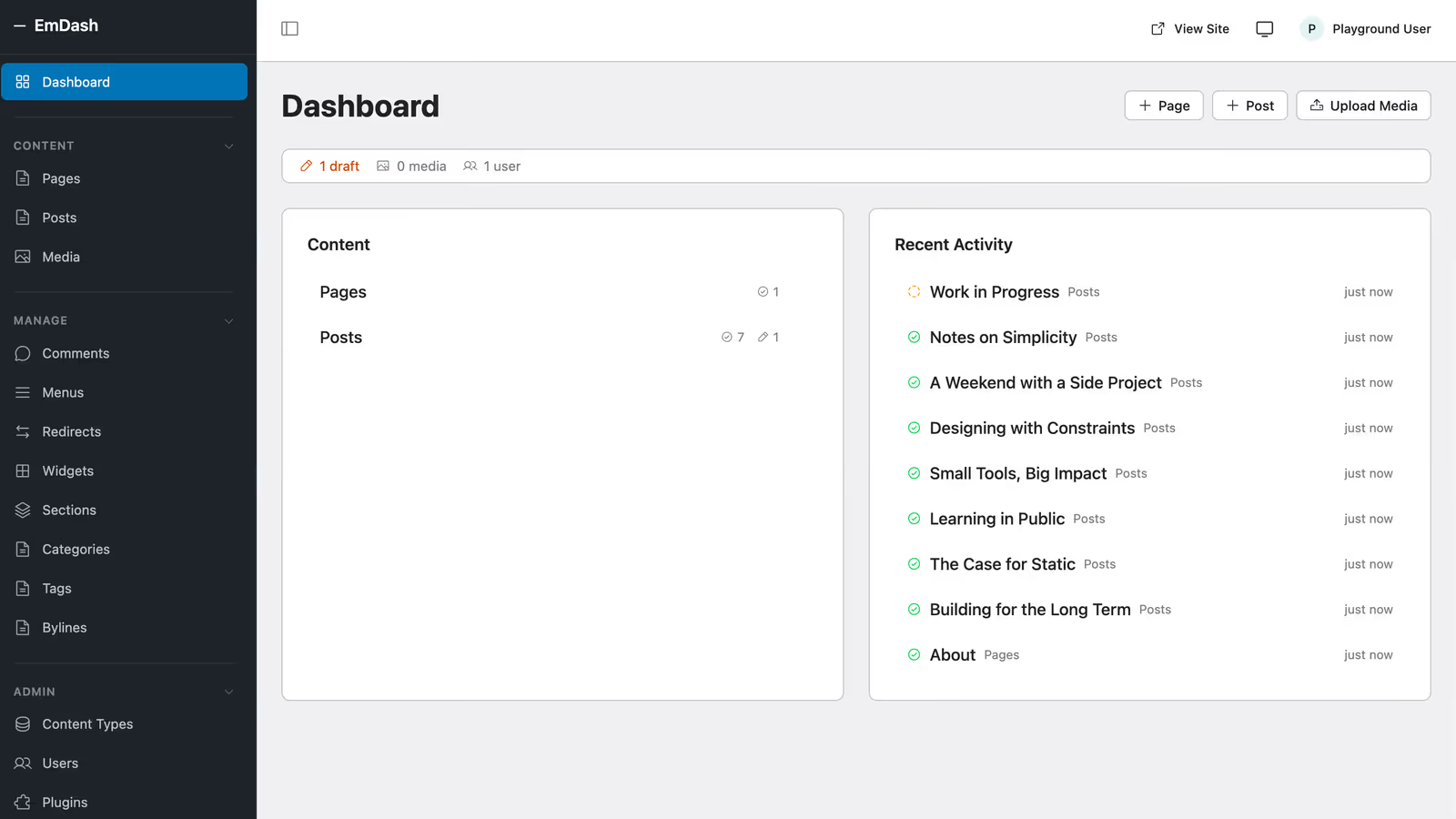
A detailed comparison table of EmDash CMS and WordPress across architecture, security, plugins, AI features, content model, hosting, and ecosystem maturity.
EmDash is a new open-source TypeScript CMS built on Astro by Cloudflare. It promises sandboxed plugins, serverless architecture, and AI-native features. What does it mean for WordPress?
WordPress 7.0 RC1 launches amid core committer concerns, market share drops below 43% for the first time since 2022 as AI-built sites surge, and Elementor launches Angie - the week's biggest WordPress news.
Learn how to create a WordPress staging site, push staging to live safely, and deploy from local development. Covers hosting staging, plugins, WP-CLI, git workflows, and CI/CD with GitHub Actions.
Gutenberg blocks, synced patterns, full site editing, custom templates, and block plugins for teams that want a cleaner WordPress editing system.
A detailed case study showing how WPPoland optimized a slow WooCommerce furniture store from PageSpeed 40 to 98, cutting load times from 8 seconds to under 1 second and doubling conversion rates.
A comprehensive WordPress security hardening guide for 2026 covering server configuration, authentication with Passkeys, WAF setup, CSP headers, database protection, headless security, and a 25-point audit checklist.
Practical notes on WordPress Multisite for enterprise deployments. Learn architecture patterns, scaling to 1000+ sites, security hardening, domain mapping, user management, and cost optimization for franchise, university, and government networks.
Master every aspect of WooCommerce performance optimization - from database tuning and Redis caching to cart fragment fixes and headless architecture. Practical steps with measurable results.
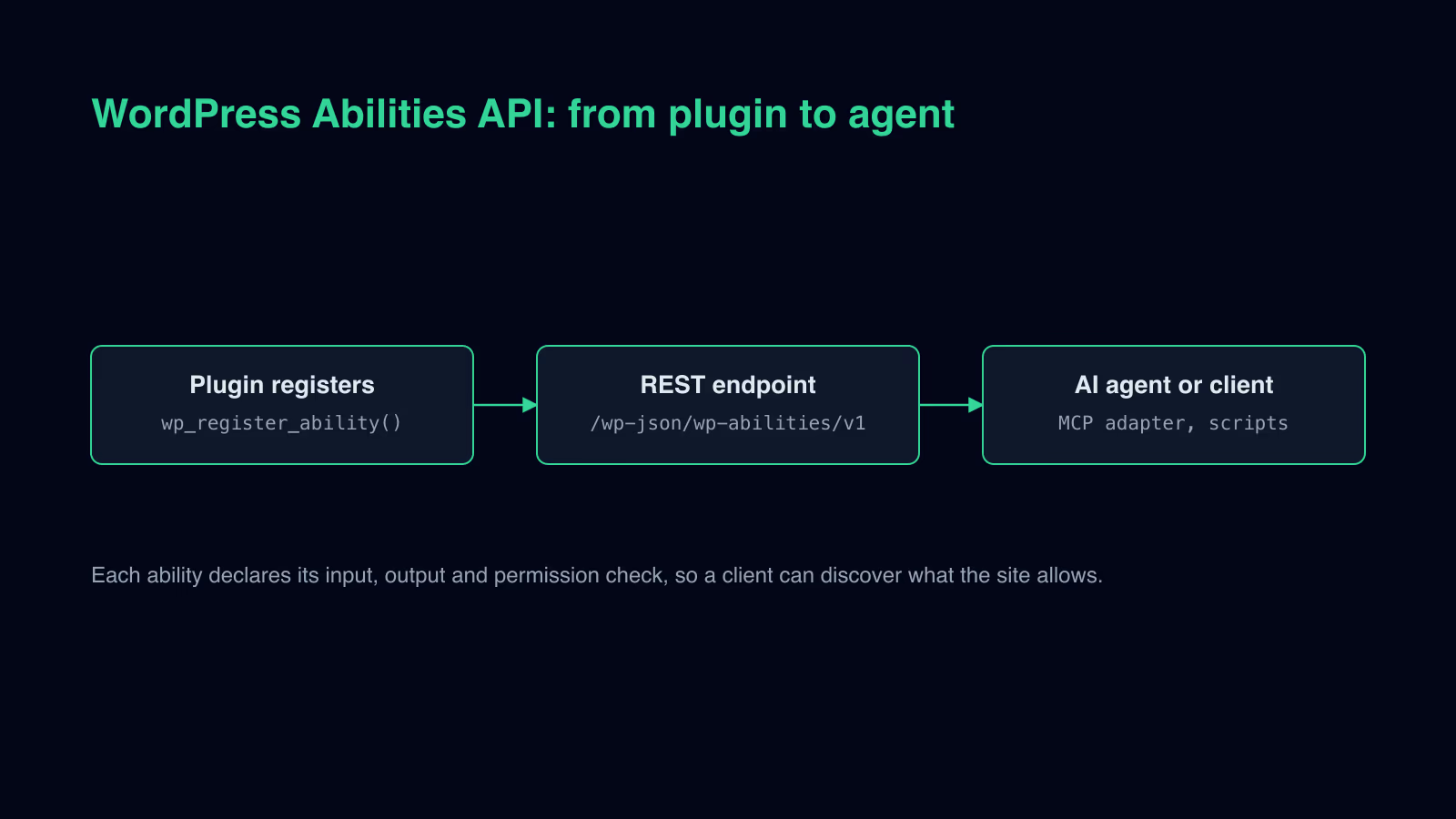
How to register, discover and execute WordPress abilities with JSON Schema, permission callbacks and authenticated REST endpoints.
Astro 5 or Next.js 15 - which framework should you choose in 2026? In-depth comparison of performance, architecture, use cases, and when to use each for WordPress Headless projects.
Which Schema.org types matter for AI search engines? Practical guide to AEO and GEO optimization - making your content discoverable by ChatGPT, Perplexity, Google AI Mode, and answer engines.
How to optimize Interaction to Next Paint (INP) on WordPress sites. Practical fixes for the newest Core Web Vital metric that directly impacts Google rankings.
Architecture for a WooCommerce catalog on Astro 7. What stays in wp-admin, which plugins die with the theme, Store API versus GraphQL, and why checkout stays on WooCommerce.
WordPress Playground now supports MCP (Model Context Protocol), letting AI agents like Claude and Gemini install plugins, run PHP, and manage WordPress directly in the browser. What this means for developers and agencies.
How to migrate your website to Next.js or Astro? Complete migration guide from WordPress, Joomla, Drupal and legacy frameworks. PageSpeed 95-100, SEO preservation, zero downtime.
Roots launched WP Packages, an open source Composer repository for WordPress plugins and themes. Here is what it means for Bedrock, Sage, and Trellis workflows in 2026.
Practical notes on installing WordPress with Docker Compose and Composer (Bedrock). Includes full docker-compose.yml, Xdebug configuration, .env setup, and deployment workflows from local to production.
WordPress Playground is no longer just a demo tool. An analysis of how Adam Zielinski's vision connects testing, private workspaces, AI, and new WordPress workflows in 2026.
Migrate from Shopify to WooCommerce without losing data, customers, or SEO rankings. Covers product transfer, 301 redirects, URL mapping, WP-CLI automation, and post-migration checklist.
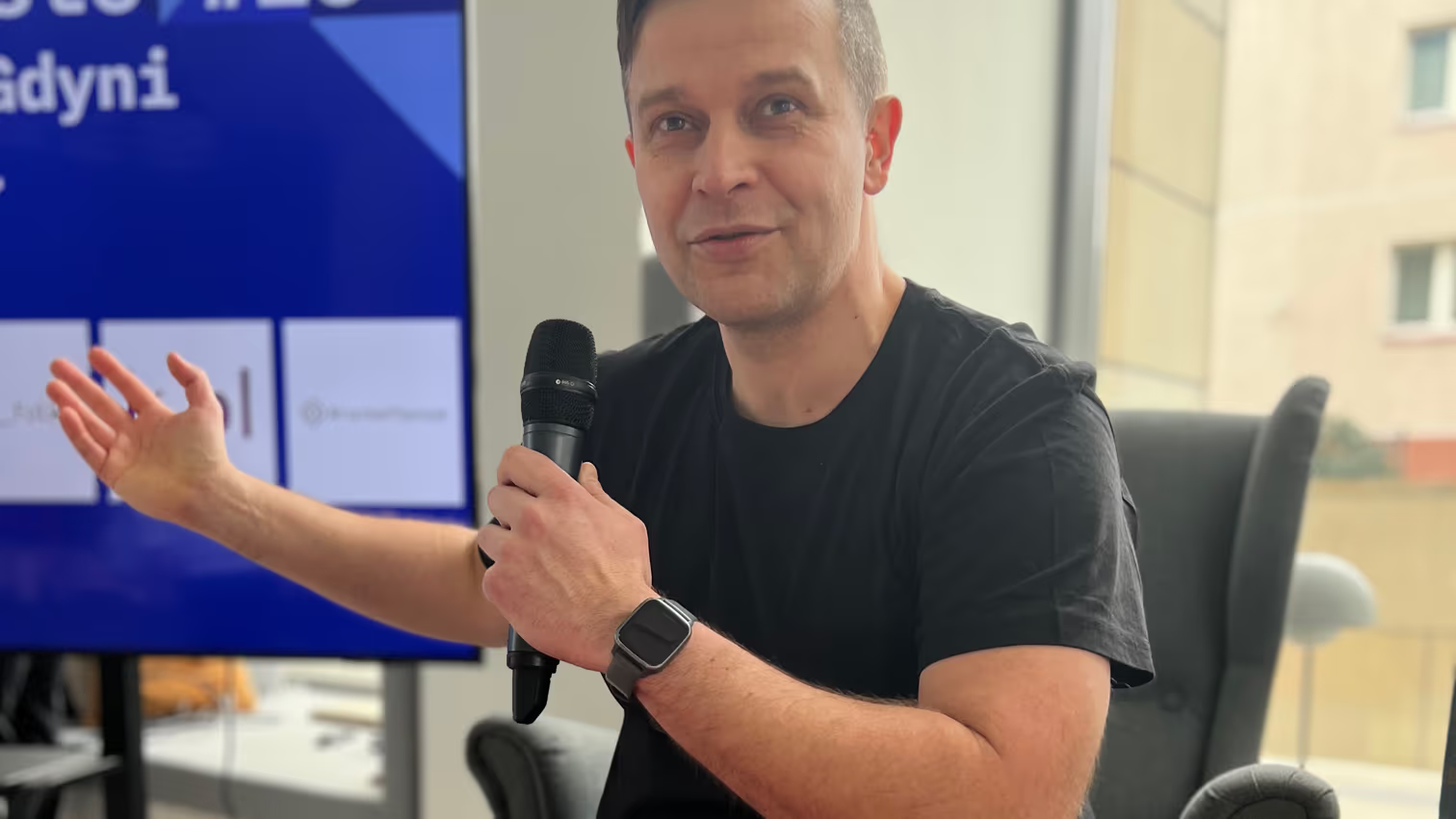
CloudFest Hackathon 2026 breaks records with the number of projects and a new schedule. Learn about the details of the largest event for the open source and WordPress community in Europe.
Discover how Nick Hamze is transforming the way millions of WordPress users find quality plugins. Learn about the Hidden Gems initiative that could revolutionize the plugin ecosystem.
Compare the best image optimisation plugins for WordPress, configure WebP/AVIF delivery, extract critical CSS, and set up LiteSpeed Cache for maximum PageSpeed scores.
Yoast introduces the Schema Aggregation feature, built with the Microsoft NLWeb team. Learn how the new endpoint changes the way AI agents and search engines read WordPress structured data.
Set up WooCommerce for the UK market with the right payment gateways, Royal Mail shipping integration, VAT configuration, and Making Tax Digital compliance. Practical code examples included.
Writing code still matters, but results now depend on how teams orchestrate AI agents. This guide explains a practical agentic workflow and how to adopt it without losing quality.
Creating software is getting easier. Find out why distribution, relationships, and brand matter more than code in the age of AI tools.
What is a WordPress developer, what does one do, and will AI replace the role? Honest look at rates, skills, and the real impact of AI on WordPress development in 2026.
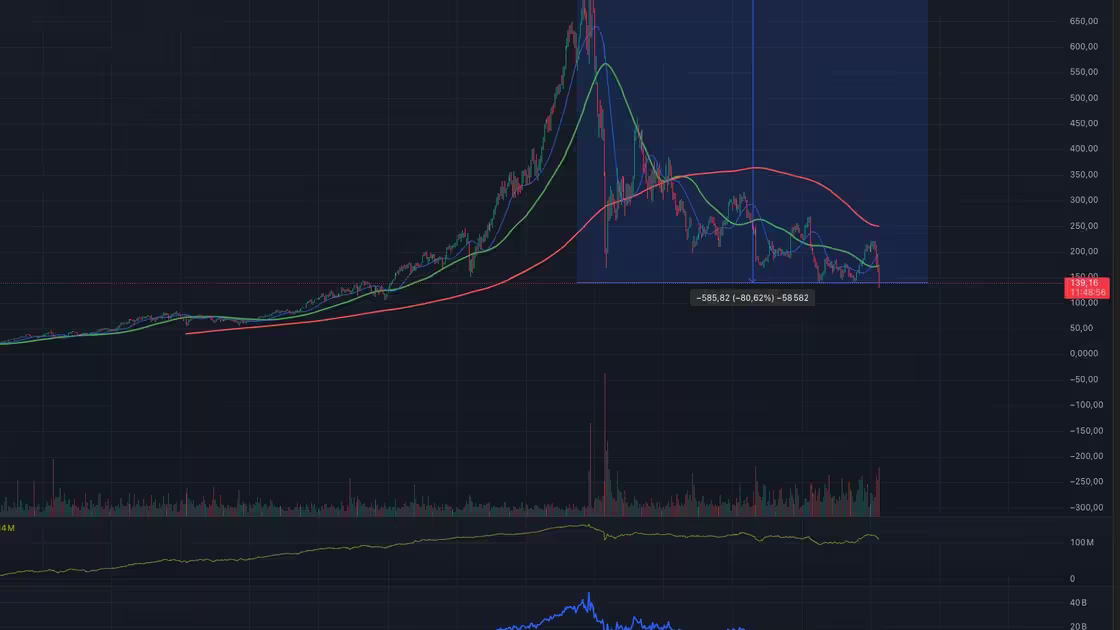
The global technology sector cut about 245,000 jobs in 2025 according to a RationalFX analysis, with Intel and Amazon the largest contributors. Discover how to survive the 2026 market transformation.
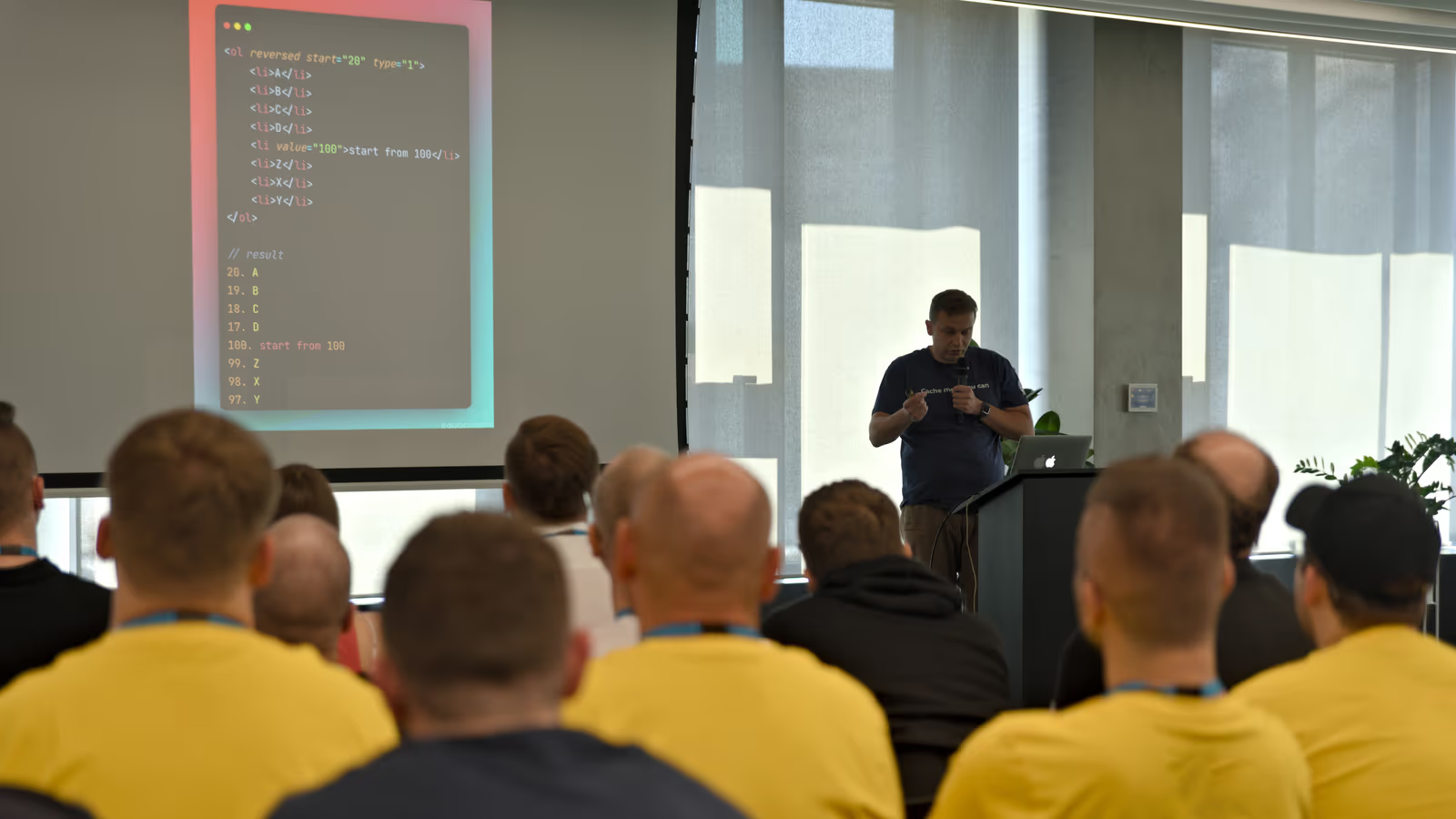
WordPress 7.0 codenamed Armstrong shipped in May 2026 with foundational AI infrastructure (AI Client, Connectors, client-side Abilities), a modernised dashboard, Command Palette everywhere, block-level custom CSS and the Icons block. Real-time collaboration was removed during the release-candidate cycle. This guide is the post-release recap of what changed, what to test, and what to wire up.
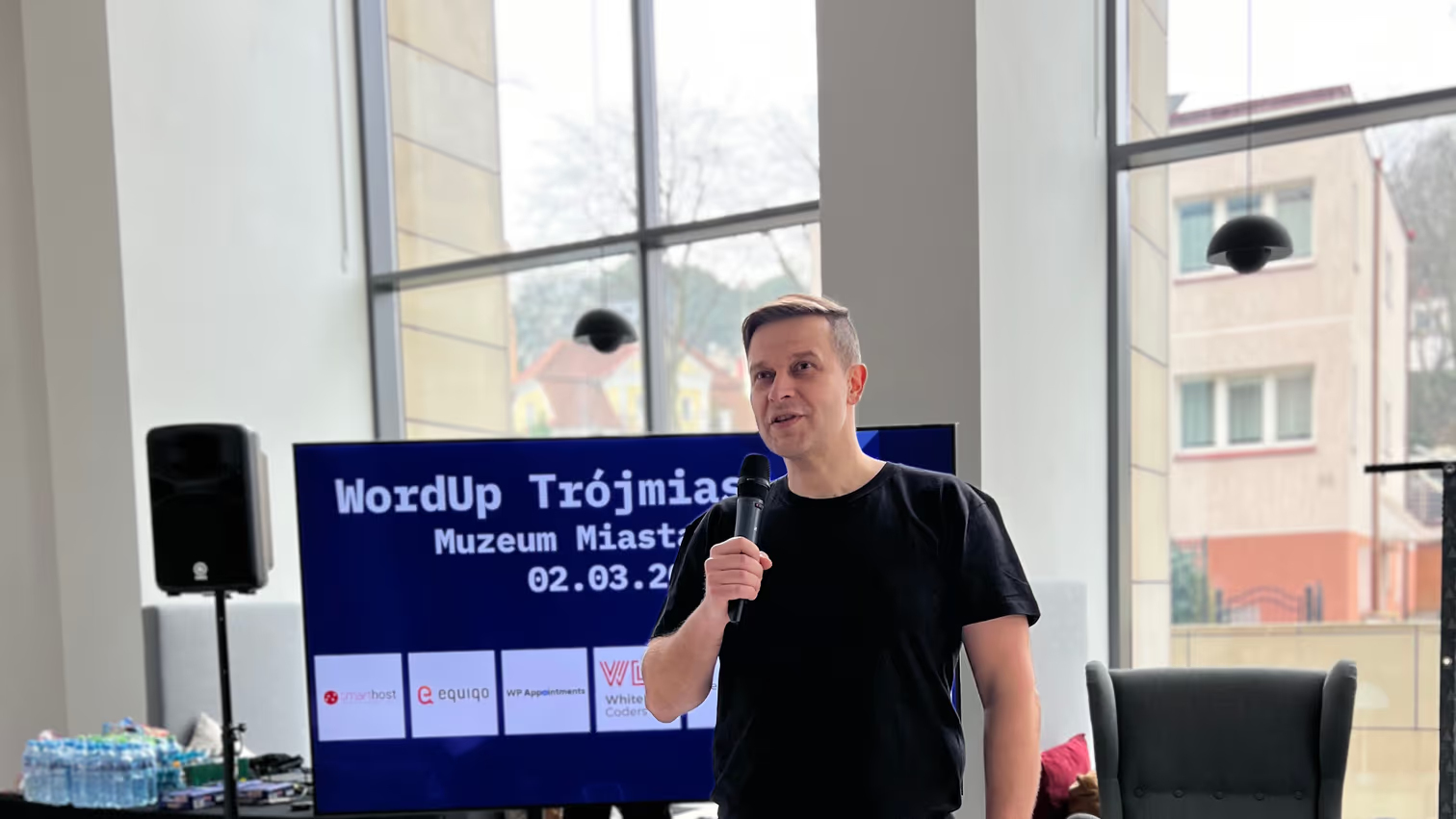
The B2B dilemma: too much information on the site fuels competitors; too little lengthens sales conversations and lowers their quality. A practical split into systemic information (show) and situational (leave to sales), plus 3 questions that decide what goes into your information architecture.
By 2026, AI search has replaced the blue link. Discover 7 data-backed truths about zero-click search, GEO optimization, and how to become the answer engines cite.
The Universal Commerce Protocol (UCP), launched by Google with Shopify, Etsy, Wayfair, Target and Walmart, lets AI agents complete purchases directly. What it means for your business and how to prepare.
A practical notes covering essential WordPress best practices for security, SEO, and performance using only core features.
A practical guide to the best AI tools for WordPress in 2026, covering content generation, SEO workflows, chatbots, image tools, code assistants, and editorial risks.
Learn how to add passkeys to WordPress with WebAuthn and FIDO2, plus how passkey registration works on iPhone, Android, Windows Hello, and security keys.
Protect your business data by choosing Open Source CMS over closed SaaS platforms in the era of AI. Learn about data ownership, GDPR compliance, and vendor lock-in risks.
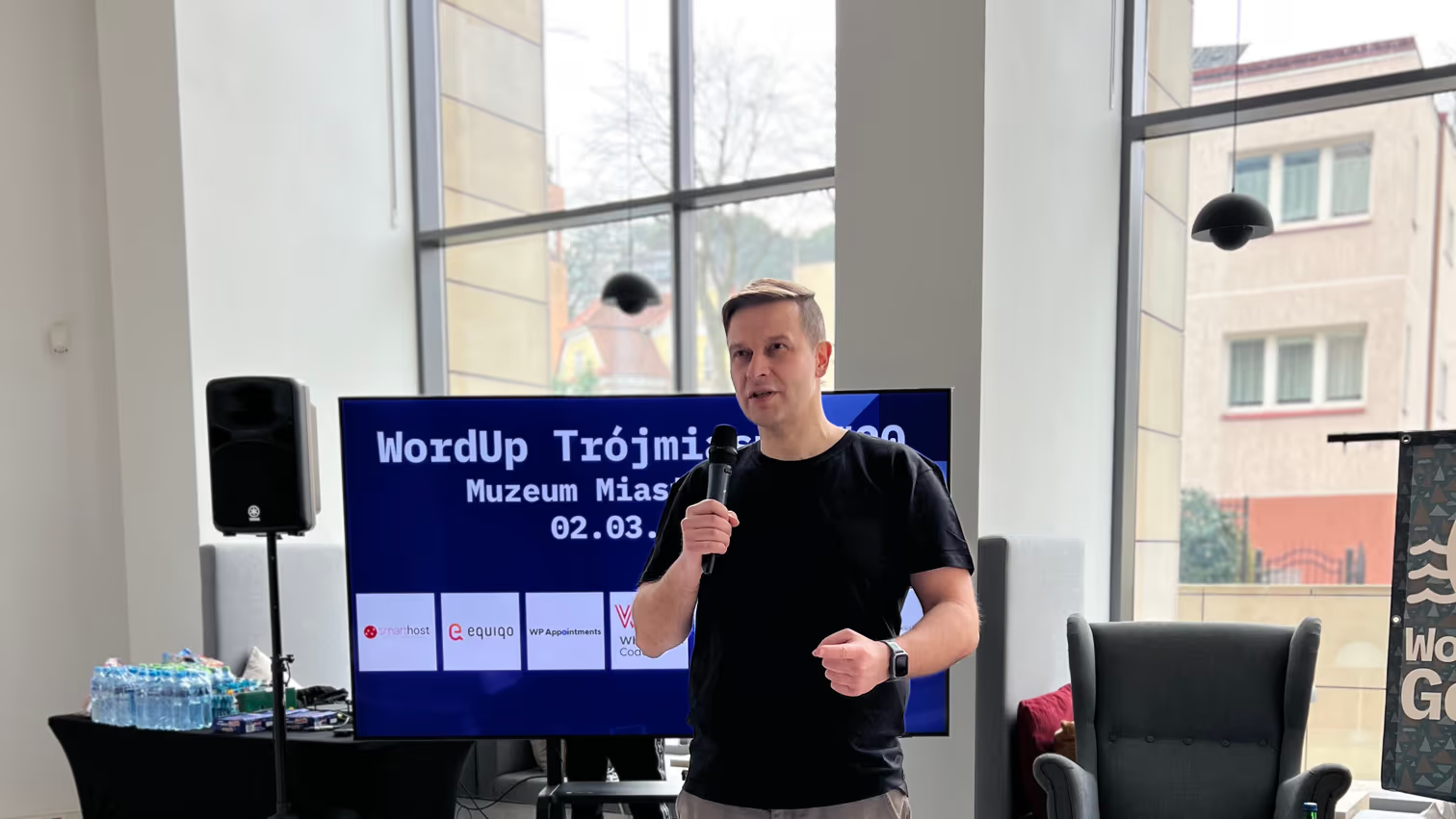
A hands-on guide to auditing WordPress sites for WCAG 2.2 compliance using automated tools and manual testing. Complete workflow from assessment to remediation.
Technical guide on using WordPress as a headless backend for React Native and Expo mobile apps with REST API, WPGraphQL, authentication, push notifications, and offline sync.
Learn how to use WordPress Playground to run WP in the browser via WebAssembly. A complete guide for 2026 testing and demos.
How we implemented a privacy-first, zero-dependency Voice Search for wppoland.com using the Web Speech API. A practical guide to Ambient AI interfaces and why native beats heavy widgets.
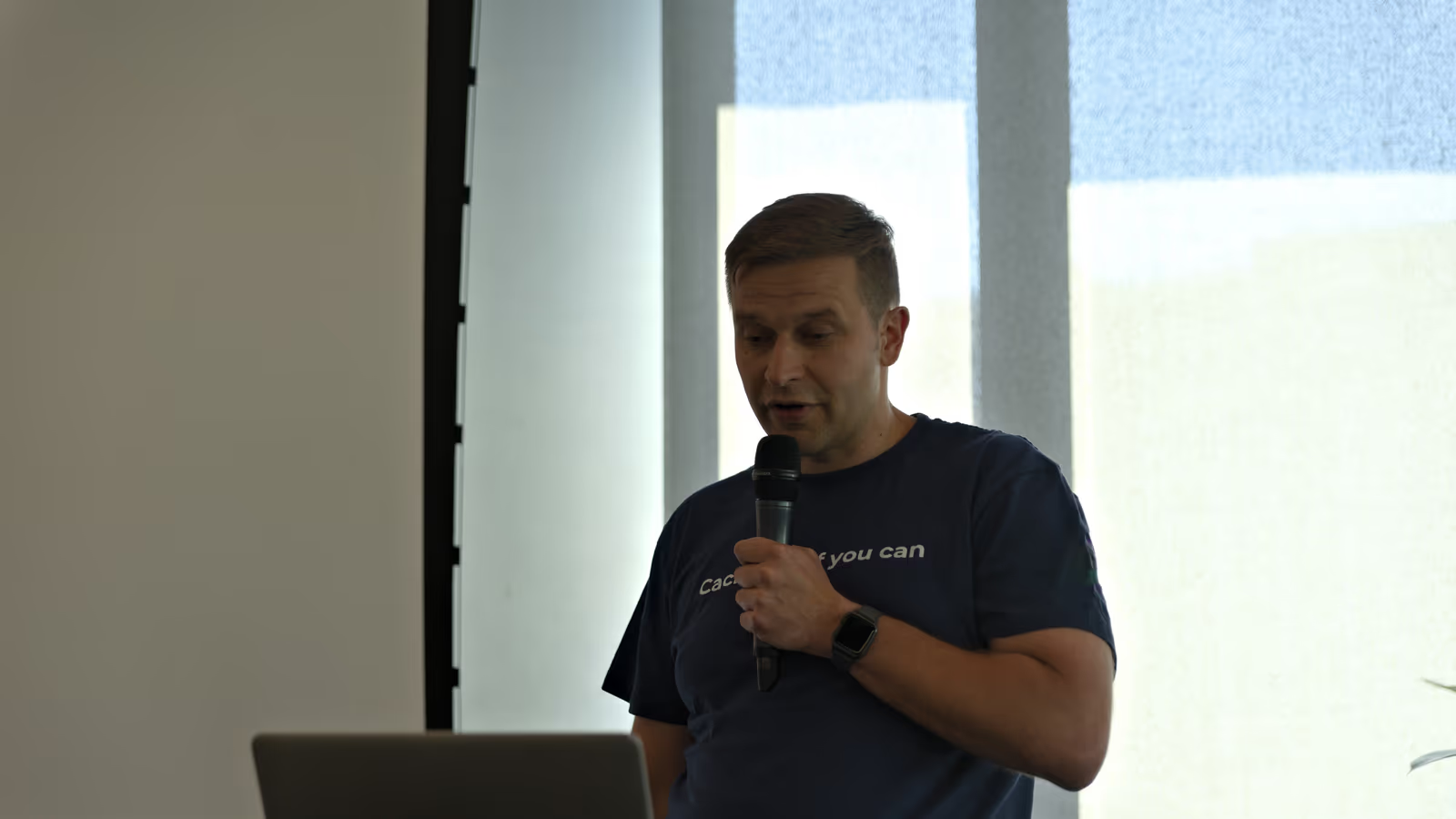
In 2026, many users never look at a screen. Learn how to optimize your WordPress site for Voice Search using Speakable Schema and AI-driven conversational SEO.

A practical guide to Speculation Rules API, prefetch, prerender, and modern optimization techniques. Code that works in 2026.
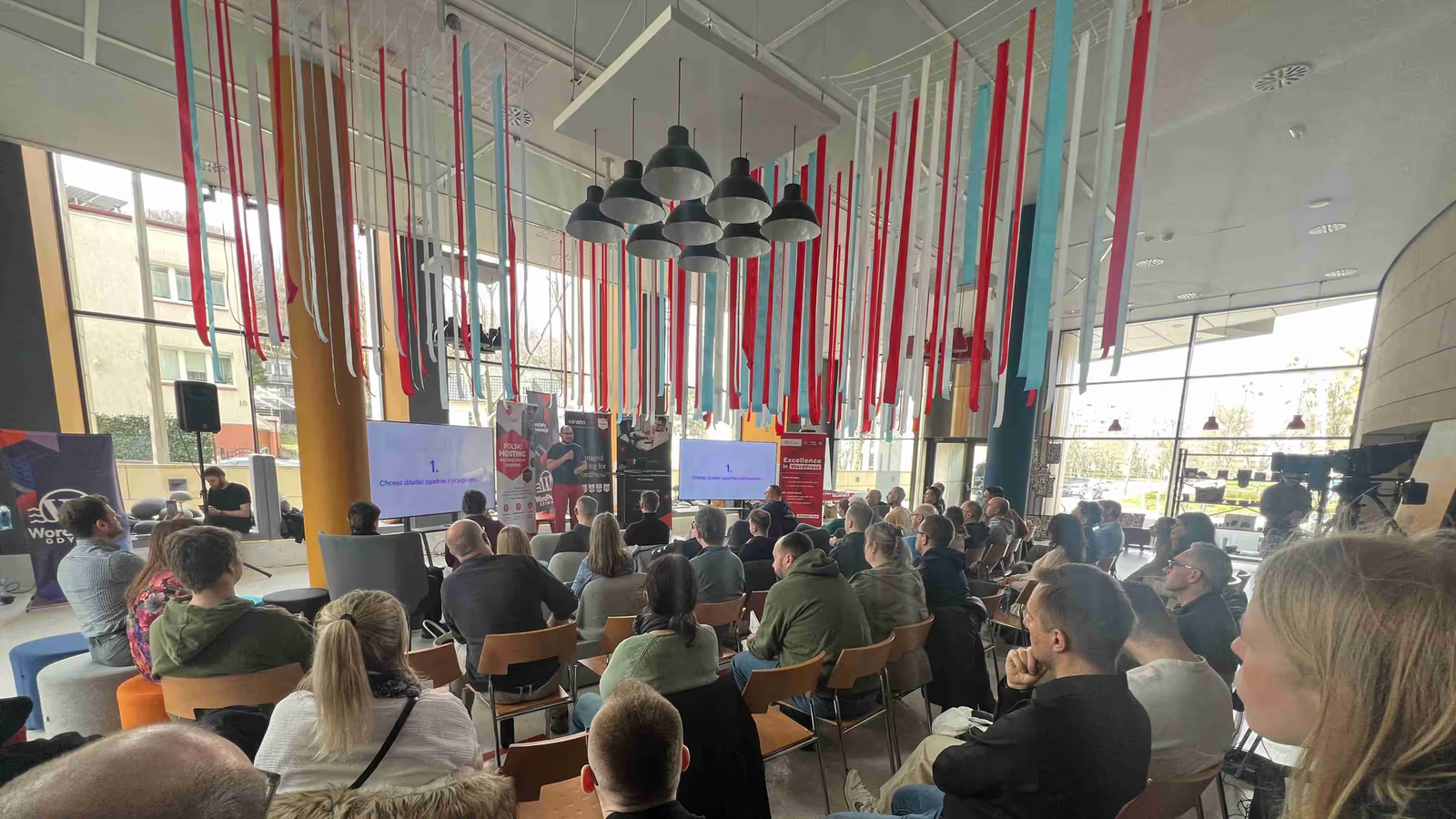
Join the 24th meeting of WordPress enthusiasts in Gdynia. Three days of workshops, presentations, and networking with experts from across Poland. Registration now open!

I published a "behind the scenes" article on how I am building the CMS Conf 2026 website, and it is much more than "just a landing page".
Looking for the best CMS for SaaS in 2026? Compare the top 10 platforms for marketing, scalability, ownership, API flexibility, and long-term growth.
A case study of a client who paid an agency for a professional platform and received spaghetti code on PHP 5.6, jQuery and MySQL without indexes. The story of a rebuild on React, Django, PostgreSQL, Redis and Rust.

Learn when Astro DB and WordPress make sense together, how the hybrid architecture works, and what trade-offs matter for performance and editorial workflows.
Stop using shared hosting. Learn the modern, professional stack for high-performance WordPress. We cover VPS, caching, security, and the content strategy that actually ranks.
Is your build process slow? Wave goodbye to legacy Webpack setups and embrace the speed of Vite for WordPress development in 2026.

Confused by "Theme vs Plugin"? Understand the core architecture of WordPress, legal usage of the logo, and why Open Source matters for your business.
How we took a slow WooCommerce site from score 45 to 100. A technical deep dive into Speculation Rules, AVIF, and Critical CSS in 2026.

Master GEO strategies to get your content cited by AI engines like ChatGPT, Perplexity, and Gemini. Learn how to optimize for the future of search.
Understand the EU CSRD requirements and how to optimize WordPress for digital sustainability and low carbon footprint.
Locked out of WordPress? Can't find your admin URL? This definitive guide covers every method to regain access, from finding your login page to resetting passwords via database and FTP.
Still using Local by Flywheel or MAMP? Discover why Docker is the industry standard for WordPress development in 2026 and how to set it up.
Choosing between REST and GraphQL for your headless WordPress project in 2026? We compare performance, developer experience, and scaling for modern apps.
Stop installing cache plugins blindly. Master the modern WordPress engineering stack: Redis Object Cache, Nginx edge architecture, AVIF compression, and database tuning.
How a WordPress design system actually ships in 2026: theme.json version 3 as the token contract, editor lockdown, unsynced theme patterns versus database synced patterns, and custom blocks only where attributes need validation.
An Ahrefs researcher created a fake luxury brand, Xarumei, to test how AI models handle fact-checking. The results show how easily models invent brand facts.
Choosing between WordPress and Webflow in 2026? This guide covers performance, SEO, E-E-A-T, and a complete TCO analysis for enterprise and creative teams.
Framer, Webflow, WordPress, WordPress.com, HubSpot, Squarespace and Wix compared for SaaS marketing sites on content export, custom code, multilingual support and SEO controls, checked against vendor documentation.
A practitioner path out of a 2018-era WordPress build: measure the debt with deprecation hooks and checksums, strangle the templates section by section, and fix the autoload and postmeta problems that actually cost you queries.
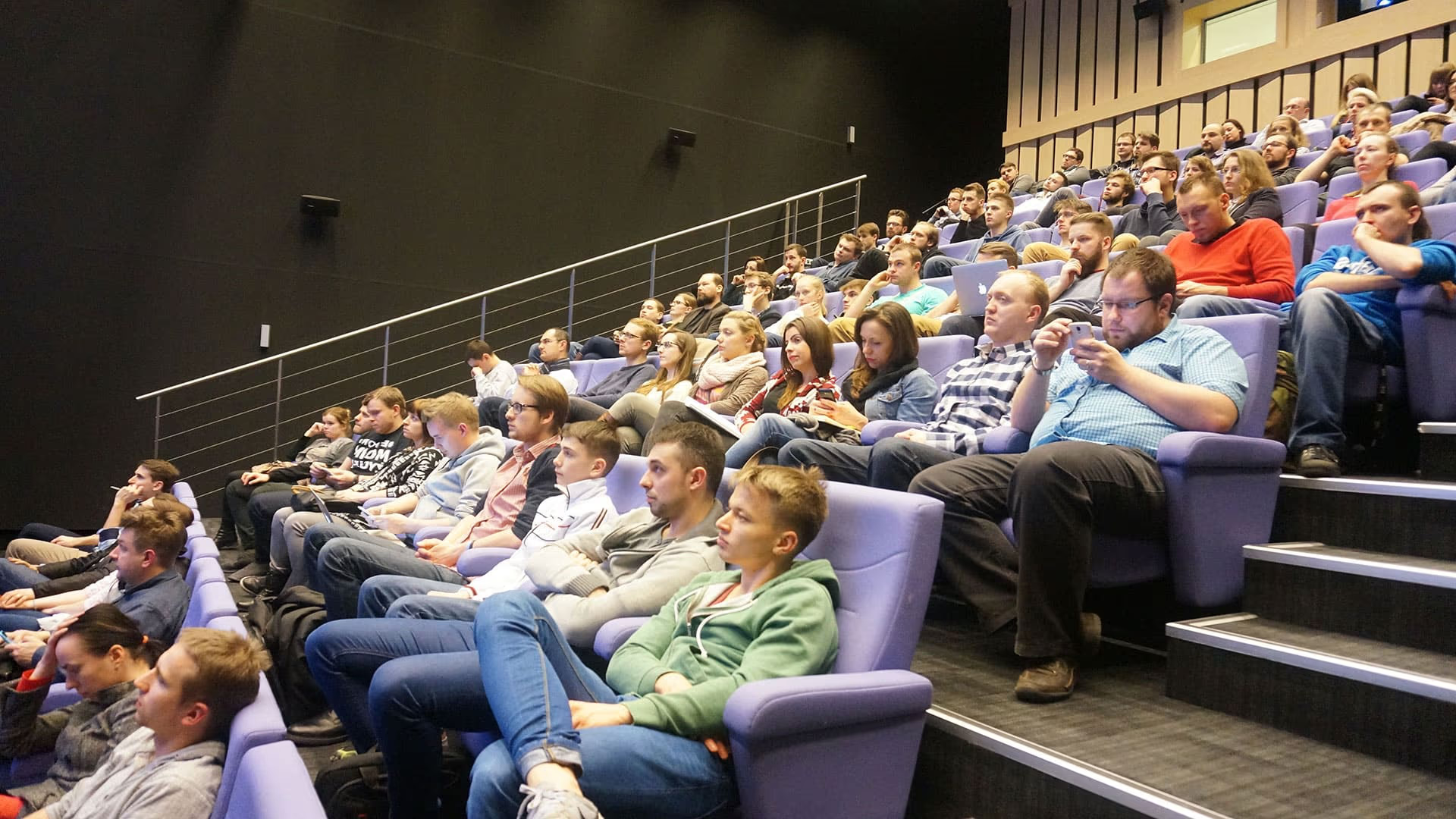
A 2-day (10h) WordPress basics workshop held at PPNT Gdynia on 20 and 21 October 2014: the full agenda and what changed in WordPress since then.
Learn how to build a WordPress community for business growth with BuddyBoss, FluentCommunity, and proven monetization strategies. Own your audience and escape algorithm changes.
Headless is mature, but is it profitable? What Next.js or Astro on top of WordPress actually costs against a PHP theme, priced from what WordPress core does and does not hand you over the API.
I've been building WordPress sites for over a decade, and one thing never changes: the 'out of the box' setup is too heavy. Here is how I prune the unnecessary scripts and styles safely.
A practical WordPress developer guide to WCAG 2.2 Level AA: the nine new success criteria, Gutenberg and theme patterns, keyboard testing, and European Accessibility Act context without legal advice.

How accessibility implementation works on a WordPress site under the EAA and WCAG: from audit scoping through WCAG-EM sampling and code fixes to the accessibility statement.
Why build one page at a time when you can build 10,000? Learn how to master Programmatic SEO in WordPress to dominate long-tail niches in 2026.
Google indexes the mobile version of every page. This guide covers what mobile-first indexing requires, the mobile Core Web Vitals thresholds, and the WordPress features and code that move LCP, INP, CLS and back navigation on phones.
How private blog networks operate, which digital footprints Google correlates, and which sustainable alternatives replace PBN tactics in 2026.
A comprehensive guide to WordPress mental models that help developers compress complexity, make better architectural decisions, and debug more effectively.
Manual FTP uploads are a security risk. How to build a WordPress CI/CD pipeline with GitHub Actions, Composer/npm artifacts, and atomic zero-downtime deploys.
When dozens of editors share one WordPress site, default roles are not enough. Roles, editorial workflows, staging, plugin change control, and multilingual team patterns for 2026.
Is migrating to WordPress worth the investment? We analyze the long-term Return on Investment (ROI) for businesses moving to WordPress in 2026.

Is your database bloated with revisions, spam, and transients? A comprehensive guide to cleaning MySQL for better performance and TTFB.
LLMO Executive Summary: Why your brand needs to be 'AI-Ready' now. A high-level strategic overview of Large Language Model Optimization.
Licensing is just the tip of the iceberg. We break down the total cost of ownership (TCO) for WordPress, Sitecore, and AEM in 2026.

Local SEO for brands with dozens or hundreds of locations: WordPress Multisite, LocalBusiness structured data, Google Business Profile rules, hreflang and location pages that stay clear of doorway abuse.
Managing content for 20+ regions is a complex challenge in 2026. This 2000+ word guide explores how to build and govern a global content strategy using WordPress.
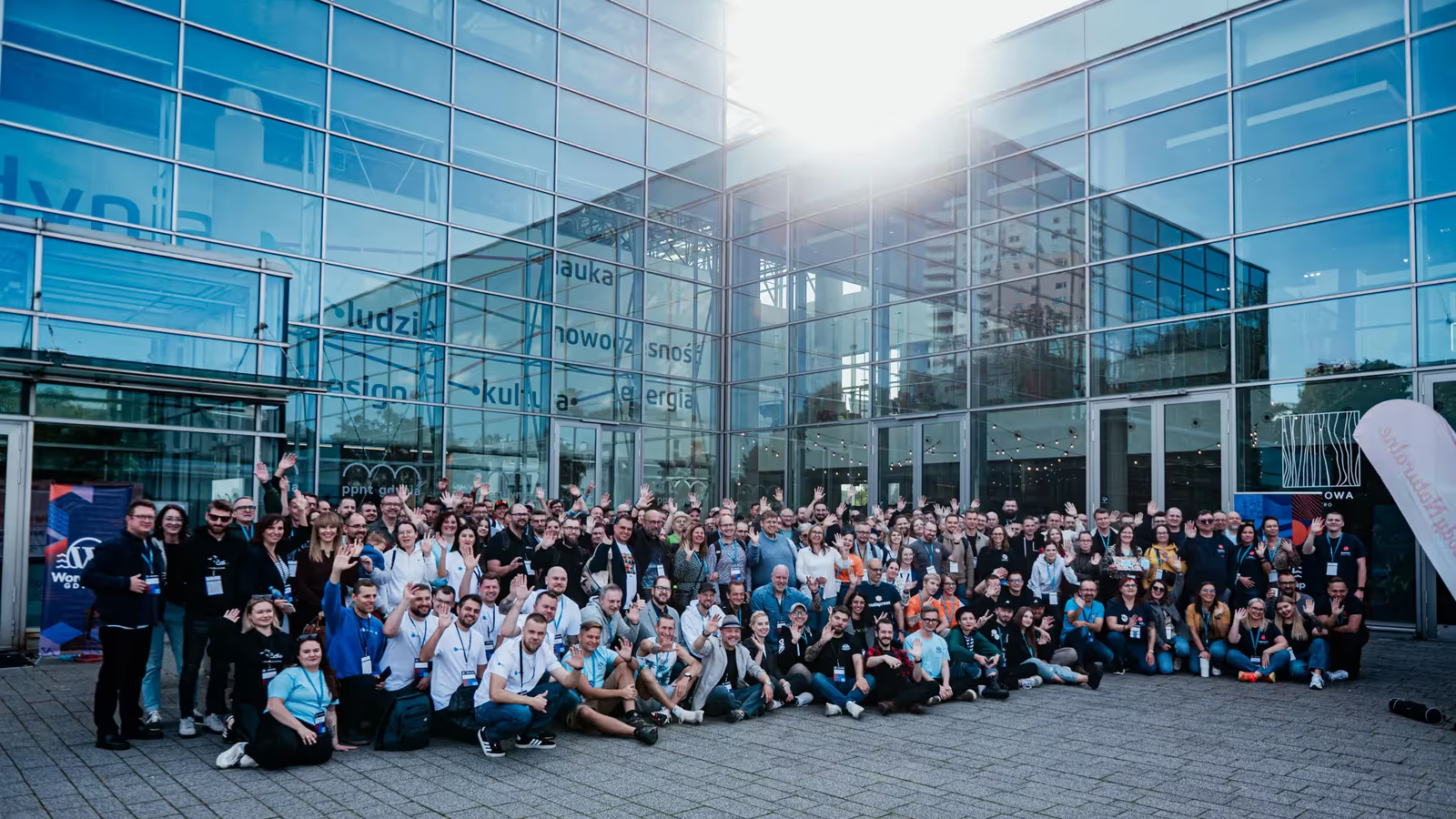
Recap of WordCamp Gdynia 2025 - a three-day event focused on community, security, and AI automation.
Choosing between the power of WordPress and the AI-driven simplicity of Hostinger Website Builder in 2026? This 2000+ word guide compares features, costs, and performance.

AI content creation in publishing has an ethics line. Disclosure, human oversight, source attribution and SEO safety practices for WordPress publishers in 2026, with EU AI Act, Google E-E-A-T and platform policies covered.
Why large organisations such as Siemens, SAP, Capgemini, TIME and the White House run on WordPress: market data, documented migrations, security and compliance, and the limits.
WordPress caching in 2026 needs edge rules, cache tags and fragment caching that match the site's content model and invalidation paths.
The complete technical specification for Large Language Model Optimization (LLMO). Deep dive into JSON-LD, vector embeddings, and retrieval architecture.

A corporate CMS cannot live on an island. We explore advanced strategies for integrating WordPress with ERP, CRM, and internal databases in 2026.
How to monitor enterprise WordPress performance: RUM with web-vitals, CrUX limits, Lighthouse CI, Query Monitor, New Relic, OpenTelemetry, MySQL and Redis metrics.
Choosing between WordPress, Wix, and Squarespace in 2026? This comparison analyzes performance, SEO, E-E-A-T, and the long-term scalability of each platform.
Is your WordPress site sluggish? The culprit is likely your database. Learn how to optimize MariaDB 11, clean options, and manage postmeta for 2026 performance.
How to structure WordPress content for E-E-A-T signals, AI Overviews citation hygiene, author bios, and schema without chasing invented ranking claims.

There are many definitions of a backlink network, and almost everyone who has tried to systematise the concept would offer their own.
In 2026, WordPress is no longer just a CMS, it is an API engine. This 2500+ word guide covers custom REST routes on PHP 8.4, headless Astro 7, and read-only MCP.
Learn how to scale WordPress Multisite in 2026 for 100+ sites, with best practices for governance, hosting, updates, content syndication, and performance.

WordPress is not just code, it's people. Learn why it's worth attending WordUps and WordCamps. Networking, knowledge and pizza (for free).
A practical guide to automated content workflows for WordPress in 2026, including AI drafting, programmatic publishing, editorial controls, and quality risks.
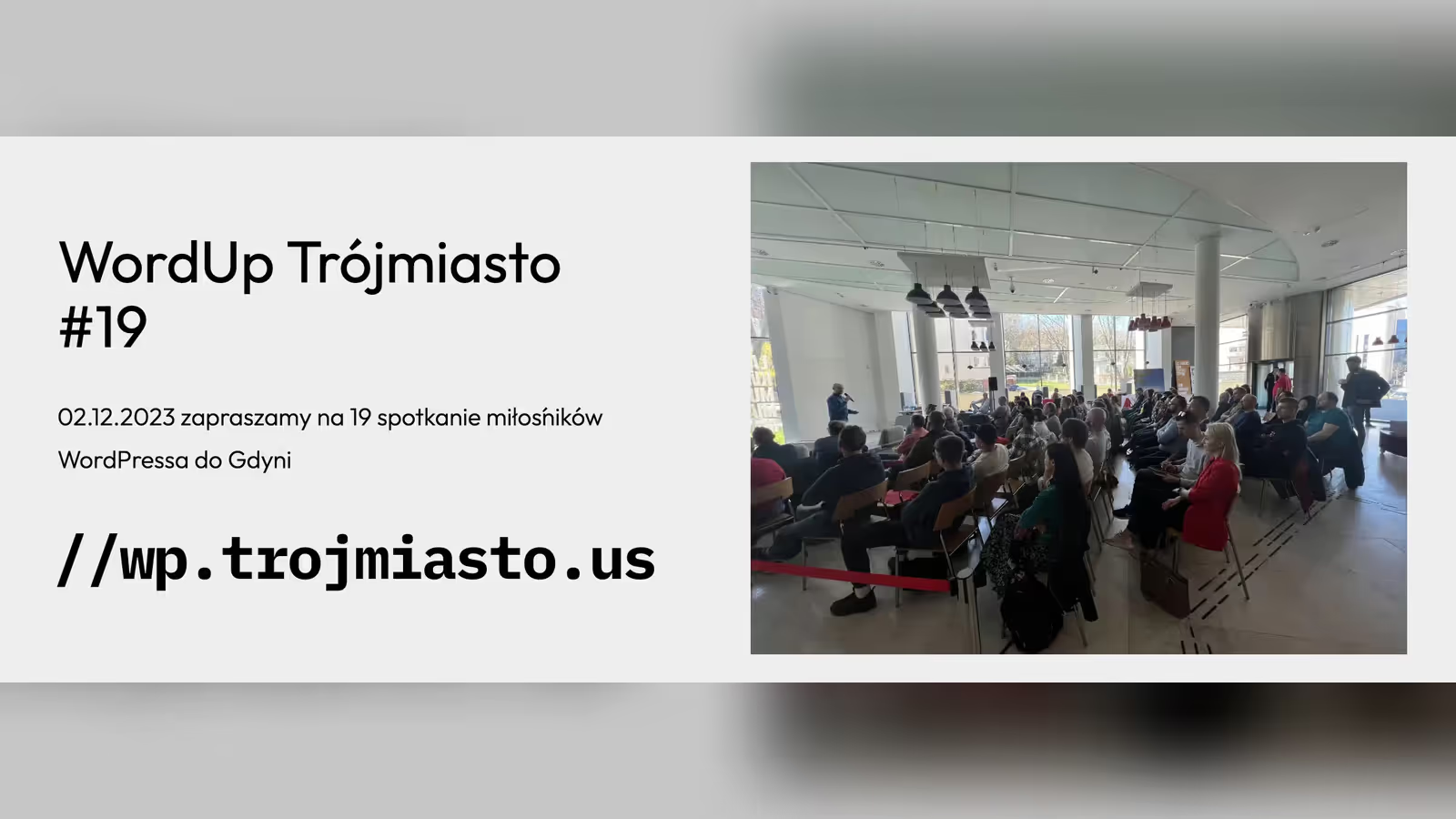
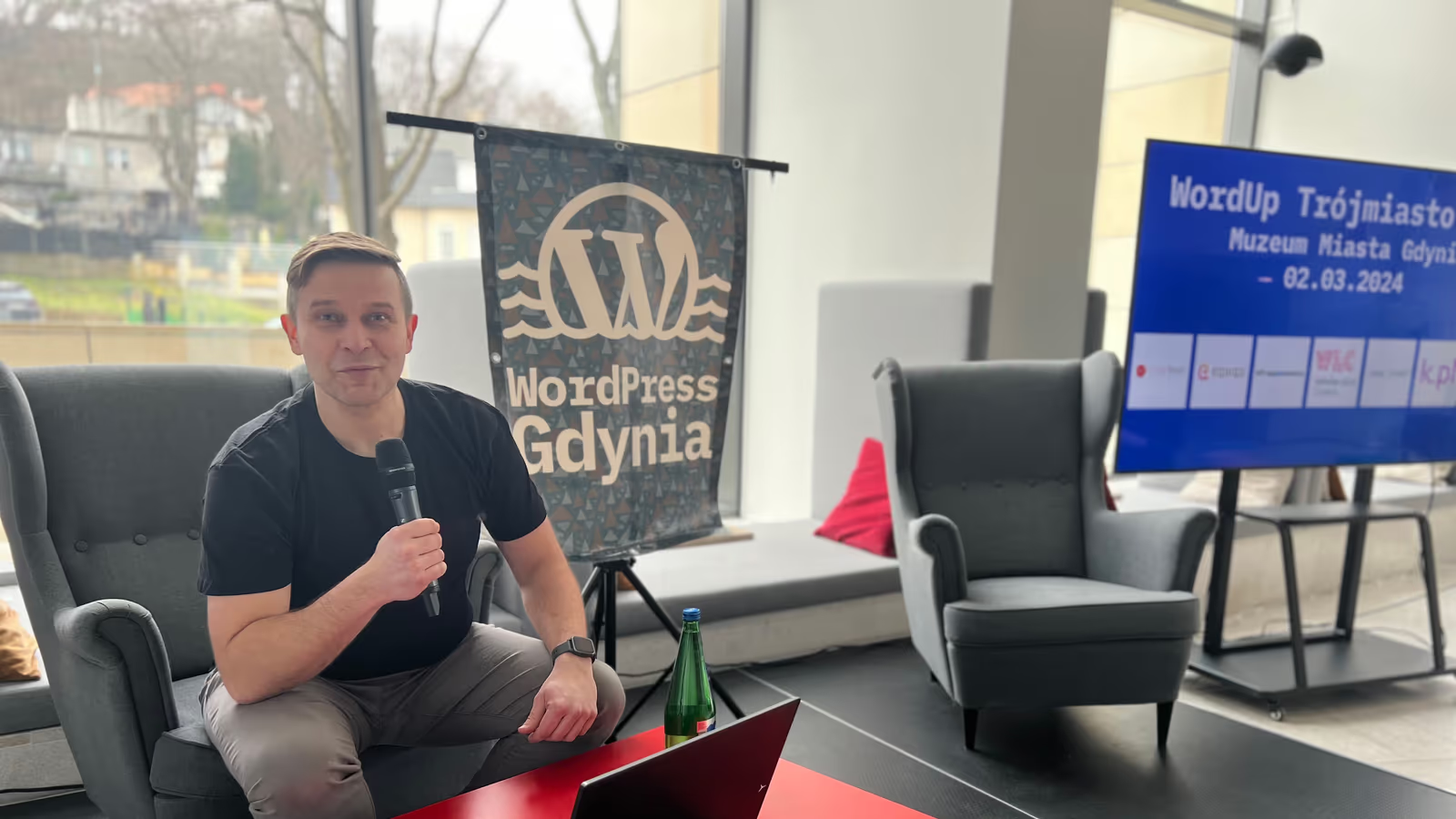
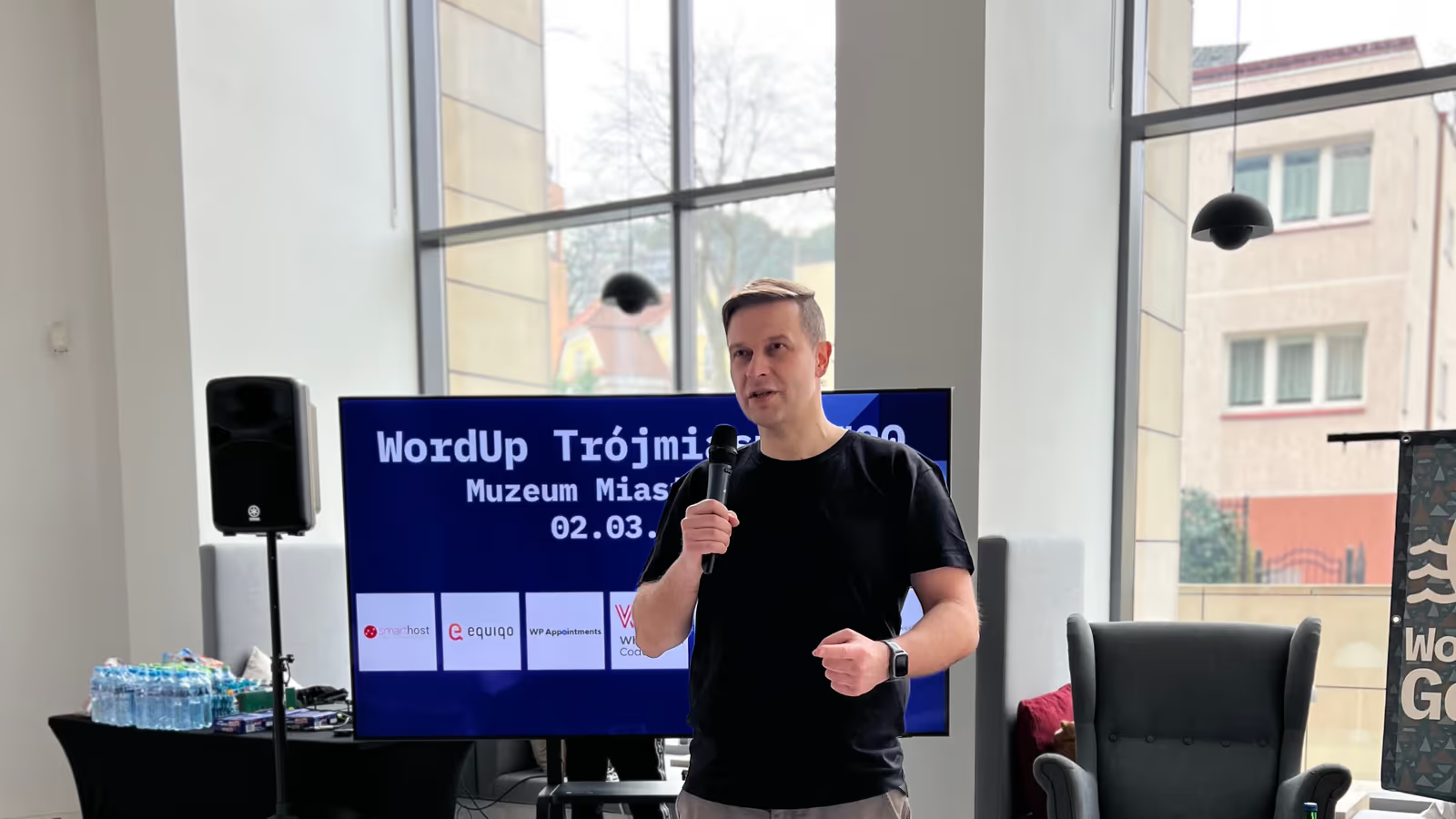
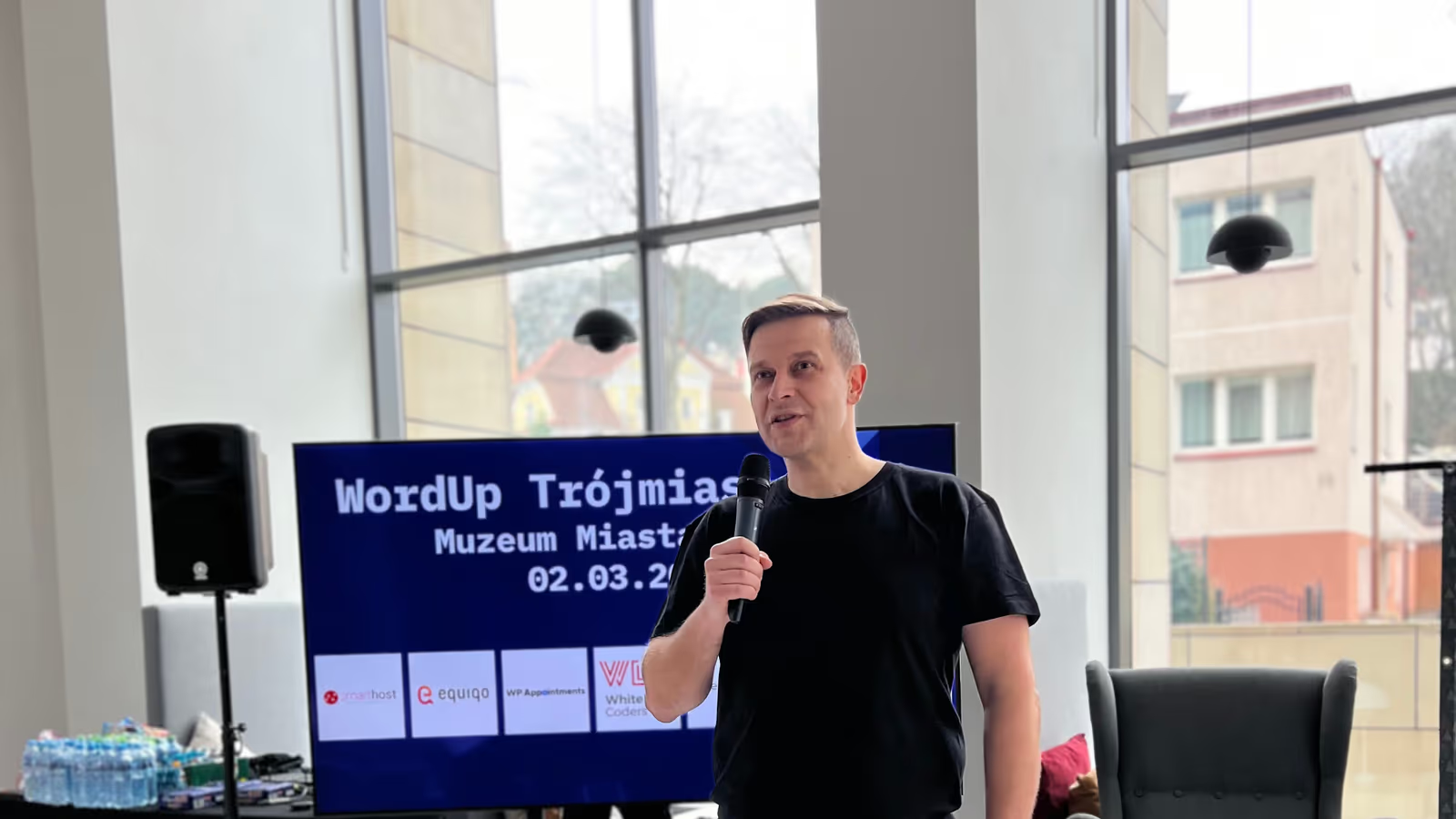
WordUp Trójmiasto #19, the WordPress community meetup held on December 2, 2023 at the Gdynia City Museum: speakers, talk titles and recordings.
Passkeys, read-only runtime, edge WAF versus Wordfence, nonce-based CSP, supply chain, logs, and CERT coordination. Hardening is operations, not a plugin checklist.
Search in 2026 is an answer engine. Learn how to optimize your WordPress site to be cited by Google SGE, Perplexity, and OpenAI.
AI in WordPress development in 2026: coding tools, research on AI and developer productivity, personalization, RAG and vector search, Gutenberg content workflows, data privacy, CI/CD and the AI APIs in WordPress 6.9 and 7.0.
Is your enterprise ready for a DXP, or can WordPress scale to meet your needs? We scrutinize the TCO, agility, and integration capabilities of Adobe/Sitecore vs. Enterprise WordPress.
In 2026, text is just the beginning. Learn how to optimize video content for YouTube, TikTok, and direct Google search integration using WordPress.
Germany's Barrierefreiheitsstärkungsgesetz applied from 28 June 2025. It transposes EAA Directive 2019/882 into national law. I unpack how it affects WooCommerce stores in DE and the four plugin failure patterns I see in audits.

Technical guide to speeding up WordPress sites: hosting, caching, PHP-FPM, Redis, CDN, database optimization, and Core Web Vitals improvement.
Corporate CMS security standards for 2026: what SOC 2, ISO 27001, NIS2, the Cyber Resilience Act, OWASP Top 10:2025 and ASVS 5.0 actually require from a WordPress stack.
Moving your WordPress website can be daunting, but with the right knowledge and preparation, it becomes manageable. Whether changing domains, upgrading hosting, or restructuring site architecture, this comprehensive guide covers every step.
A comprehensive comparison of WordPress, Wix, and Squarespace. Which platform suits your business, budget, and technical expertise?
Which CMS will dominate Google's search results in 2026? This comprehensive guide compares WordPress, Contentful, and more on technical SEO and AI-readiness.
Practical architecture guide to WordPress hosting in 2026. Compare managed, cloud and edge, PHP workers, object cache, WooCommerce limits, EU data residency and CI/CD.

Diagnose slow WordPress sites with TTFB, Query Monitor, autoload cleanup, healthier WP_Query, Redis object cache, and Core Web Vitals - without guessing at hosting first.

How tag managers, chat widgets, consent mode, and worker offload patterns affect INP on WordPress, and how to cut main-thread work without inventing a silver bullet.

Stop using heavy plugins for simple lists. Learn how to use WP_User_Query to build performant, secure member directories and team pages with granular filtering.
Strategic hosting comparison for 2026: Cloud-native Kubernetes clusters, edge computing with Cloudflare/Bunny, and modern managed hosting evaluated on latency, compliance, and cost.
Keywords are no longer enough. Learn how to master Semantic SEO, Entities, and Knowledge Graphs in WordPress to dominate search in 2026.
Architecture guide for decoupled WordPress in 2026. Astro 7 islands, Next.js 16, WPGraphQL, preview, edge cache tags, and WordPress 7.1 as origin. Cost lives in the TCO guide.
The European Accessibility Act has applied since June 28, 2025. What it means for a WordPress site: who is in scope, which exemptions are real, and where WCAG 2.1 AA actually bites in practice.
Enterprise WordPress architecture in 2026: scaling patterns, governance, security controls and integration trade-offs.
Historical analysis of presell pages, Google Search Central spam policies (doorways, thin affiliate, cloaking), and safe sponsored content patterns for WordPress in 2026.
Passwords are obsolete and perimeter defenses are insufficient. This deep guide outlines the zero-trust architecture, immutable filesystems, and WAF rules for enterprise WordPress in 2026.
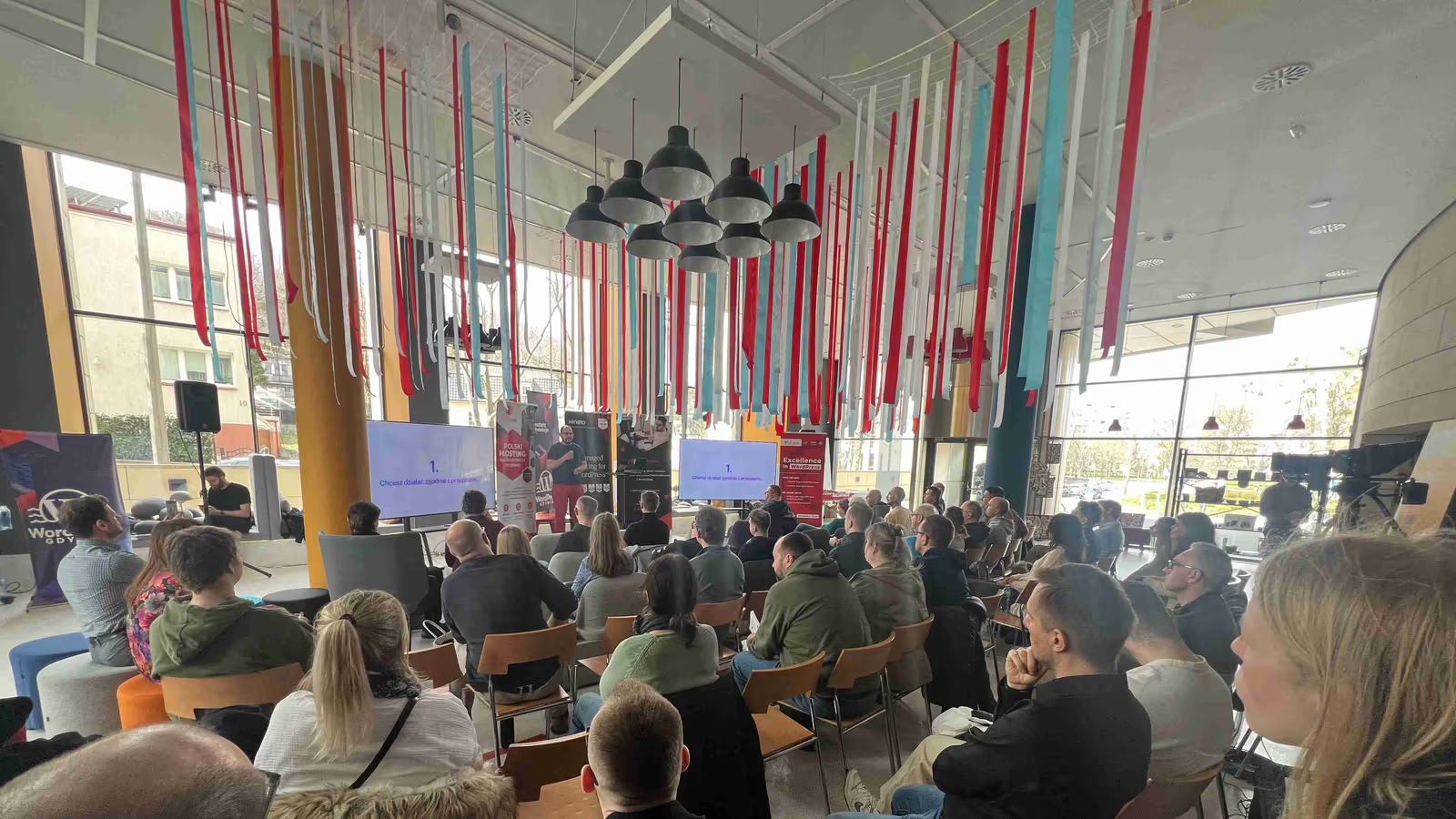
Report from WordUp Gdynia #22 on 5 April 2025 at Gdynia City Museum: nine talks on security, SEO, accessibility and hosting, an open mic panel and recordings.
Choosing the right CMS for a large corporate website is a high-stakes decision. This 2000+ word comparison evaluates WordPress, Sitecore, and Drupal for 2026.
Choosing between WordPress and Contentful in 2026? This 2000+ word comparison dives into Headless architectures, API-first delivery, total cost of ownership, and developer experience.
FID is dead. Interaction to Next Paint (INP) is the new standard for web interactivity. Learn how to master this 2026 ranking factor for WordPress.
Scaling WordPress Multisite requires more than just enabling the network. This guide covers strict governance, tenant isolation, and centralized CI/CD.
Is your legacy corporate site holding you back? This 2000+ word guide explores how to migrate from old proprietary systems to modern WordPress in 2026.
Compare Gutenberg, Elementor, and Divi as 2026 WordPress page builders. Practitioner takes on performance, lock-in, dev workflow, and editorial maintenance.
What's next after Gutenberg? We predict the 2027 roadmap: The complete redesign of WP-Admin, Data Liberation, and the end of 'Themes' as we know them.

A practical WordPress speed diagnosis: Core Web Vitals, caching, image optimisation, database load, hosting limits, and the fixes that usually move the needle.
Why do NASA and the White House run WordPress? We explore the 'Public Money, Public Code' movement, FedRAMP hosting and WCAG accessibility law for the public sector.
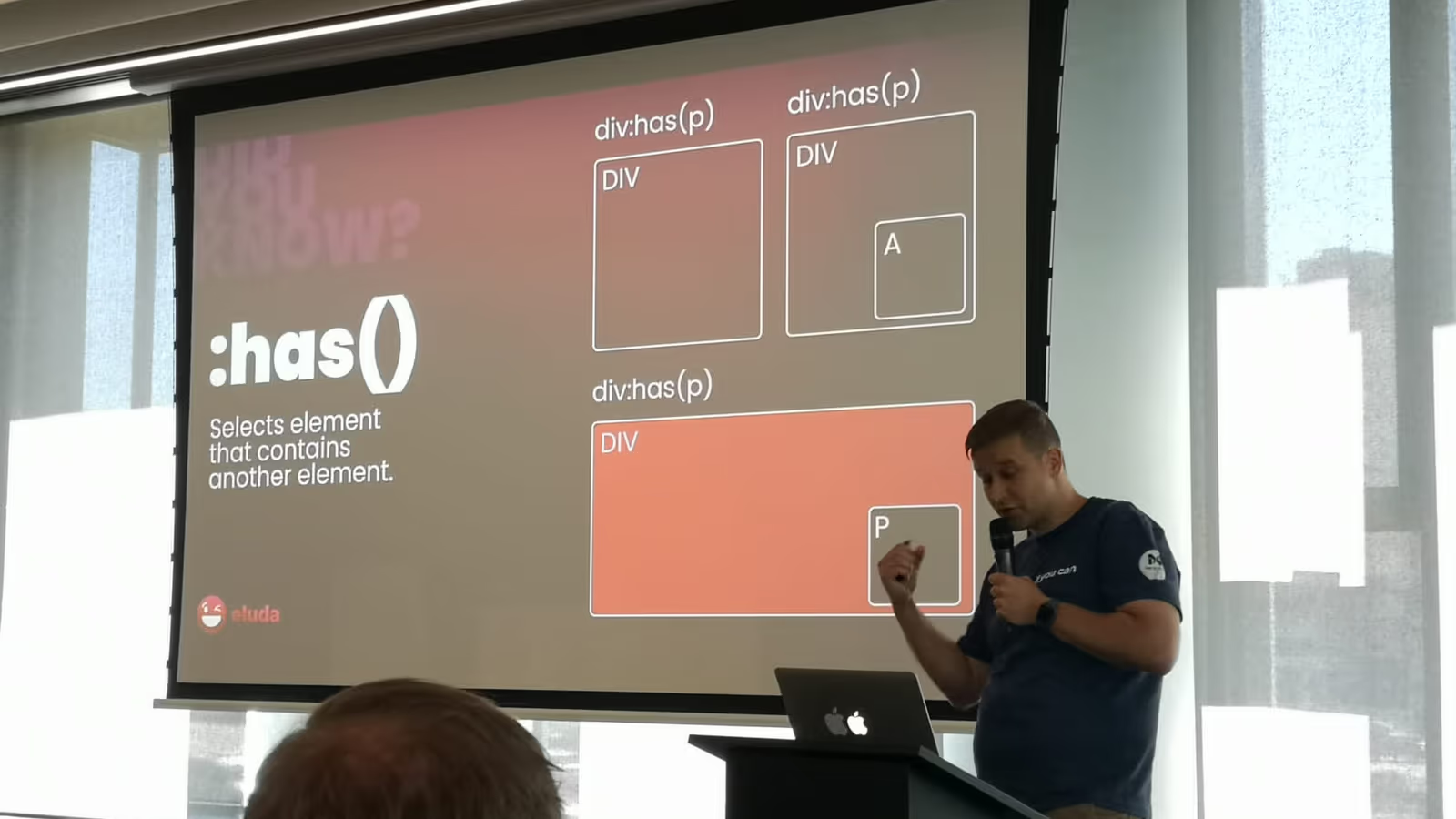
The first major WordCamp in Poland after the pandemic. Report from Warsaw, CSS Grid/Flexbox presentation shared, and networking impressions.
I joined the WordCamp Europe 2025 organising team in Basel (5-7 June 2025), on the Budget Team. The team structure, WordCamp budget rules and the event in numbers.
A deep dive into the history of Black Hat SEO. What were Presell Pages, how did they work, and why using this technique in 2026 is a surefire way to get banned.
Critical analysis of the official WordPress in 2025 report - what was included, what was omitted, and why the community deserves more transparency.
A critical look at the official WordPress in 2025 report, what it leaves out, and why a broader community view would have been more useful.
SEO is no longer just keywords; it is performance and architecture. We analyze which CMS platforms provide the strongest technical foundation in 2026.
Going global? Translation is just the first step. This guide covers the technical and strategic layers of running a multi-market, multi-lingual WordPress operation in 2026.
Stop crossing your fingers. Learn how to implement professional PHPUnit and Jest testing in your WordPress workflow for 2026.

Default WooCommerce stalls under real load. Practical notes on HPOS, Redis vs transients, cart fragments, autoload bloat, and Action Scheduler from production audits.
How do you compete with AI-generated content? By building a Content Moat. Master Topical Authority for your WordPress site in 2026.
How do you manage content across 50 countries without losing control? This 2000+ word guide explores corporate content scaling in 2026 via WordPress and AI.
Field versus lab, LCP, INP and CLS for WordPress in 2026. Google's green LCP is still 2.5 s in CrUX. 100/100 in Lighthouse is a lab target. Edge HTML, consent banners, checkout widgets.
Old methods (ua.js) no longer work. How to properly add GA4 tracking in WordPress? Plugin, GTM, or code? Plus Consent Mode v2 and Server-Side Tracking.
AVIF reaches 96.35% of browsers yet appears on about 1% of mobile images. How WordPress core, Performance Lab and edge resizing close that gap, and why JPEG XL, now decoded by Chrome 155 and Firefox 158, is still not a delivery format.
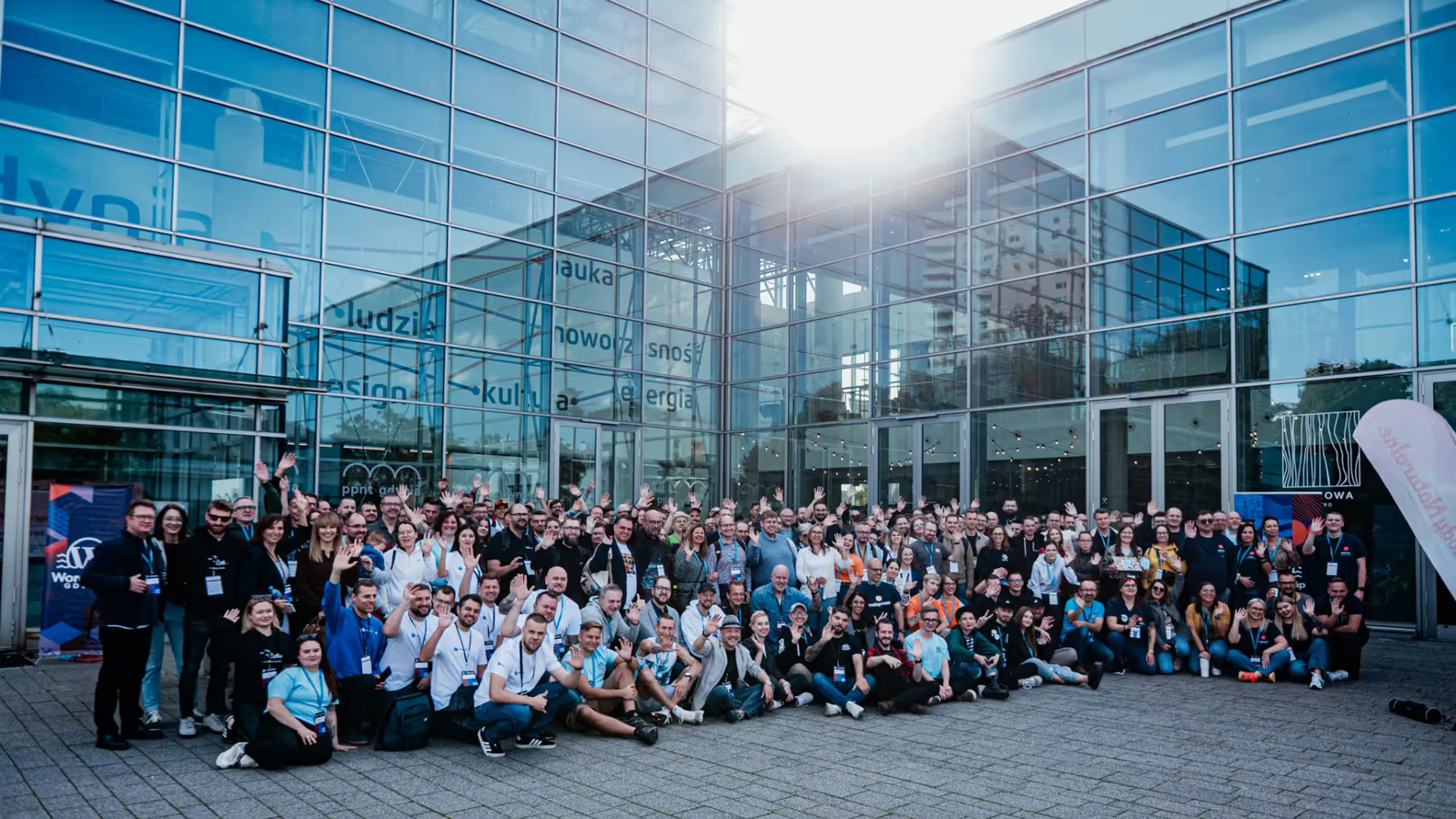
Complete report from WordCamp Gdynia 2024 - 226 attendees, 21 sessions, workshops, networking, and the Polish WordPress community meeting.
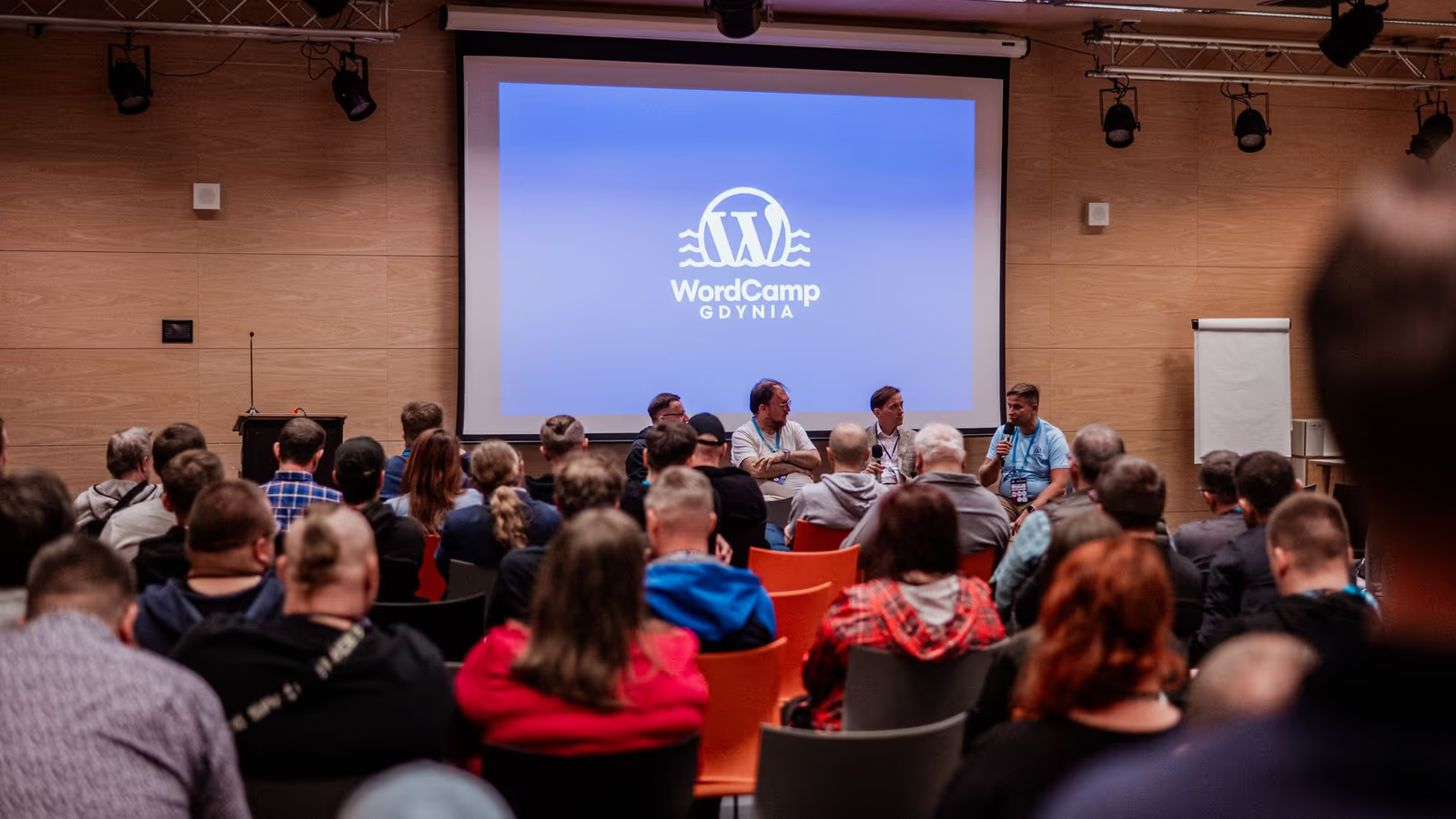
Summary of WordCamp Gdynia 2023 NextGen (30 September 2023, Morski Instytut Rybacki): 16 talks, 4 workshops, WordPress Playground, WooCommerce imports, Blade, XState and hosting.
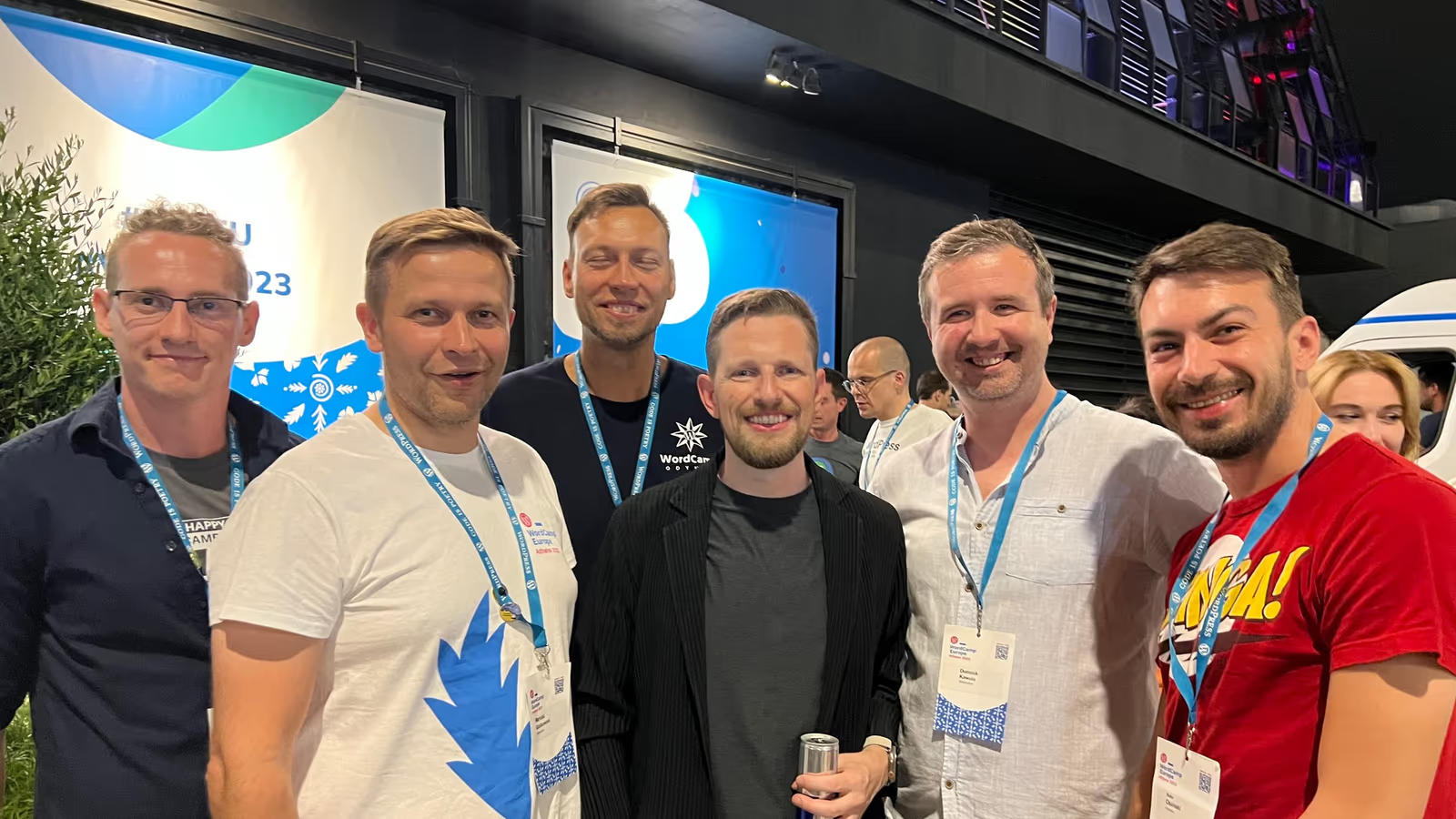
WordCamp Europe 2023 in Athens (8 to 10 June): 2,545 attendees from 90 countries, 102 speakers, Adam Zieliński's WordPress Playground demo at WP Connect and Dawid Urbański's talk on collaborative editing in Gutenberg.

Report from WordCamp Gliwice 2023 (12-14 May): Contributor Day, talks, workshops and WordPress.tv recordings, based on the official programme.
WordCamp Gliwice 2023 (12-14 May, Silesian University of Technology congress centre): Contributor Day, the full agenda with speakers, workshops, mastermind and WordPress.tv recordings, from the official event site.
Join us for WordUp Trójmiasto #18 - a free conference for WordPress enthusiasts on April 22, 2023!
Has your WordPress site been infected with malware? Step-by-step remediation guide for removing backdoors, cloaked spam, and webshells using SSH, WP-CLI, and SQL.
WordCamp Poland 2023 in Gliwice gathered web developers, designers, and entrepreneurs for three days of contributor workshops, technical sessions, and community networking.
Has your WordPress been hacked? Don't panic. See the complete step-by-step process for removing viruses, backdoors, and malware. SSH, WP-CLI, and SQL methods.
What the WordPress 7.1.3 security release fixed, how core and plugin auto-updates really work, and the update routine and hardening that keep a late patch from becoming a breach.
Why regular updates, staging pipelines, and runtime hardening are essential for WordPress. Operational security guide based on official documentation and verified practices.
Why you should regularly update WordPress - security, performance, new features. What happens if you don't update and how to do it safely.

Update crashed your site? Don't panic. See 3 proven ways to rollback WordPress core, plugins, or themes to a previous version.
Comprehensive guide to safely restoring WordPress after failed updates. Learn backup strategies, manual recovery via FTP/phpMyAdmin, plugin-based restoration, and prevention techniques.
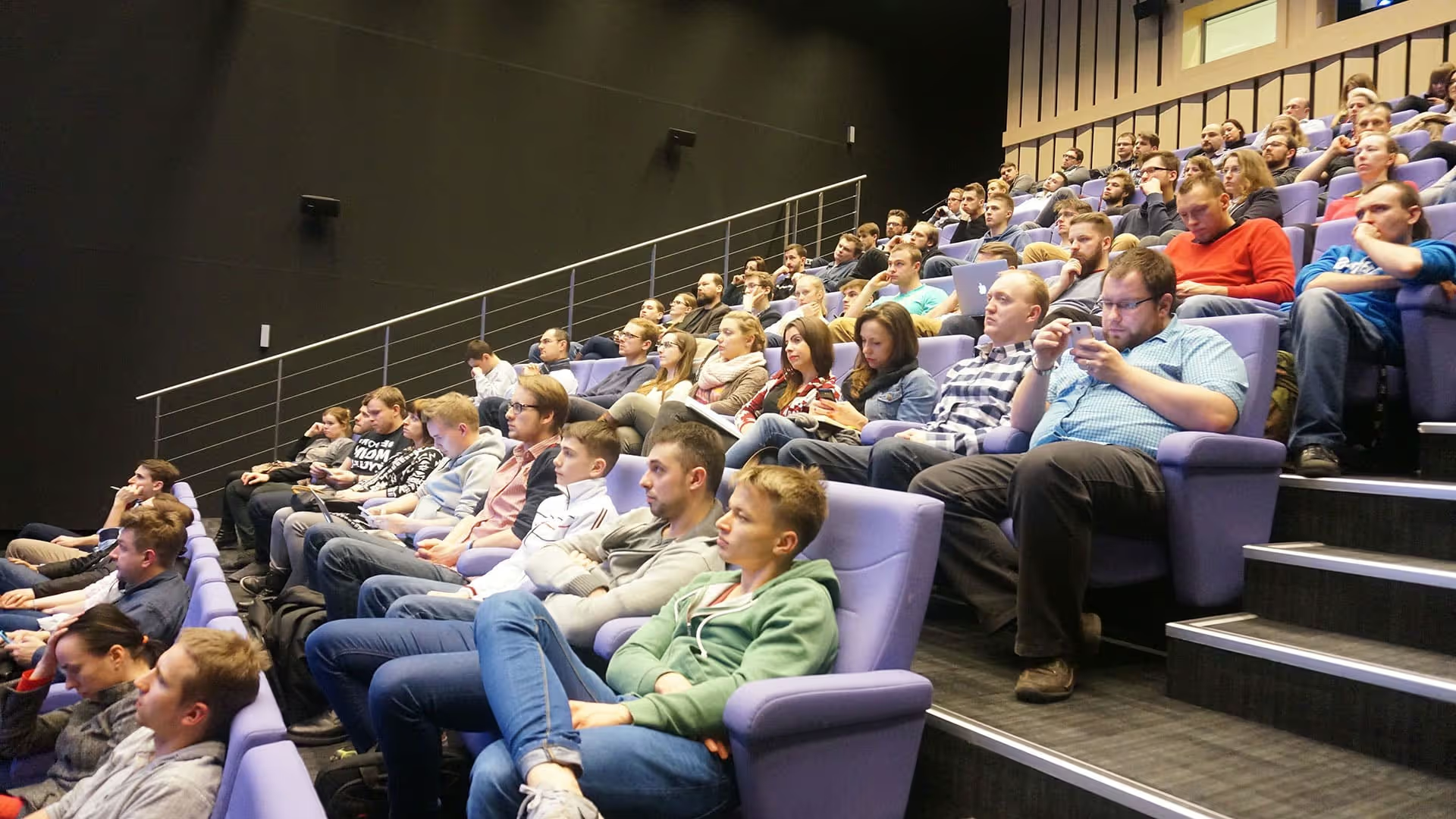
WordUp Trójmiasto #17 in Gdynia, 8 October 2022: venue, programme, speakers and talks, plus how the meetup fits the history of WordPress events in Tricity.
Practical guide to modern technical WordPress SEO in 2026: Semantic HTML, JSON-LD Knowledge Graphs, INP optimization, crawling budgets, and clean canonical architectures.
Stop losing leads. Learn how to build secure, high-conversion contact forms in WordPress. Comparison of CF7, Gravity Forms, and Headless Forms. GDPR compliance included.
Master WordPress contact forms in 2026. Complete comparison of form builders, SMTP configuration, anti-spam strategies, GDPR compliance, CRM integrations, and conversion optimization techniques.
Technical notes on driving traffic and increasing webinar registrations - on-site optimization, external actions, and publication strategies.
Stop writing messy if-statements. Learn the difference between in_category and has_term, how to handle recursive child categories efficiently, and optimize your conditional tags.
WordPress 4.9 Tipton was the last major release before Gutenberg. Here is what it changed, and why it still matters in hindsight.
Practical notes on WP_Query: when get_posts beats new WP_Query, why meta_query on unindexed keys collapses at scale, and how to paginate custom loops without hitting 404s.
WordPress 4.9 was "the calm before the storm." We analyze this pivotal moment in WP history that prepared the ground for the block editor. What changed since? How did the ecosystem evolve?
WordPress is not just a CMS; it is an application framework. Learn how to master the REST API, authenticate with Application Passwords or JWT and build custom routes.
Master WordPress media library management. Learn how to disable attachment pages, optimize images for Core Web Vitals, and implement lazy loading for better performance.

What an auxiliary SEO link network is, how search history classified link types, and how Google link spam policies, SpamBrain, and rel attributes evaluate them today.
AMP is dead as an SEO tactic: Google ranks AMP like any page, Top Stories dropped the requirement in 2021 and Search skips the AMP cache since July 2026.
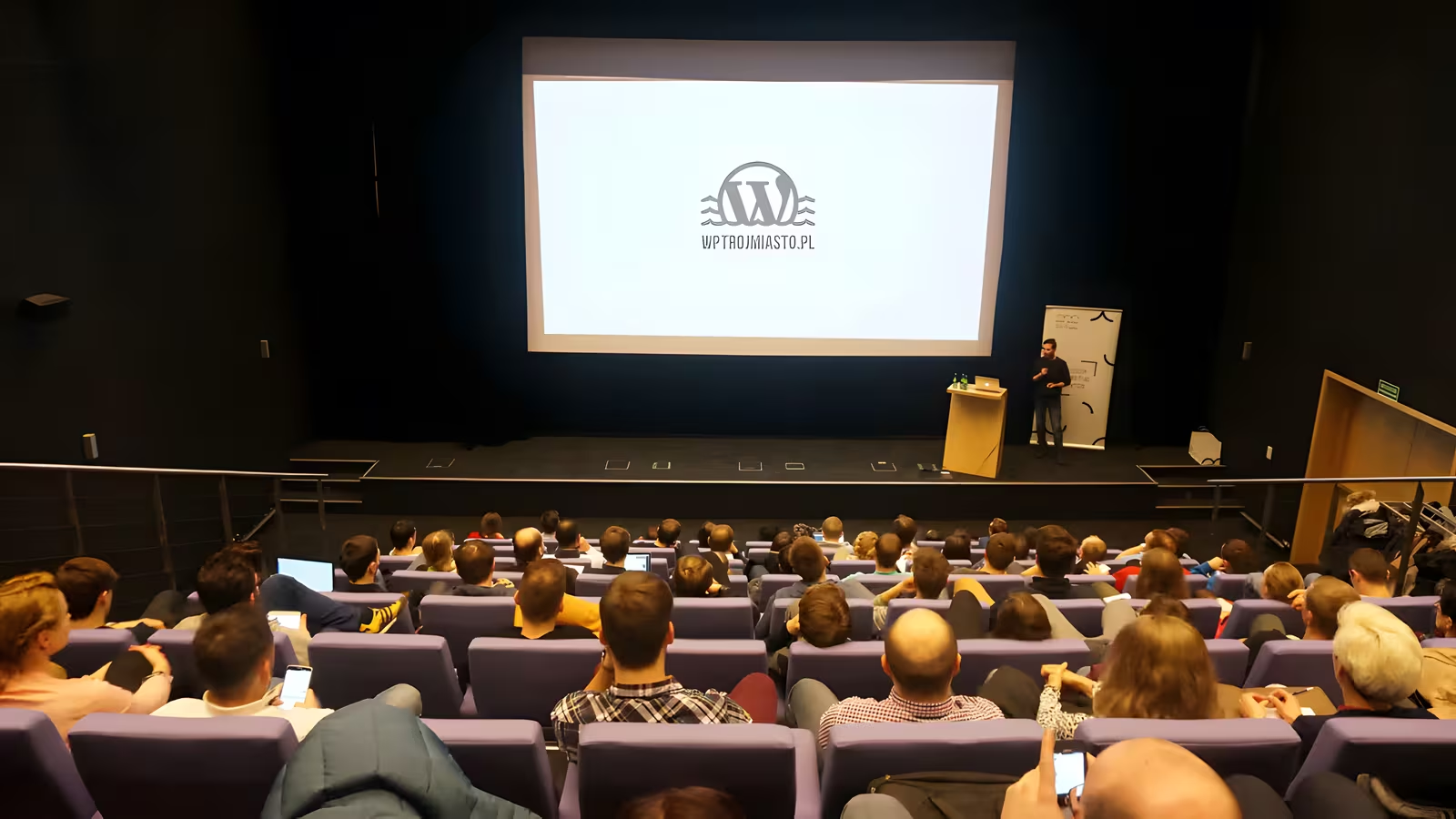
Slides and summary from my presentation about Google AMP at WordUp Trojmiasto. Is AMP still relevant in 2026? Pros and cons covered.
Learn how to reduce fake bot traffic in WordPress analytics with server rules, log review, and safer filtering practices.

Comprehensive tutorial on connecting an Android phone to Total Commander on Windows via USB (MTP, ADB) and wireless Wi-Fi (FTP, SFTP, WebDAV).
Remote work is lonely. Discover how joining your local WordPress Meetup (WordUp) can accelerate your career, prevent burnout, and land you premium clients.
What the WordPress roadmap has actually shipped by September 2026: Notes in 6.9, admin design tokens in 7.1, the Abilities API, and the parts still unbuilt.
Learn how to check if a WordPress post belongs to a taxonomy term using has_term, is_object_in_term, get_the_terms, and cache-friendly hierarchy patterns.
Blogging is not dead. In the AI era, an authentic human voice is more valuable than ever. See how to build a personal brand on WP.
Compare the best WordPress plugins in 2026 for security, SEO, cache, backups, and image optimisation, with practical advice on what to install and what to avoid.

A practical 2026 WordPress developer setup: wp-env local stacks, @wordpress/scripts linting, safe debugging, and block tooling without the five-minute-install myth.

Slow loading site? Here's the optimization roadmap: Database, HTTP/3, Cache and Script Defer. Speed up your service effectively.
Master the WordPress admin panel like a pro. Complete dashboard walkthrough, customization techniques, user role capabilities, and client-proofing strategies.
Technical guide to WordPress migrations and Multisite network architecture. Handling serialized PHP data, WP-CLI search-replace, database schemas, and zero-downtime cutover.
Comprehensive WordPress admin guide. Learn how to secure your site without plugins, configure Google Search Console and speed up loading.
A complete WordPress post-installation checklist. 50 steps covering security, performance, SEO and backups. A professional setup from day one.
A developer's guide to changing a WordPress domain. Covers PHP serialization, WP-CLI search-replace, server redirects, and SEO migrations.
Learn how search engines evaluate outgoing links. Covers PageRank math, semantic relevance, link audits, and technical attributes.

Customize the WordPress dashboard to deliver a streamlined client experience. Learn menu modifications, custom widgets, and security hardening.
Images make up the bulk of webpage weight. Learn how to optimize WordPress media: AVIF support, custom dimensions, lazy loading, and object storage.

Learn how to query, display, and scale WordPress custom fields. Covers get_post_meta, Gutenberg Block Bindings, custom DB tables, and REST API.
Learn how to integrate Google Maps in WordPress programmatically. Optimize performance, secure API keys, and satisfy GDPR compliance requirements.

Master Apache mod_rewrite with this comprehensive guide. Learn 301 vs 302 redirects, fix redirect loops, optimize performance, and implement secure URL redirections for WordPress.

Discover the best free vector avatars, icon libraries, and implementation tools for modern web design in 2026. Learn how to secure SVG uploads in WordPress.
A practical WordPress snippet for adding parent and ancestor page slugs to body_class(), so you can target site sections with cleaner CSS.
A practical ACF repeater tutorial showing how to style even, odd, or every third row with PHP modulo logic or modern CSS nth-child selectors.
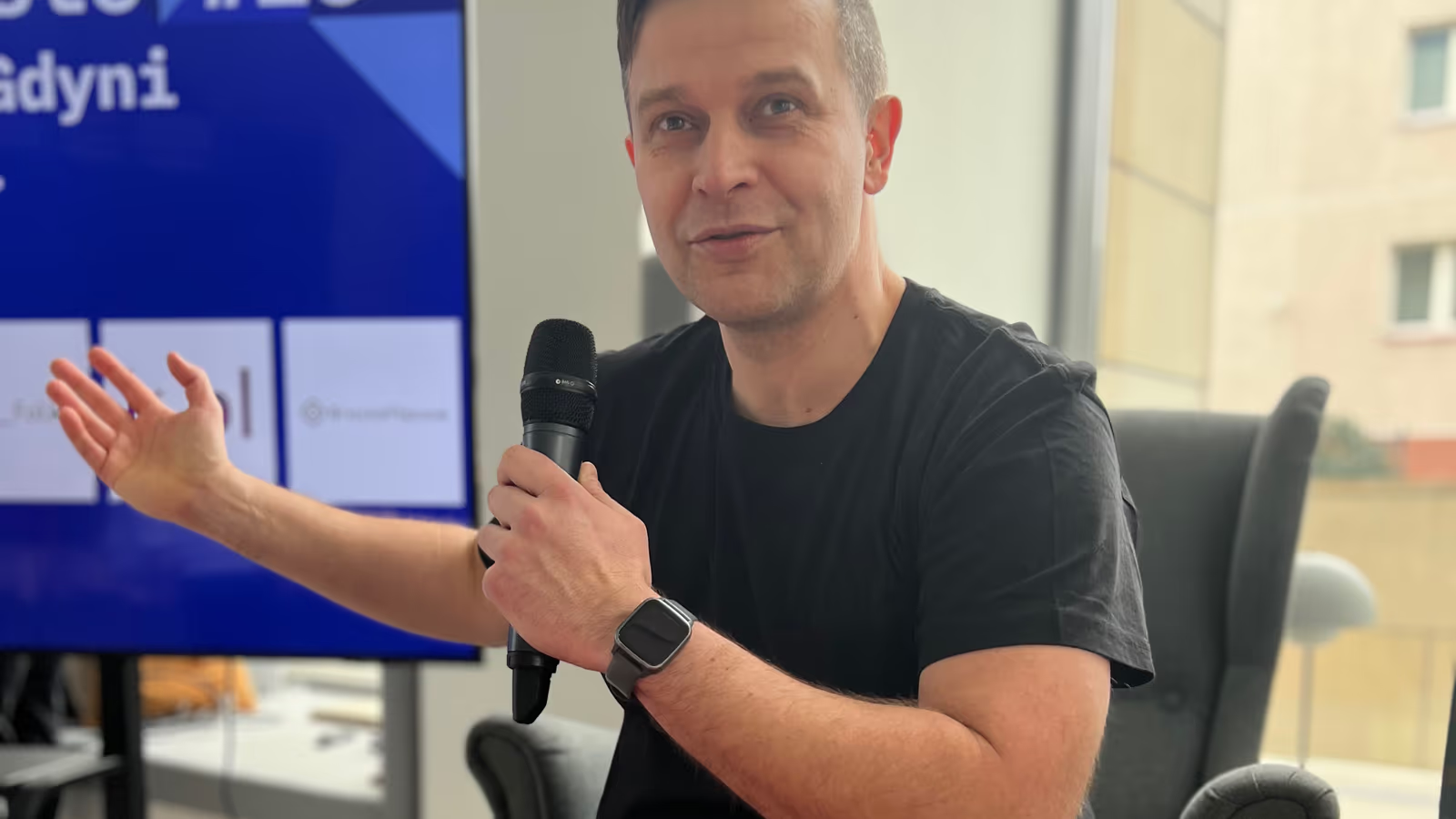
Want to build a local tech community? Learn from 12 years of organizing WordUp. Venue strategies, sponsorship decks, speaker curation, and avoiding burnout.
Learn how to fade an image or button on hover with pure CSS. Includes simple transition examples, timing tips, and a smooth fade effect without JavaScript.
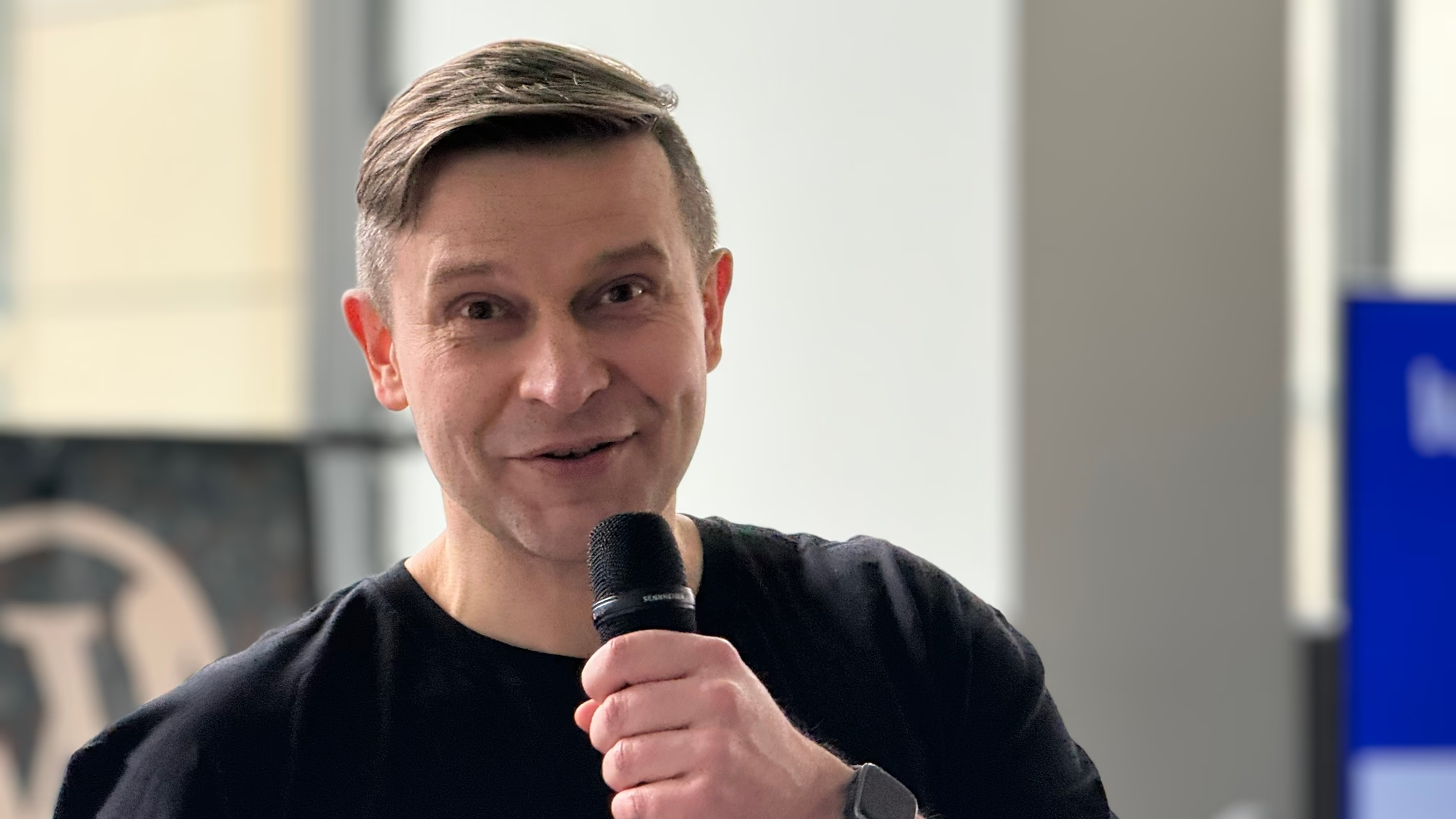
Hide the WordPress admin bar for subscribers, customers, and other non-admin users with a simple PHP snippet for cleaner frontend UX.

Image dimension warnings in PageSpeed Insights are one of the leading causes of Cumulative Layout Shift (CLS). Learn how to fix them for WordPress.

Recover access to an Excel sheet with forgotten Protect Sheet protection via VBA PasswordBreaker. Sheet protection is not file encryption - read the difference and the limits.

Export WordPress posts, users, and WooCommerce data to CSV or Excel using PHP, WP-CLI, and the REST API without turning the job into a manual spreadsheet task.
RSS in WordPress is still a content API. Default feeds, add_feed, caching, safe disabling, author enumeration, podcasts and JSON Feed without heavy plugins.
What happens when your site suddenly gets 100x traffic? A post-mortem of a server crash, PHP limits, and how Varnish saved the day.

Link building is dead. Discover the new era of Off-Page SEO: Digital PR, Brand Mentions, E-E-A-T signals, and why buying links will get you penalized.
Did your shop go down on Black Friday? Learn what PHP workers are, why Redis matters and how to configure Varnish or Nginx FastCGI cache for a traffic spike.

Stop giving every user Administrator access. Learn how WordPress roles and capabilities really work, and how to design safer permissions.

Stop chasing high-competition keywords. Learn how to use Programmatic SEO to generate thousands of high-value pages and build Topical Authority.
Updated image dimensions for sharing on Facebook, X, and Pinterest in 2026, with Google+ as historical context and Open Graph implementation in WordPress.
Need to see which plugin or theme hooked into the_content or wp_head? This snippet lists all callbacks attached to a WordPress hook.

PageSpeed Insights says: 'Eliminate render-blocking resources'. What does it mean? How to use async, defer attributes and Critical CSS.
White-label your WordPress login screen. Change the logo, customize CSS, disable the "Shake" effect, and harden error messages for security.
What the Google Indexing API officially covers, how to debug Page indexing reasons in Search Console, and how to submit and monitor XML sitemaps through the Search Console API.

Where widgets went in modern WordPress: classic widget areas, block-based widgets since 5.8, and how block themes handle sidebars and footers in the Site Editor.
How is the WordPress admin dashboard built? Explore the wp-admin file structure, callback templates, and the hooks that control the back end.
Does building your own PBN still make sense? How to safely build links in the era of Google AI algorithms.
Need to show the category hierarchy in your theme? Learn how to get the current category and its parent using get_the_category() and get_category_parents().
Complete guide to safely updating URLs when migrating WordPress. Learn about serialized data handling, WP-CLI commands, plugin methods, and avoid breaking your site with proper search-replace techniques.
Need to get the URL of the first image or link in an article? Prefer DOMDocument over regex. Ready-made WordPress PHP for developers.

Trace WordPress mail through application events, authenticated transport, sender alignment, delivery logs and controlled workflow tests.
Stop writing slow loops. Master `tax_query` with complex relations (AND/OR), speed up queries with `no_found_rows` and filter Custom Post Types like a professional.
Saying "I know PHP" is not enough. Learn how to build a portfolio from case studies that show how you think and which problems you solve, and how to run it in WordPress with a custom post type and ACF.
Comprehensive guide to link building monitoring: comparing Ahrefs, SEMrush, Moz and Majestic, alert configurations, competitor gap analysis, toxic backlink audits, disavow workflows, and Google Search Console data.

Have a small local site? Don't fight Onet or Wikipedia for generic phrases. Learn the Long Tail and Topical Authority strategy.

WordPress displays its version by default, inviting hackers. Learn how to remove the generator tag, asset versions, and implement Security Headers (HSTS, CSP).
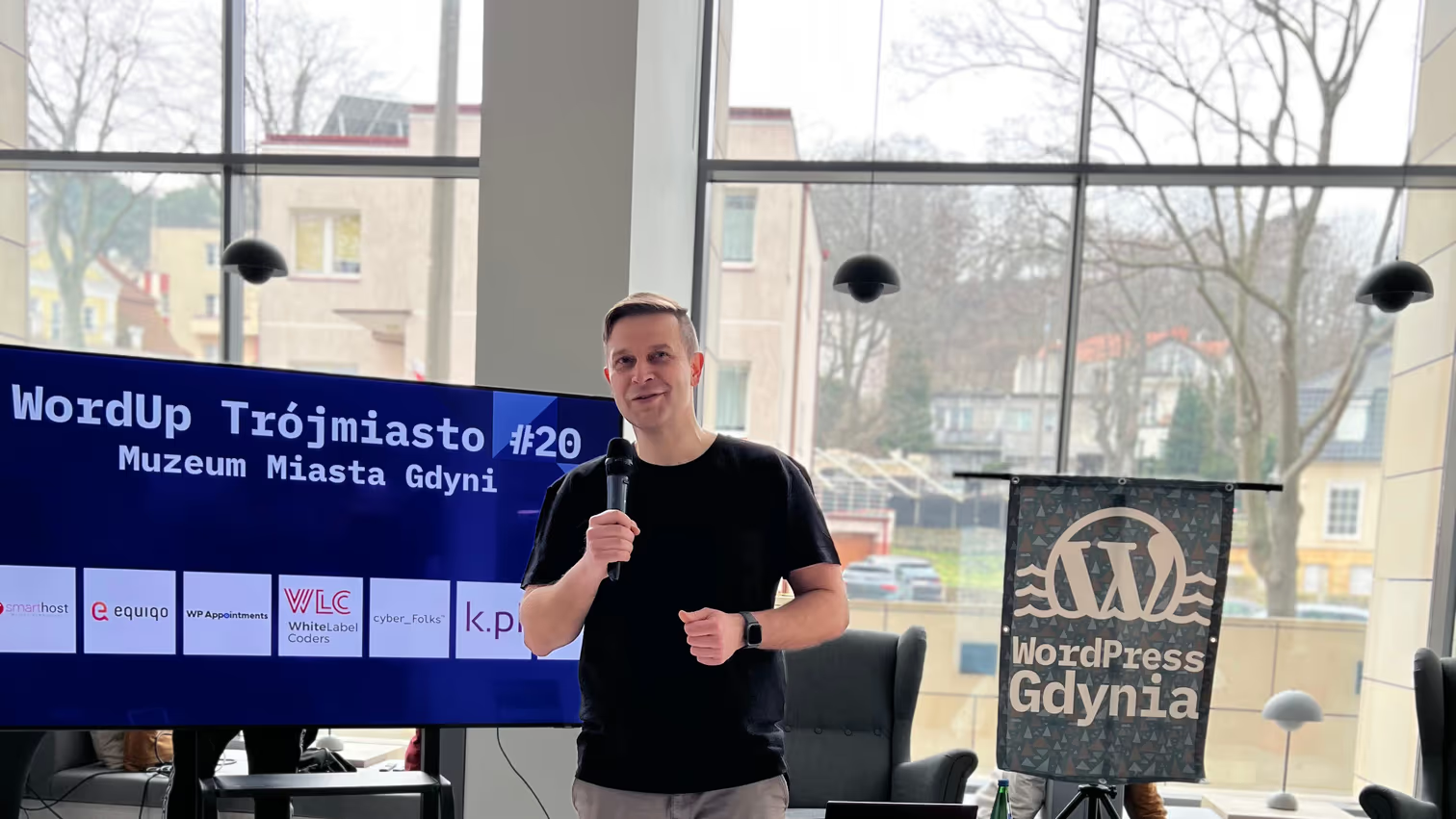
Still using "admin"? You are being hacked right now. The definitive guide to securing WordPress authentication: 2FA, Passkeys, Fail2Ban, Cloudflare Turnstile, login monitoring, and incident response procedures.

TimThumb is a security relic. Replace it with core image sizes, srcset, and CDN transforms using native WordPress media handling.
A complete guide to link building through partner programs. Affiliate strategies, sponsored content guidelines, regulatory requirements, program management and case studies.

How to properly import and display video in WordPress? Why don't .mov files from After Effects work? Guide to codecs and compression for the web.
Compare WordPress block themes and classic themes in 2026. See when FSE makes sense, when classic PHP themes still win, and how theme.json changes theme development.
Building auxiliary SEO networks in 2026? Modern search evaluation models like SpamBrain penalize footprint patterns. Avoid these 7 link building pitfalls.

WordPress injects unnecessary code into the head area: wlwmanifest, RSD, emoji polyfills, and feed links. Learn how to remove legacy tags and speed up your site.

Don't depend on plugins for link cloaking. Learn how to manage affiliate links with `rel='sponsored'`, native redirects, and performance tracking.
Scared of the terminal? Don't be. Learn du, grep, tar, tail, and find to speed up your workflow compared to FTP.
Video backgrounds destroy web performance when implemented incorrectly. Learn how to leverage IntersectionObserver, video facades, and precise player parameters to keep Core Web Vitals green.
Master video background performance in 2026. Learn video format optimization, hosting strategies, lazy loading, accessibility, and Core Web Vitals compliance for fast hero videos.
Old methods (ua.js) no longer work. How to correctly add GA4 tracking in WordPress? Plugin, GTM, or code? Plus Consent Mode v2 and Server-Side Tracking.

WordPress adds a lot of junk to the HEAD section: rsd, emoji, generator, feed links. How to remove them to speed up your site?
The "ping list" used to be the secret to fast indexing. Today Google relies on the Indexing API and XML sitemaps. Why did pinging fall out of use?

Fixing error 29 in Total Commander: diagnosing PORT vs PASV mode, configuring the firewall and NAT router, and moving safely to SFTP and CI/CD.
Still editing files via FileZilla? It's time to stop. Learn how to deploy WordPress using SSH keys, Git, and atomic deployment strategies in 2026.
How to retrieve and display a list of posts from a specific category in WordPress? Learn WP_Query, get_posts and custom loops. Code examples and optimization.
Quick PHP snippet: How to display just the category name without the anchor tag (link)? Explanation of get_the_category() and separators.

Compare Rank Math, Yoast SEO, All in One SEO, SEOPress and The SEO Framework to choose the best WordPress SEO plugin in 2026 for performance, features, and real-world SEO workflows.
Automated bulk submission is quickly detected by search engine crawlers, which makes the technique ineffective. How to build legitimate links through quality directories, NAP citations and local listings.
Complete guide to Google penalties in 2026. Understand SpamBrain AI detection, link spam updates, PBN identification methods, paid link penalties, the manual action recovery process, and how to protect your site from algorithmic demotions.

How to track backlink growth, quality, referral traffic and risk signals so link building stays measurable and recoverable in 2026.
Comprehensive technical guide on backlink taxonomy, link equity mechanics, rel attributes (dofollow, nofollow, sponsored, ugc), and toxicity risk evaluation.
Master backlink quality assessment in 2026. Learn to evaluate DA/DR metrics, measure topical relevance, analyze anchor text diversity, identify toxic links, and implement disavow strategies that protect your search rankings.
Master business directory submissions for local SEO in 2026. Covers Google Business Profile optimization, Yelp, Clutch, DesignRush, niche directories, citation consistency, NAP accuracy, and local ranking strategies.

The definitive link building guide for 2026. Master topical authority link building, digital PR, content marketing, guest posting, broken link building, resource pages, and HARO strategies that earn sustainable backlinks.
The definitive guide to social signals and SEO in 2026. Learn how social media impacts rankings through brand signals, content amplification, social proof for E-E-A-T, and cross-platform visibility strategies.
Why link exchange, link buying, and link schemes fail in 2026: Google's SpamBrain, manual actions, modelled penalty scenarios, and white-hat alternatives including content-driven link acquisition, digital PR, and topical authority.
How to earn editorial backlinks through digital PR without breaking Google's link spam policies. Covers journalist outreach, HARO after Connectively, original research, expert commentary, newsjacking, press releases, rel=sponsored for paid placements and how to measure PR links.

A link network (PBN) proposal prepared in 2009 for Mebelskol, a company that furnishes schools and offices, described point by point and assessed against Google's current policies on link spam, doorway pages and expired domains.
Practitioner notes on link building in 2026: which link types still work, which ones risk a penalty, realistic outreach conversion rates, and how to read Ahrefs and Majestic numbers without fooling yourself.
From our original 2008 list of free CMS systems to the 2026 landscape. A comprehensive comparison of WordPress, Drupal, Joomla, Ghost, Strapi, Payload, Directus, Sanity, Contentful, and Astro - covering market share, headless capabilities, developer experience, and real-world use cases.
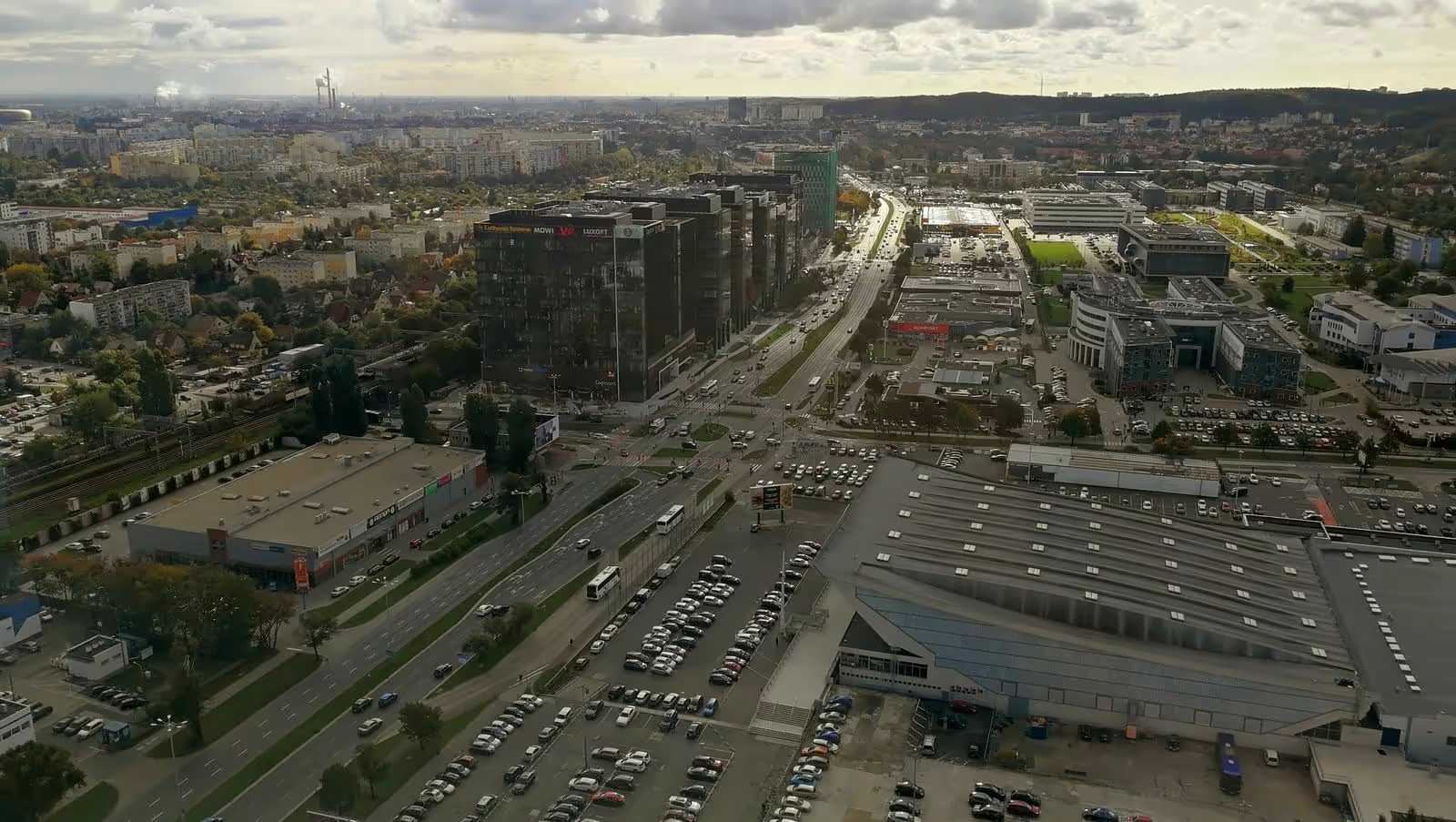
Back to 2008: how people learned Photoshop from blog tutorials, a review of the Noupe list of 13 advanced tutorials, and how design techniques changed in the AI era.

Why is 8-bit style coming back? Free retro icon set and reflections on nostalgia in web design.
From $.click() to addEventListener, from $.ajax() to fetch(). A comprehensive technical guide for WordPress developers migrating from jQuery to modern vanilla JavaScript (ES2024+), including Web Components, performance benchmarks, and migration strategies.

Internal and external SEO link network strategies in 2026: crawler optimization, canonicalization, XML sitemaps, breadcrumb hierarchy, and Google link spam policy evaluation.
A complete guide to social media strategy for WordPress sites. Learn platform optimization, social signals, content syndication and automation for maximum reach.
This section routes users and crawlers into the service pages and topic archives that carry the strongest WordPress, SEO, and performance clusters.
Architecture, implementation, and stable long-term WordPress delivery.
Stores, checkout logic, schema, and readiness for AI shopping agents.
Visibility in Google and AI answer systems, supported by stronger content architecture.
Core Web Vitals, hardening, and fewer production risks across the stack.
AI citation readiness on WordPress, WooCommerce B2B modernization, and operational resilience for EU vendor workflows. Use these national guides before narrowing scope to a single city.